What You Will See On A Navua River Tubing Day
Photos sell this trip better than any description, but most of what you will see sits far up a river you cannot reach on your own. Here is the day in the operator's own order, what each stage looks like, and how to come home with pictures.
Short answer
A Navua River tubing day runs from hotel pickup through a longboat ride upriver past waterfalls, a guided Fijian village visit when river levels allow, a waterfall swim, a riverside lunch and a float down gentle rapids. River Tubing Fiji is rated 4.8 across 181 reviews and costs from USD 120 per person.
Every tubing photo you have ever seen from Fiji's southern coast was taken somewhere you cannot walk to. The day starts at Navua town on the lower river and travels upriver by longboat to a waterfall roughly 12 km away, with the village a further 5 km on. What waits along that corridor is a specific, documented sequence of sights, unfolding in the operator's own order: pickup and briefing, the longboat ride, the village, the waterfall swim, lunch, and the float back down.
Is Pacific Harbour River Tubing worth a day of your Fiji trip? A photo walkthrough helps you decide. The details come from what the operator and Tourism Fiji actually publish rather than promised scenery: what depends on river level gets flagged, and you learn where the pictures you see online actually come from, including the photo package the operator sells so your own phone never has to get wet.
What Does A River Tubing Day Actually Look Like?
The day unfolds in six stages in the operator's fixed order: hotel pickup with a welcome briefing and gear, a longboat ride upriver past greenery and waterfalls, a guided Fijian village visit when river levels allow, a waterfall swim, a riverside Fijian-style lunch with vegetarian options on request, and finally tubing downriver through what the operator calls gentle rapids. Every published photo from this trip comes from one of those six stages, and nothing else is on the itinerary. There is no additional stop, no scenic detour and no evening component.
It is worth being precise about this because tubing photos circulate without context. A shot of a deep gorge might come from the upper Navua, which is whitewater rafting territory and a different trip entirely. A shot of a waterfall might be from a jet boat tour to what Tourism Fiji calls the Magic Waterfalls, also on the Navua but not this itinerary. When you are evaluating photos to decide whether to book, the only images that count are the ones tied to the six stages above.
The operator behind the main tubing day is a locally owned family business based at Raiwaqa Settlement, five minutes up from Navua town, whose founder tells a story of descent from an Englishman who lived in the Namosi Highlands in the 1800s. That family connection is the operator's own telling, not established history, but it explains something you will see in village photos: this company has run the same river corridor for years and pays a user fee to the native landowners for the village-life component of the day.
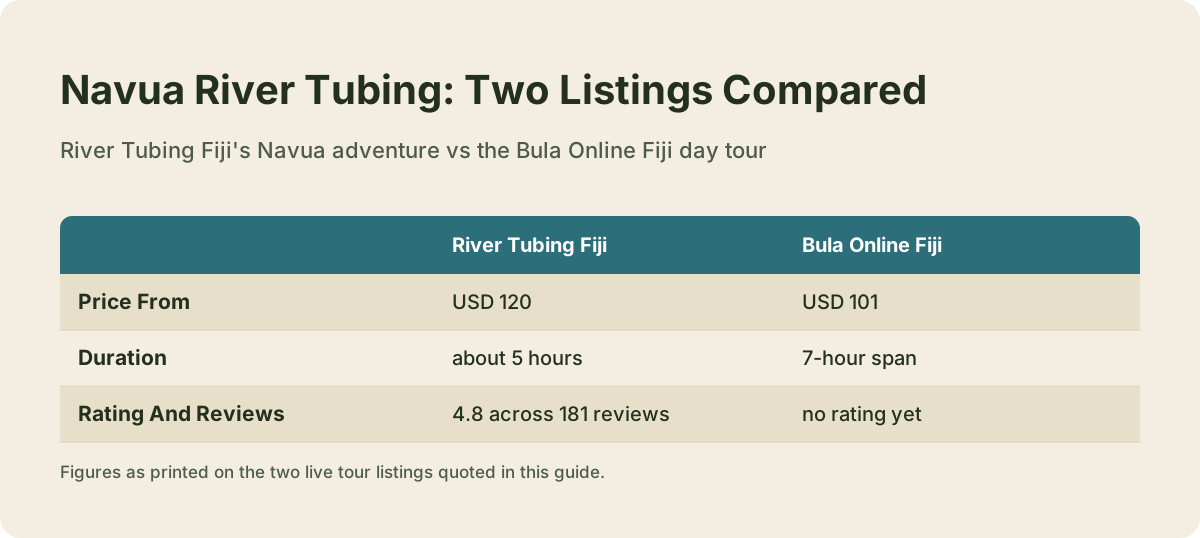
Two products cover this itinerary on the live listings. River Tubing Fiji's Navua adventure runs about 5 hours as a guided tour, rated 4.8 across 181 reviews, from USD 120 per person with pickups spanning Nadi, Denarau, the Coral Coast, Sigatoka, Pacific Harbour and Suva. A second option, the Navua River Tubing Day Tour from a provider named Bula Online Fiji Tours and Watersports, is a new 7-hour listing from USD 101 with no rating yet. The listings are separate and nothing official says the two providers are connected.
| Stage of the day | What you will see | Photo notes |
|---|---|---|
| Pickup and briefing | Van or bus transfer, welcome talk, life jackets and gear handed out | Good light for portraits of the group before anyone is wet |
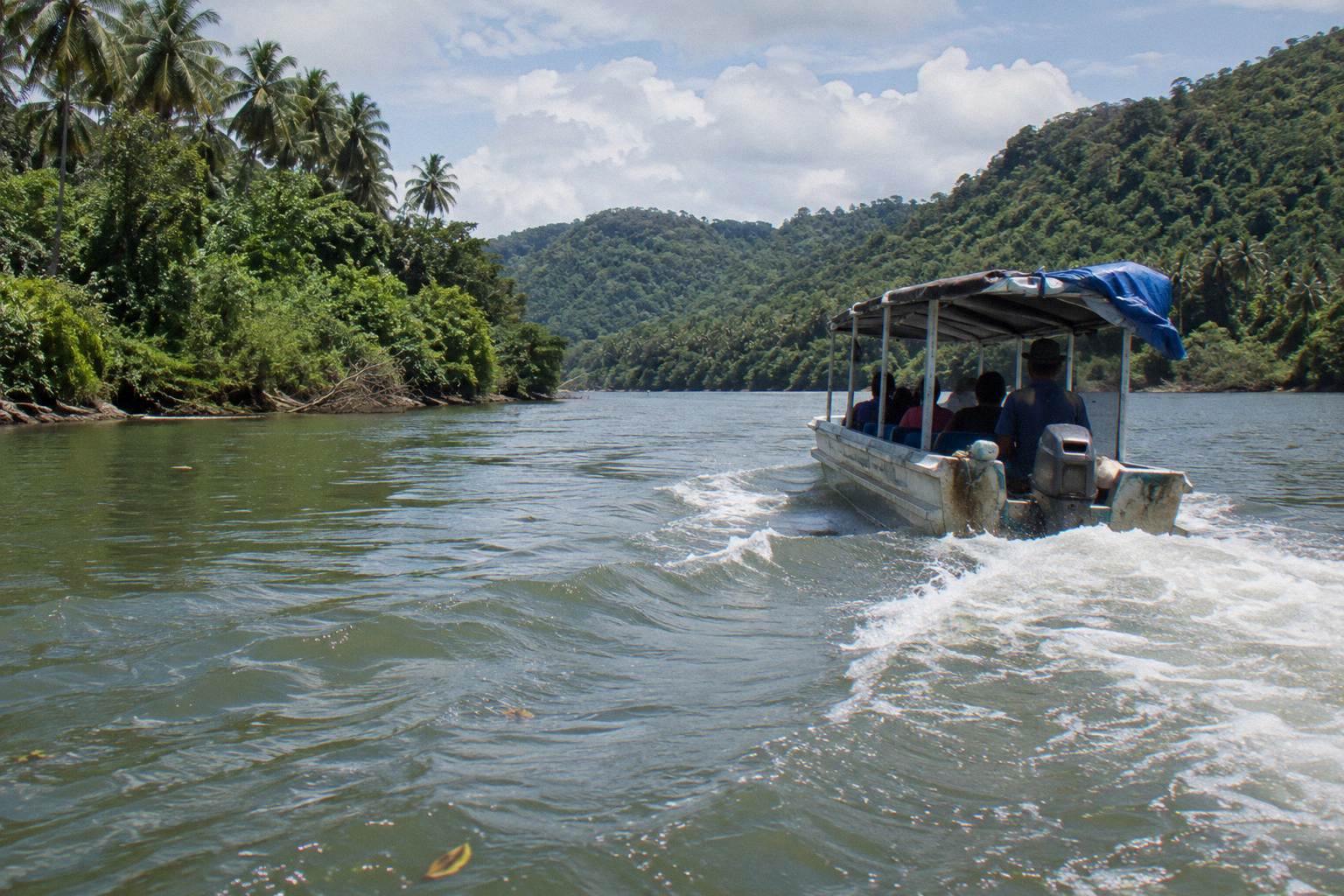
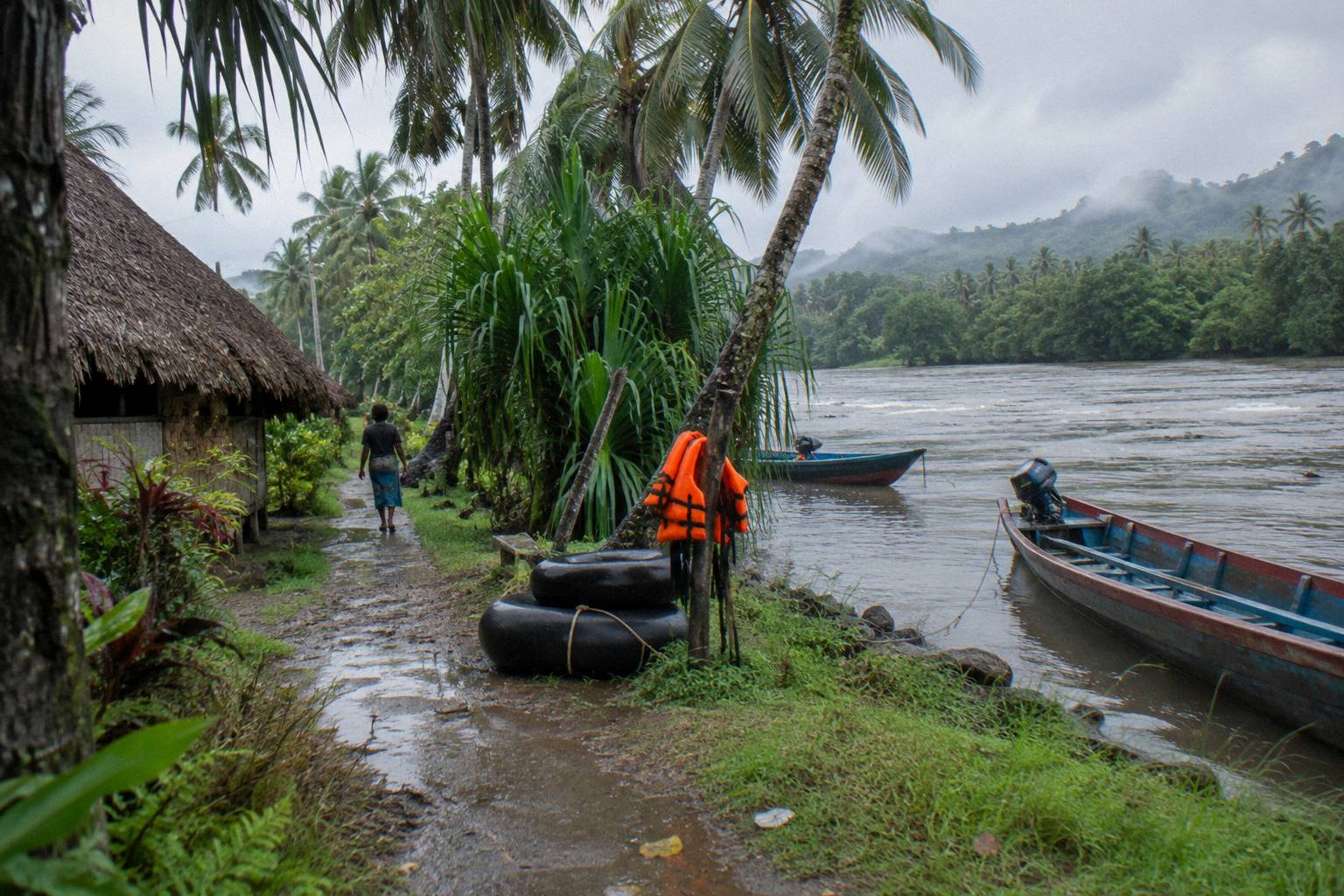
| Longboat upriver | River corridor, greenery, waterfalls on the banks, rainforest | The classic moving-boat shots; spray is likely |
| Village visit | Guided walk through a Fijian village on the river | Dress rules apply; ask before photographing people |
| Waterfall swim | A swimmable waterfall roughly 12 km upriver, unnamed in all official material | The hero shot of most listings |
| Riverside lunch | Fijian-style lunch served on the bank, vegetarian on request | Break in the action, safe spot for phones |
| The float | Tubing downriver through gentle rapids | The operator sells a photo package for exactly this reason |
What Does The Longboat Ride Up The Navua Look Like?
The longboat ride up the Navua is a journey through what Tourism Fiji describes as meandering rapids, passing cascading waterfalls, tropical rainforest and a deep gorge along the way. It is also the stage that produces the widest landscape photos of the entire day. The boat is flat-bottomed and open, the river winds as it climbs, and the forested walls frame nearly every shot you take from the bench. You will pass waterfalls on the banks well before you reach the one you swim at, so keep the camera ready from the first minute rather than waiting for the official stops.
For anyone weighing this trip against other pictures they have seen, the longboat stage is where the tubing day and the rafting day look most different. Tubing starts on the lower river at Navua; the Upper Navua Conservation Area, a Ramsar-listed gorge roughly 75 metres deep and 5 to 25 metres wide, sits upstream and is the rafting operators' territory. No official page says the tubing trip enters that gorge, so if a photo shows a slot canyon with rafts, it is not this day. If you want that specific landscape, the Upper Navua whitewater rafting trip is the one that goes there, from USD 212 per person. The distinction matters enough that we cover it in full in the river tubing versus rafting comparison.
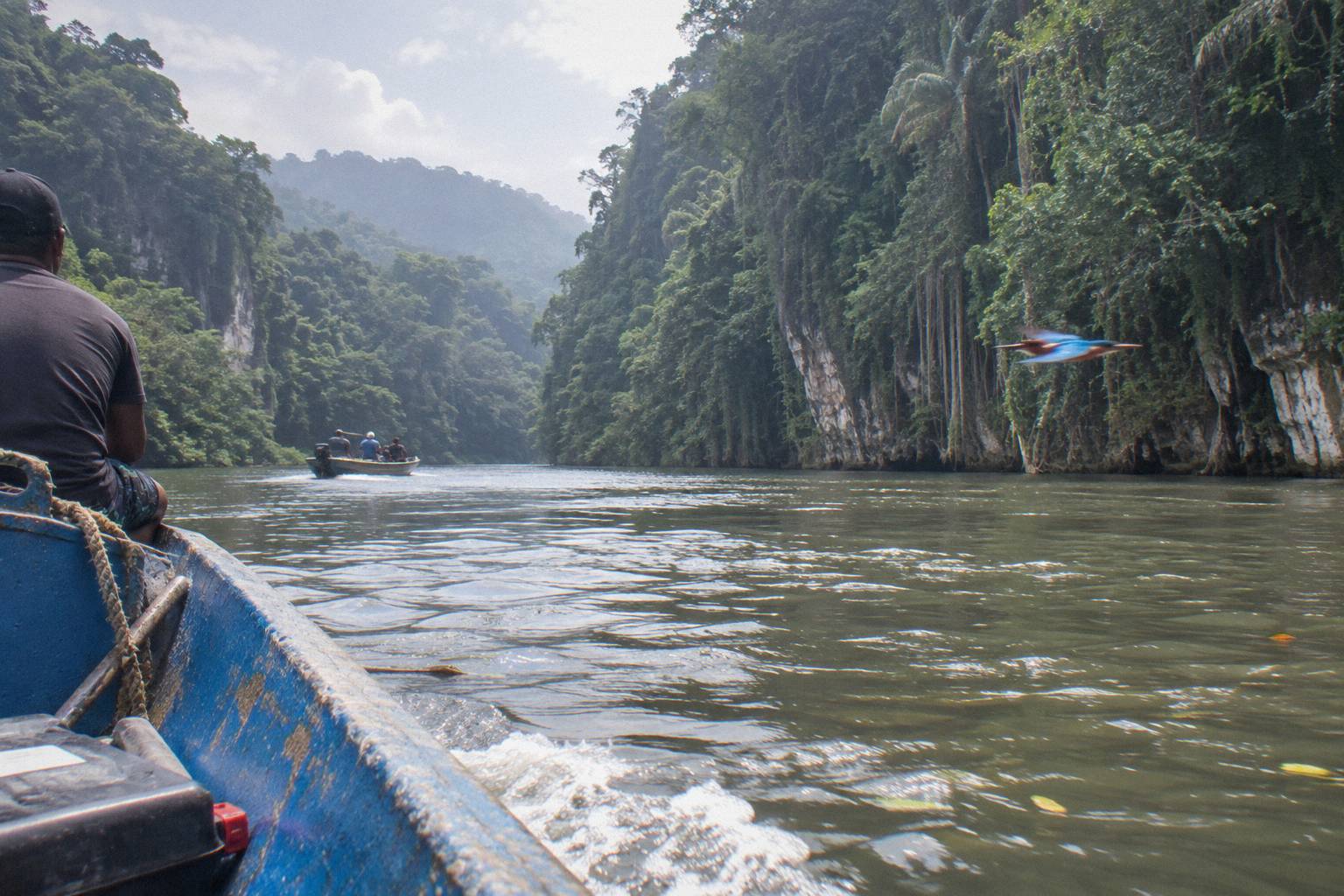
The numbers behind the scenery are fixed by an operator notice reproduced on the main booking page: the waterfall sits approximately 12 km upriver from Navua, and the village a further 5 km beyond it, roughly 17 km of river in all. That is the corridor every published photo comes from, and it is why the day feels like a journey rather than a single stop.
What Will You See At The Fijian Village?
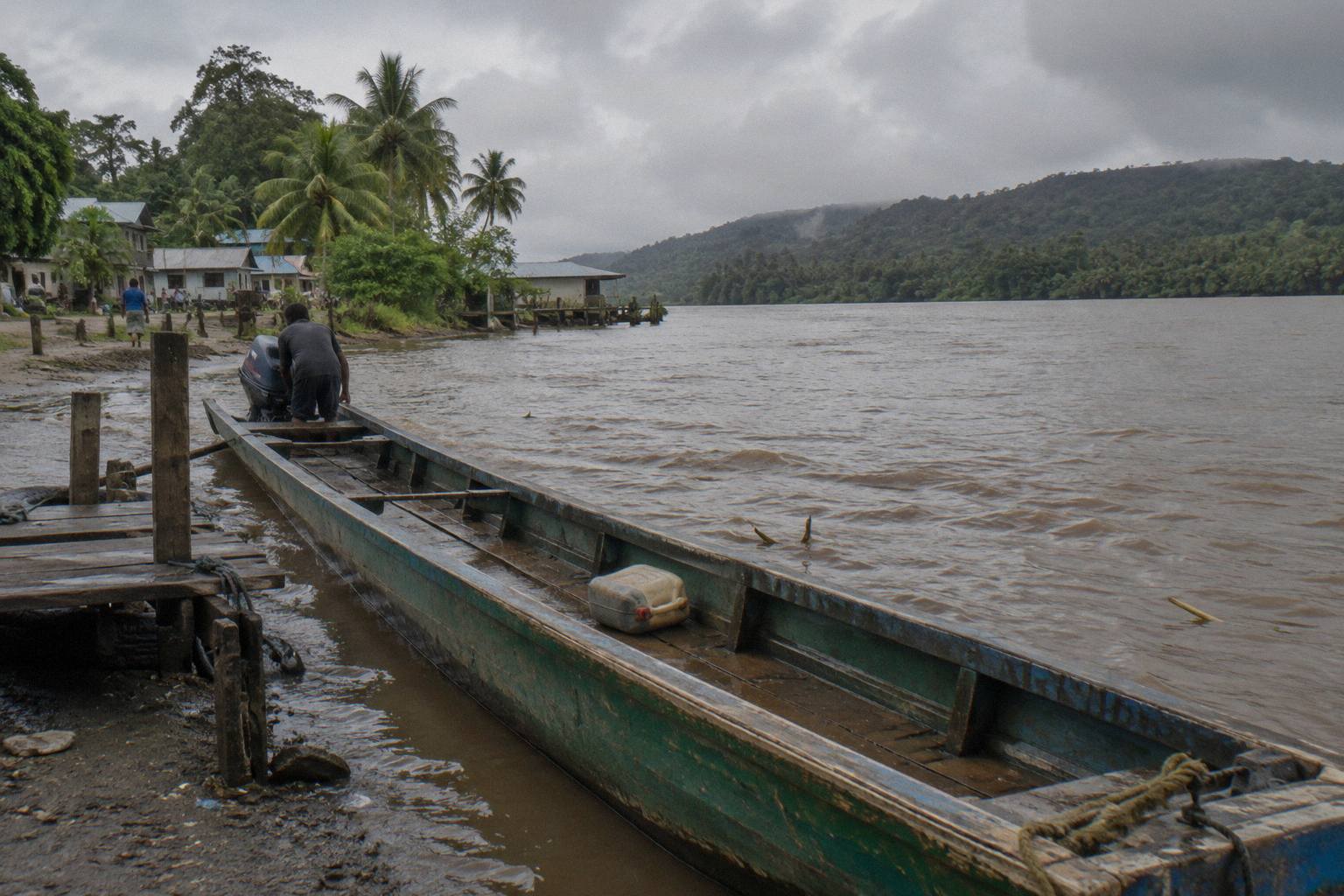
The village stage is a guided walk through a living Fijian village about 17 km up the Navua, and it is the part of the day that produces the cultural photos: houses, the river landing, and people going about ordinary village life. The operator pays a user fee to the native landowners for this component, which is worth knowing because it means the visit is an established arrangement, not a drop-in. Guides lead the walk and the stop is timed within the day rather than open-ended.
Two cautions apply before you point a camera here. First, the visit depends on the river: the operator's home page carries a live dry-spell notice stating the village visit is temporarily excluded when low water levels make the additional journey unsafe, with the route reassessed on the day if rain restores safe conditions. Never count on the village photos until you are on the boat. Second, dress and photography courtesy are both real. The operator's terms say ladies need to bring a skirt or sarong for the village visit, and the separate Bula Online day tour page states that hats, bare shoulders and bare knees are not permitted in the village, each rule belonging to its own trip.
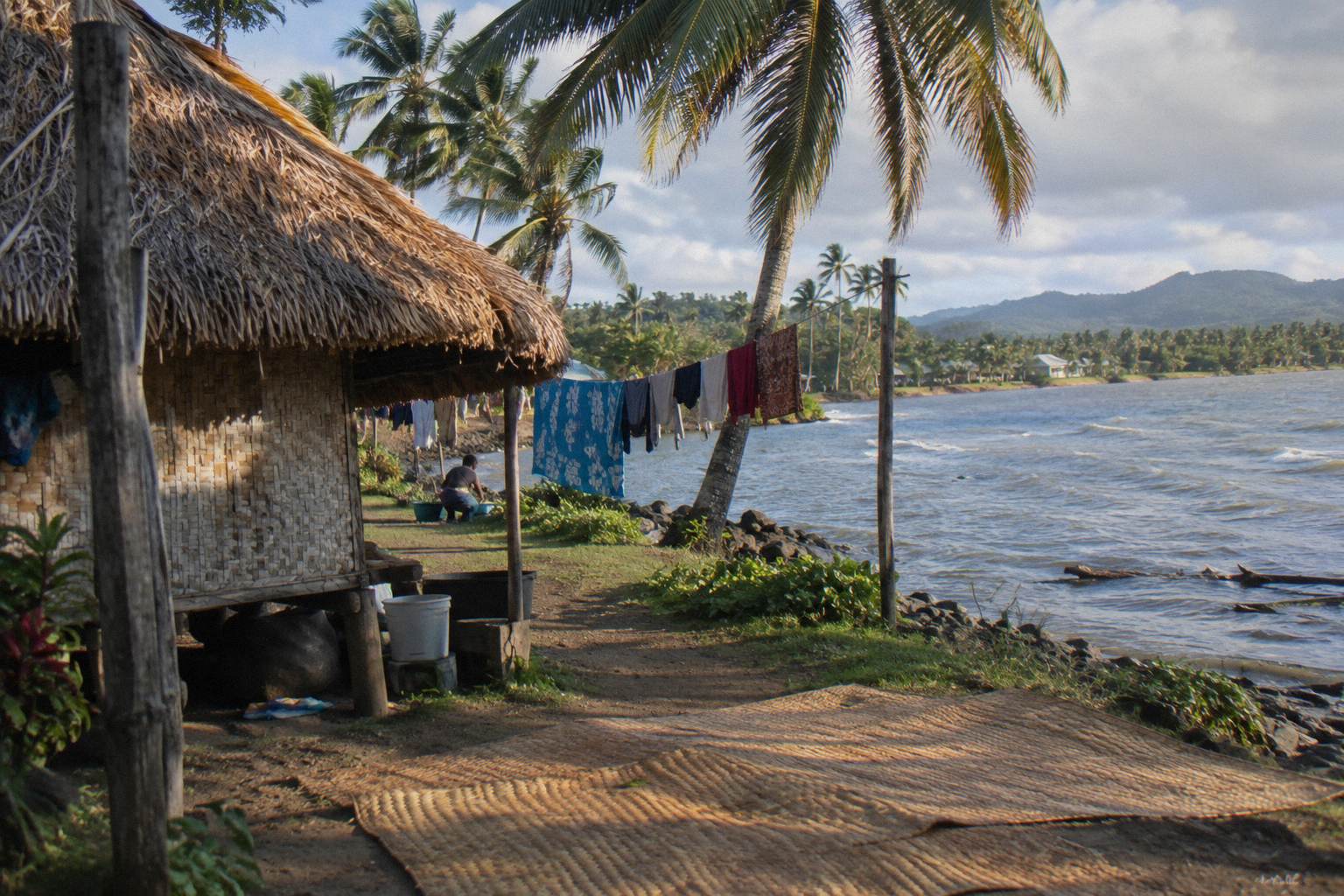
The practical photo advice for this stage is old-fashioned: ask first. Nothing in the operator's published terms addresses photographing villagers, and respectful asking costs nothing on a day when the same community hosts every departure. For the wider question of what clothing works across the whole day, from boat to village to swim, we cover it in what to wear and bring for river tubing.
For readers deciding between the two tubing listings, the village is also where they genuinely differ in framing: both include a village visit, but the Bula Online day tour describes a covered long boat, a buffet lunch and a 7-hour span from USD 101, while the River Tubing Fiji listing runs about 5 hours on the water from USD 120 with the deeper review history behind it.
What Does The Waterfall Swim Look Like?
The swim takes place at a swimmable fall roughly 12 km upriver, reached by longboat, where a freshwater pool sits at the base of the drop. This is the hero image of every listing, and the stop is built around that single concentrated subject: one waterfall, one pool, one clear focus. It is the one stage of the day designed entirely for photos, the picture most people book the trip hoping to bring home. Officially the waterfall is not named anywhere in the operator's or Tourism Fiji's material, so treat any name found elsewhere with real caution.
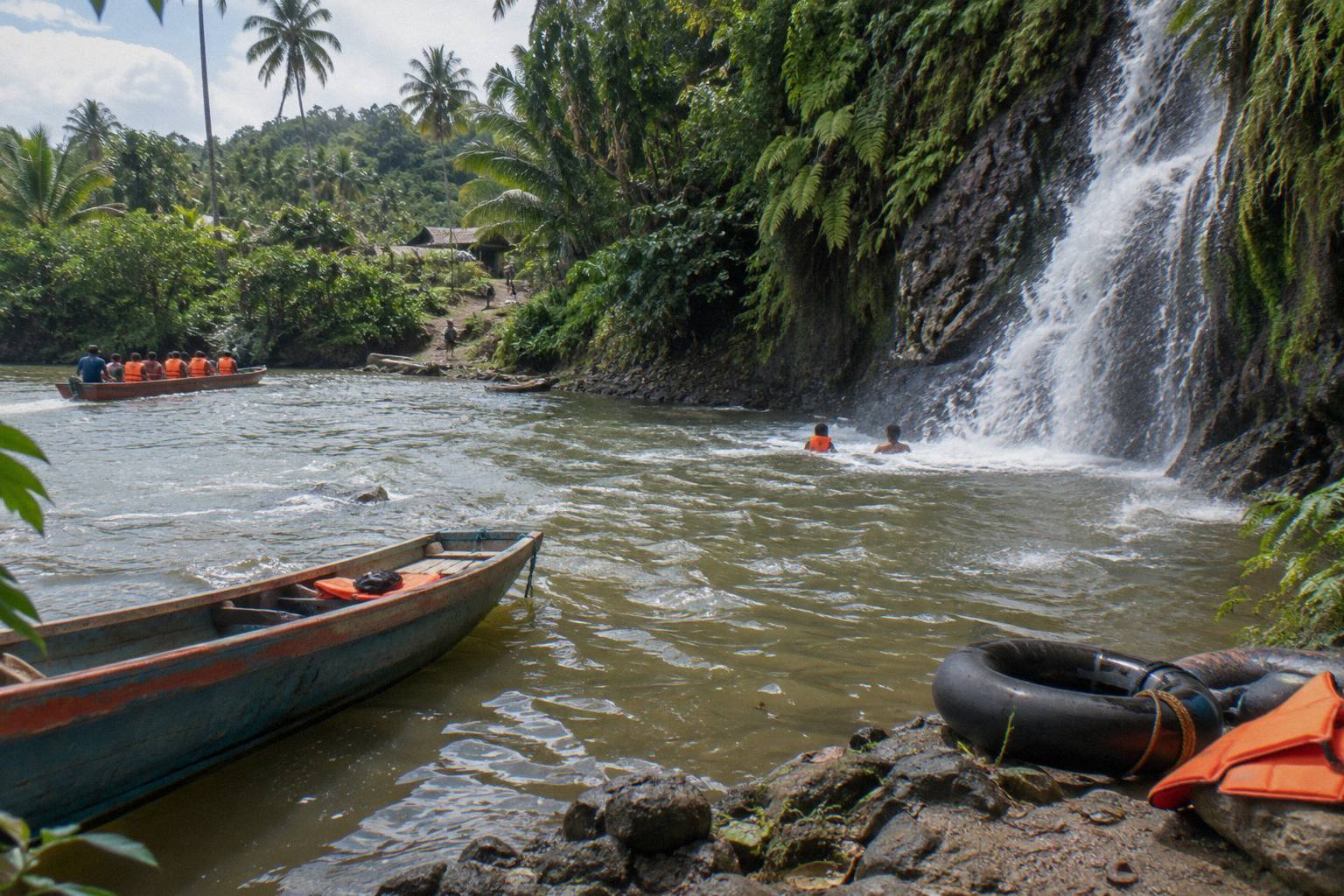
Because you swim here, this is the stage where your own camera is most at risk, and the only published answer to that problem is commercial: the operator sells a photo package, described on its gallery page as a package of pictures, so devices need not get wet. There is no stated policy on phones, cameras, jewellery, alcohol or tipping anywhere in the operator's terms; not stated, ask the operator. That single sentence covers every gear question official sources cannot answer.
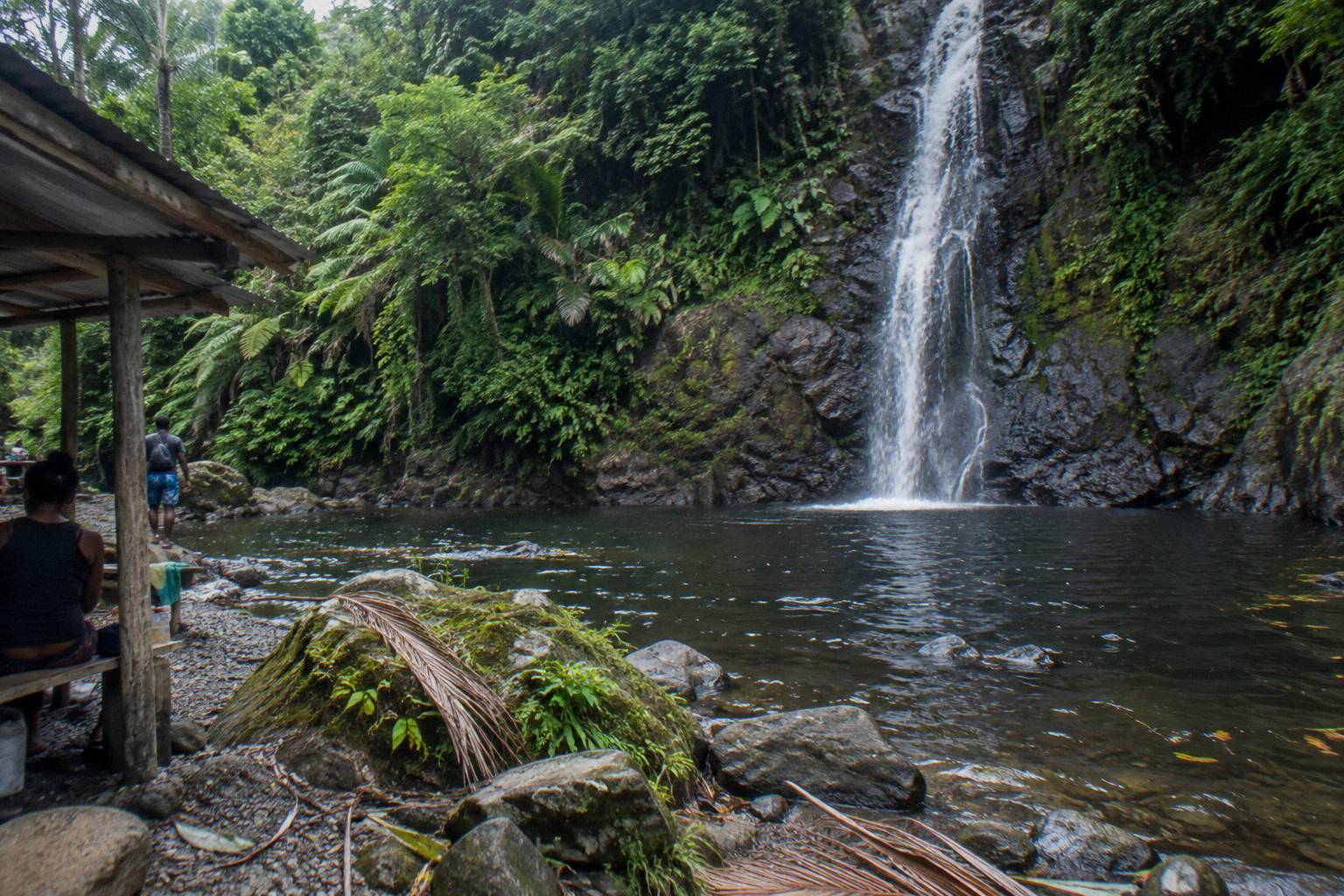
If your main reason for booking is this one swim, the alternative listing is worth a look: the Navua River Tubing Day Tour describes its waterfall stop as a swim in a freshwater pool as part of a longer 7-hour day, from USD 101 with no rating yet as a new activity.
What About Lunch And The Float Down?
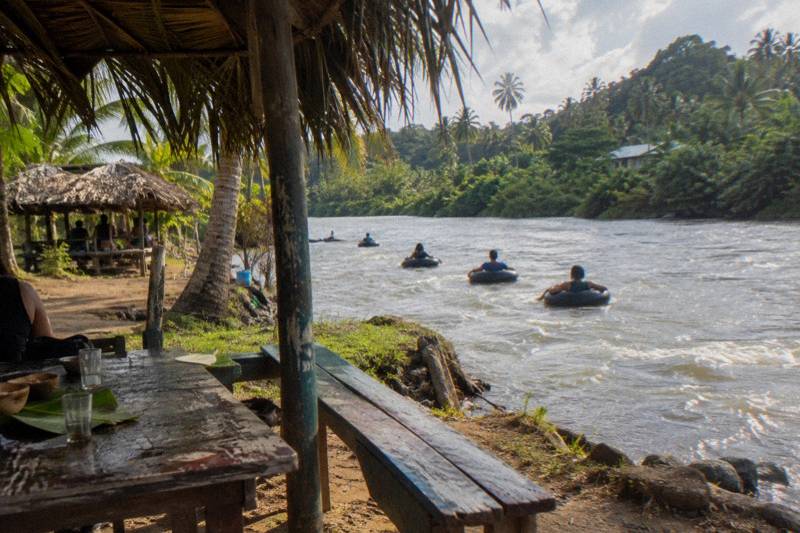
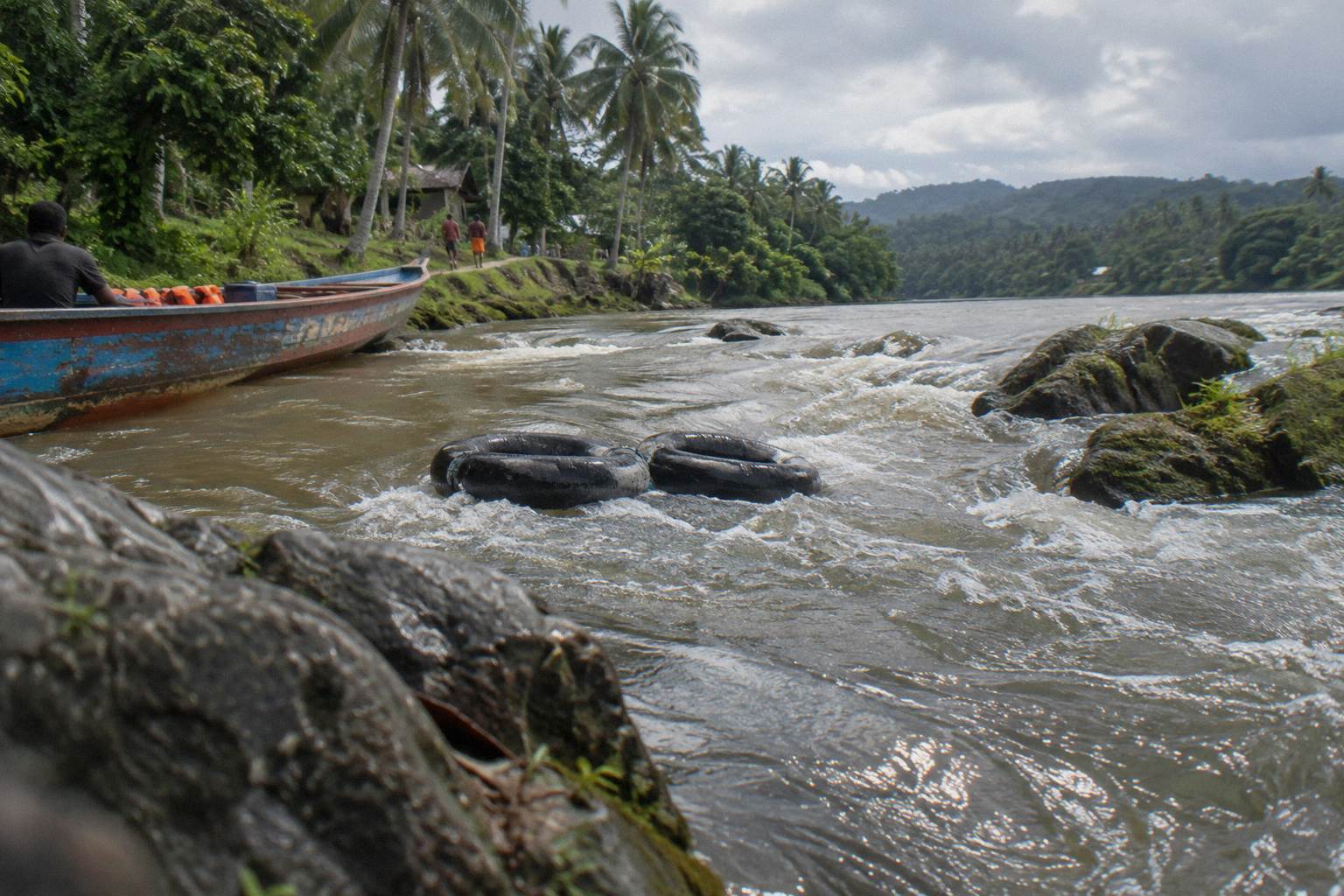
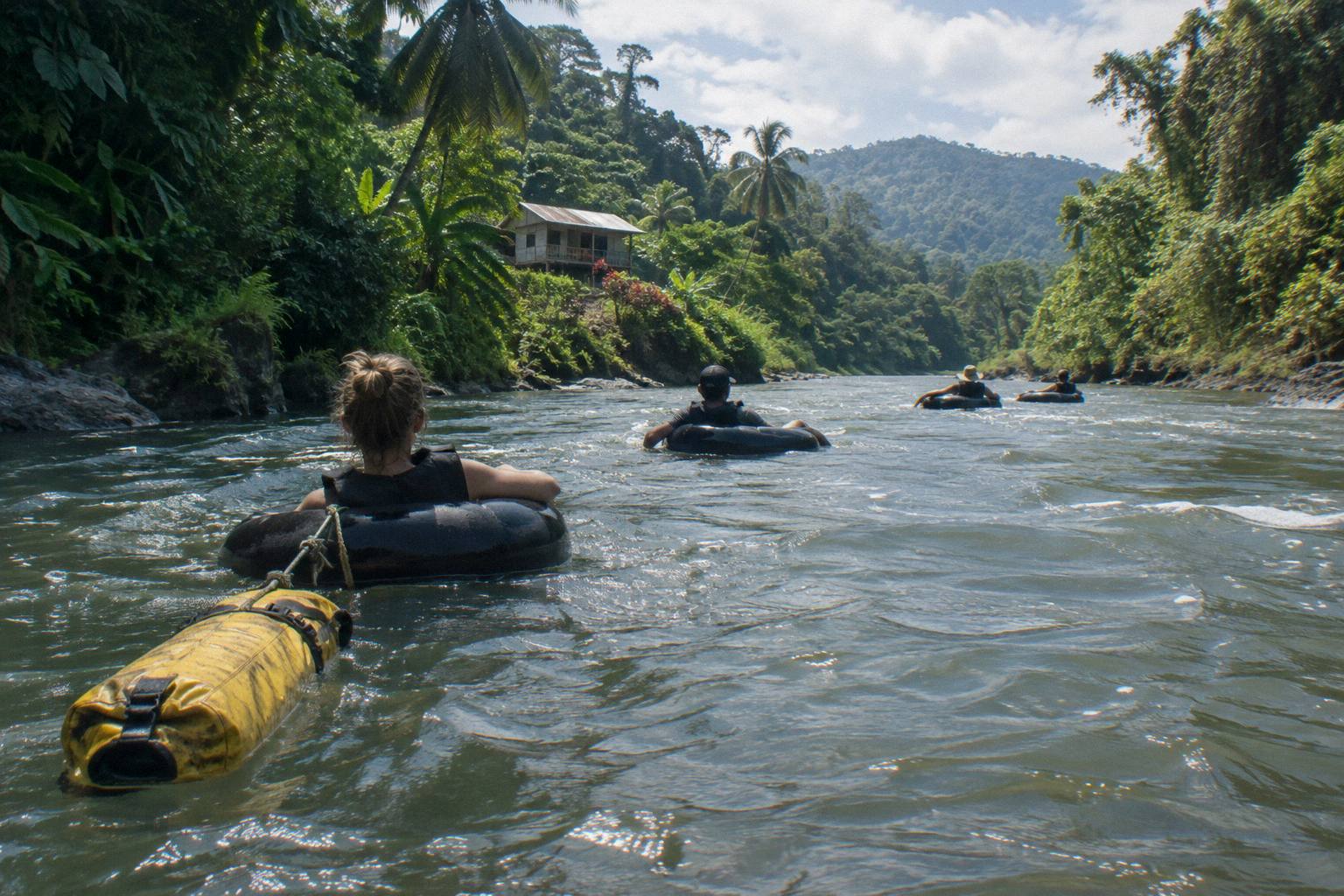
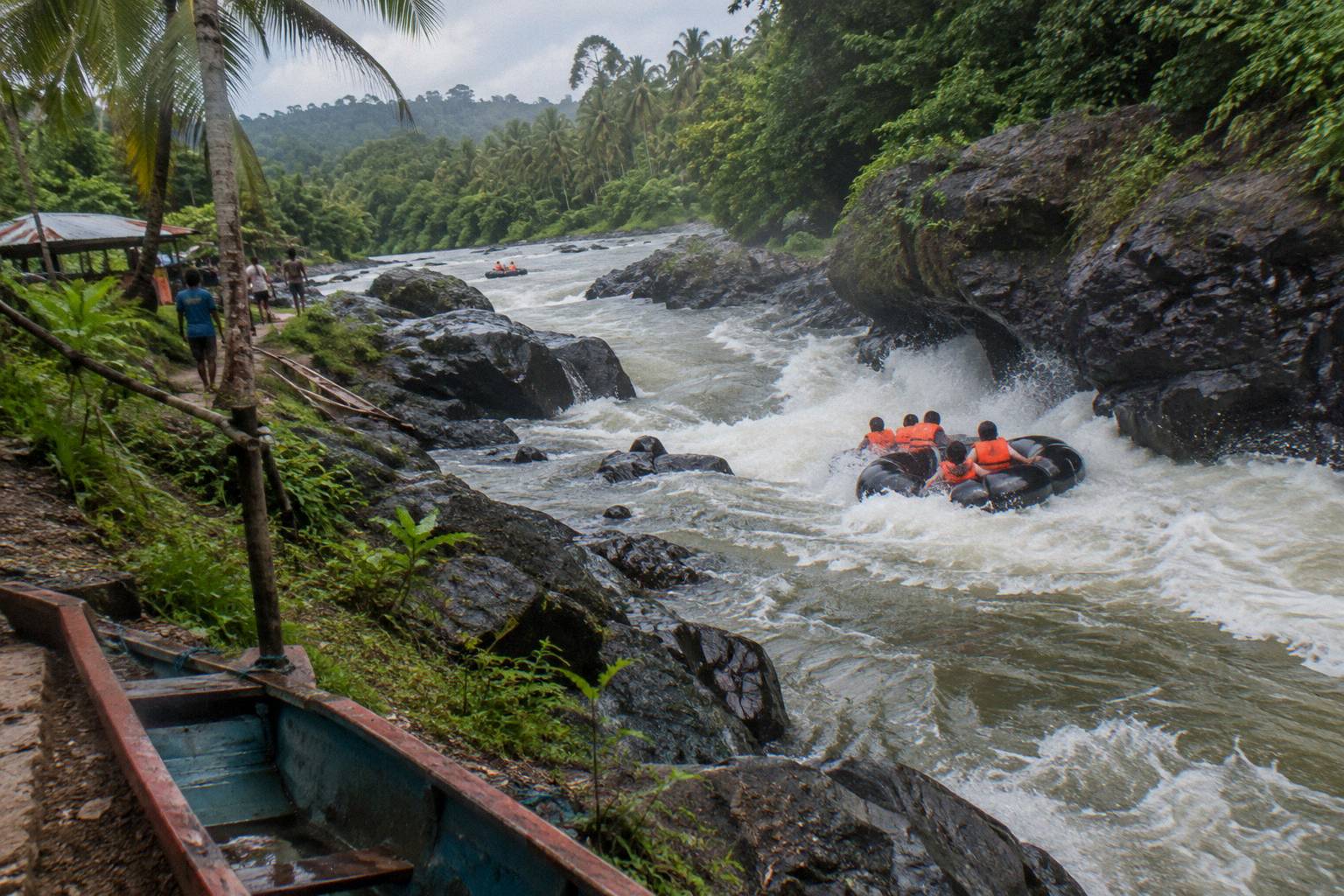
Lunch is a riverside Fijian-style meal served right on the bank, with a vegetarian option available on request. The float home is pure tubing: you settle into a tube and drift downriver through gentle rapids, the operator's own phrase for the water. Together these two stages fill the second half of the day and produce the most candid photos of it: people eating on the bank, then settled into tubes and drifting with the current. Travellers report that guides sing cultural songs during the float, a detail from reviews rather than operator copy, and one that tells you the tone is relaxed rather than adrenaline.
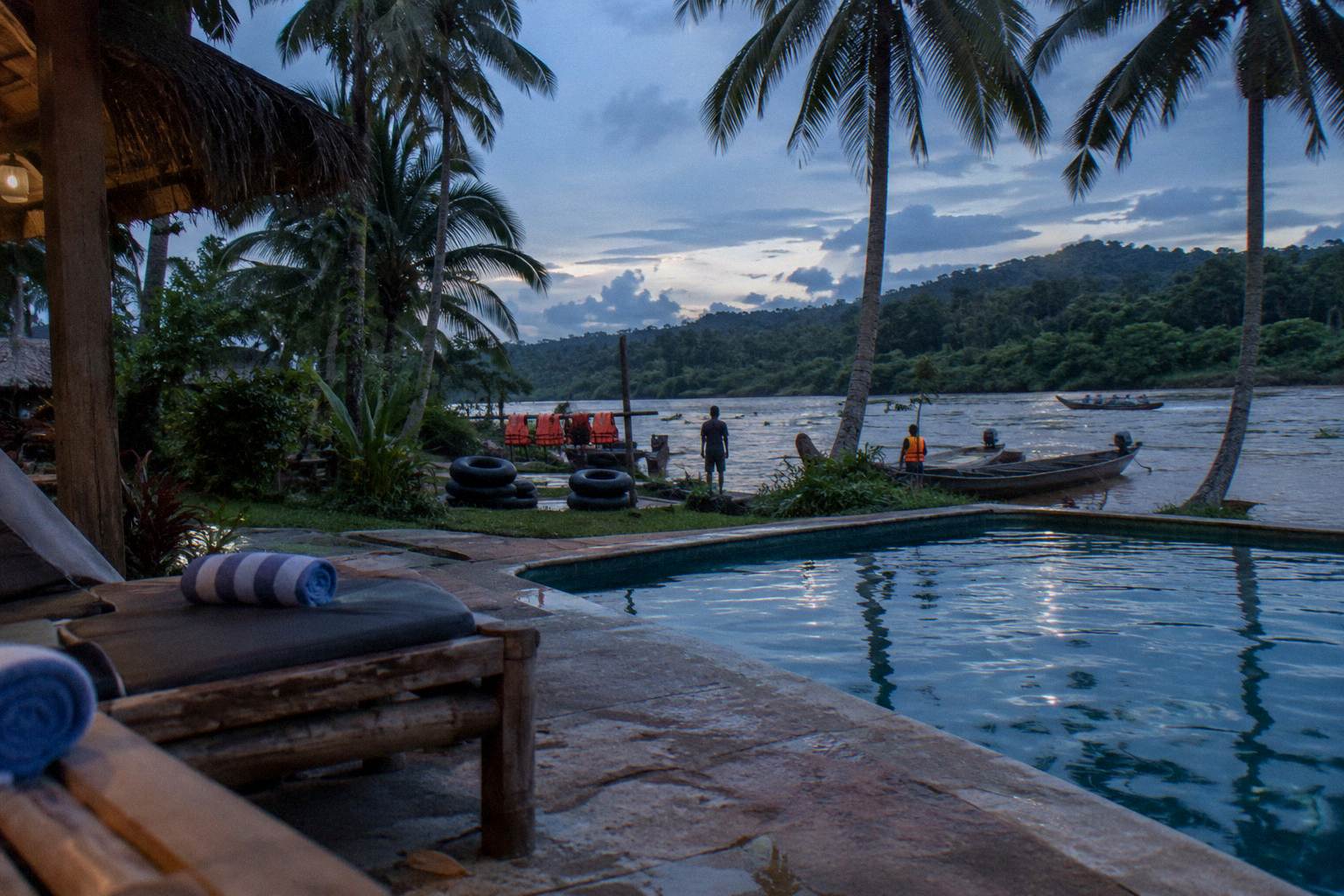
The float is the gentle option on this river by Tourism Fiji's own framing, which lists river tubing separately from the grade 2 and 3+ whitewater trips of the upper river. No named rapid grade applies to the tubing run and the operator does not claim one. If your group contains a nervous swimmer, the listing asks that you tell the team at booking if anyone is a weak swimmer, and life vests are worn by all guests. We cover the water conditions question in detail in how rough the rapids are on river tubing.
Photographically, lunch is the safe window of the day. Devices are out, hands are dry, and the boat is moored. The float itself is where the operator's photo package earns its price, because a phone in a tube pocket is a phone at risk.
| Stage | Photo safety for your own device | Published alternative |
|---|---|---|
| Longboat upriver | Splash risk in an open boat | Operator photo package |
| Village visit | Dry, but courtesy rules apply | Your own camera is fine |
| Waterfall swim | Wet by definition | Operator photo package |
| Riverside lunch | Dry, stable, best window | Your own camera is fine |
| The float down | Wet, hands occupied | Operator photo package |
Can You Take Your Own Photos And Phone On The Trip?
Yes, you can take your own camera or phone on the trip. Nothing published by the operator forbids personal devices, and its own answer to the risk of getting electronics wet is a photo package it sells, described as a package of pictures so devices need not get wet. Beyond that single fact, no phone policy, no camera policy, and no rules on jewellery or drones appear in the operator's terms or the listing pages. A position on these points is simply not stated; ask the operator before you travel.
What the terms do state is a packing list, and it doubles as a photo-readiness list. The operator's terms ask guests to bring sunscreen, hats, towels, a change of clothes, water, rain gear, and a great attitude, with ladies needing a skirt or sarong for the village visit. The home page adds bottled water, and the main booking page adds comfortable shoes or water shoes. Rain gear matters for photographers more than most: this is a rainforest river and the wet, warm season runs November to April with the cooler, drier months May to October, as general Fiji climate rather than any operator promise.
For readers who want pictures from more than one adventure, the same corridor feeds bigger trips. The Upper Navua rafting day from USD 212 goes into the gorge the tubing trip never enters, and Beqa Lagoon off Pacific Harbour hosts a two-tank shark dive with no price, rating or duration printed on its listing, run by Aqua-Trek Beqa. Diving there is a camera trip of a completely different order, and we sketch the pairing in the Beqa shark dive and river tubing combination.
Where Do The Best Published Photos Come From?
The best published images come from three sources: the operator's own gallery, which is where its photo package output lives; Tourism Fiji's destination pages, which describe the river corridor in official words; and the booking listings, which lead with the waterfall and the float. Understanding the sources tells you what is real and what is stock-adjacent. Tourism Fiji's phrasing, meandering rapids, passing cascading waterfalls, tropical rain forest and deep gorge, is the ceiling of what any official source claims about the scenery, and nothing published goes beyond it.
The operator's gallery page is the one place that explicitly connects pictures to the product: it advertises the package of pictures sold on the day, which means the professional images you see promoting the trip are taken from the trip itself, on the same 17 km corridor, not from elsewhere in Fiji. That is a stronger guarantee than most adventure listings can offer.
It also helps to know which pictures cannot come from this day. Gorge shots between sheer walls come from the Upper Navua Conservation Area upstream, designated a Ramsar site in April 2006 and protected, in the rafting operator Rivers Fiji's telling, through a lease with nine mataqali. Shark photos come from Beqa Lagoon. Jet-boat waterfall shots come from a different product on the same river. Once you can sort the sources, you can evaluate the tubing day on its own six stages.
For the practicalities of locking in a date, including cancellation windows and pickup logistics, see how to book Navua river tubing.
Which Nearby Adventure Should Fill Your Second Camera Day?
If the tubing day leaves memory card space, the two strongest photo alternatives in the same region are the Upper Navua whitewater rafting day from USD 212, which enters the gorge tubing never reaches, and the Beqa Lagoon shark dive from Pacific Harbour, whose listing prints no price, rating or duration at all. Both sit within the area Tourism Fiji calls Fiji's centre for adventure, less than an hour's drive from Suva, with tubing positioned as the gentler option among them.
The rafting day is the clear upgrade if landscape photography is the goal. The upper gorge is roughly 75 metres deep and 5 to 25 metres wide, habitat for the endemic sago palm and seventeen endemic bird species in the surrounding forest, which is a density of subjects the open lower river cannot match. The trade is cost and commitment: from USD 212 per person for a full day against tubing's from USD 120, with no rating printed on the rafting listing.
The shark dive is the opposite trade: no figures at all on the listing, just the provider name Aqua-Trek Beqa and the two-tank format. It suits confident divers with underwater housings rather than families with phones. For a sense of how the gentler day compares with the bigger water trips, our river tubing versus rafting guide lays out the differences in full.
A quieter planning note: photos from a tubing day look best when the river does, and the river is at its most dramatic in the wet months. But the same rains can close the village leg, so there is a genuine tension. Our advice on the best time to go tubing works through it season by season.
How Do You Plan The Day Around The Photos You Want?
Decide before booking which three shots matter most to you, the corridor landscapes from the boat, the village, or the waterfall swim, because the two tubing listings frame the same river slightly differently and your choice affects where your photo time goes. The River Tubing Fiji day, 4.8 across 181 reviews from USD 120, compresses the stages into about 5 hours on the water. The Bula Online day tour stretches to 7 hours from USD 101 with a covered long boat and buffet lunch, which changes both light and comfort for photography.
Transfer time is the hidden variable in any photo plan. Reviewers travelling from Nadi and Wailoaloa report about 3 hours each way by van, while Pacific Harbour and Suva sit within Tourism Fiji's stated two and a half hours from Nadi and under an hour from Suva respectively. From the west, that is most of a day door to door, and battery planning matters as much as lens choice. We map the routes in getting from Nadi to Pacific Harbour.
| Planning question | The published answer | Where it comes from |
|---|---|---|
| How long is the whole day? | About 5 hours guided on the main listing, 7 hours on the alternative, plus transfers up to about 3 hours each way from Nadi | Live listings; traveller reports |
| What if the river is low? | Village visit temporarily excluded when unsafe; reassessed on the day | Operator home page notice |
| Can I buy photos instead of risking my phone? | Yes, a package of pictures is sold | Operator gallery page |
| What do children pay? | 5 to 15 half price, under 5 free, accompanied by an adult; ID may be requested | Operator terms |
| Can I cancel? | Free cancellation up to 24 hours on the listings; direct bookings follow the operator's own 48 h / 24 h tiers | Listing terms; operator terms |
External references worth a look for your own research are the operator's gallery page on the photo package, Tourism Fiji's Pacific Harbour destination page, and the Ramsar record for the Upper Navua site if the gorge photography tempts you toward the rafting day.
Common Questions About Navua River Tubing Photos
Will I Be Able To Take Photos During The Tubing Float?
Nothing published forbids it, but no phone or camera policy is stated anywhere in the operator's terms. The operator's own answer to wet devices is a photo package it sells on the day, described as a package of pictures.
Is The Waterfall On The Tubing Trip Named?
No. The waterfall is not named in the operator's material, on Tourism Fiji's pages or on the booking listings. It is described only as a swimmable fall approximately 12 km upriver from Navua.
Does The Tubing Trip Go Through The Upper Navua Gorge?
No. The Upper Navua Conservation Area is the upper gorge, whitewater rafting territory reached by separate full-day trips. The tubing day runs the lower river from Navua town up to the waterfall and village, roughly 17 km in all.
Can I Count On Village Photos?
Not absolutely. The village visit is temporarily excluded when low water levels make the additional 5 km journey unsafe, per a live notice on the operator's home page, and the route is reassessed on the day if rain restores safe conditions.
Do I Need A Skirt Or Sarong For Photos In The Village?
The operator's terms state that ladies need to bring a skirt or sarong for the village visit, and a separate listing for the Bula Online day tour says hats, bare shoulders and bare knees are not permitted in the village. Each rule belongs to its own trip.
Where Do The Professional Photos Advertising The Trip Come From?
From the trip itself. The operator's gallery page advertises the photo package sold on the day, which means its promotional images are taken on the same river corridor you will travel, not from elsewhere in Fiji.