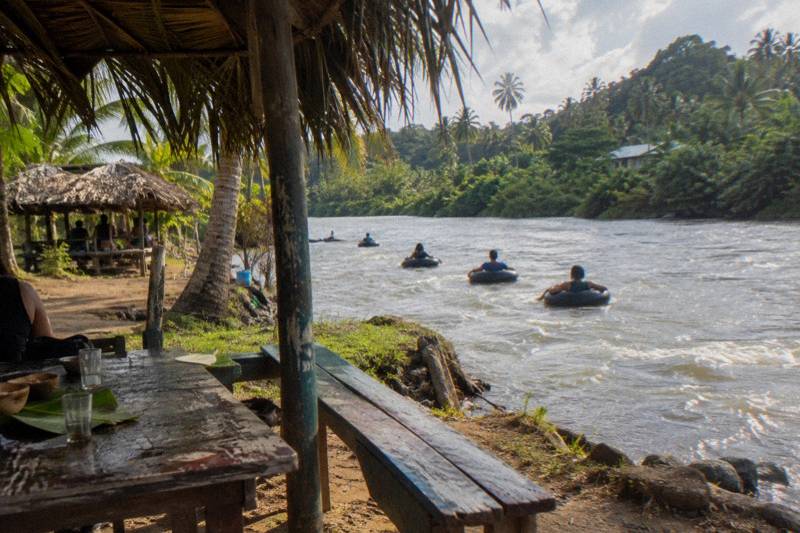
How Rough Are The Rapids Really On The Navua River?
How rough the rapids on Navua River tubing actually are: what the operator says, why there is no official grade, and how the run compares with Upper Navua whitewater rafting.
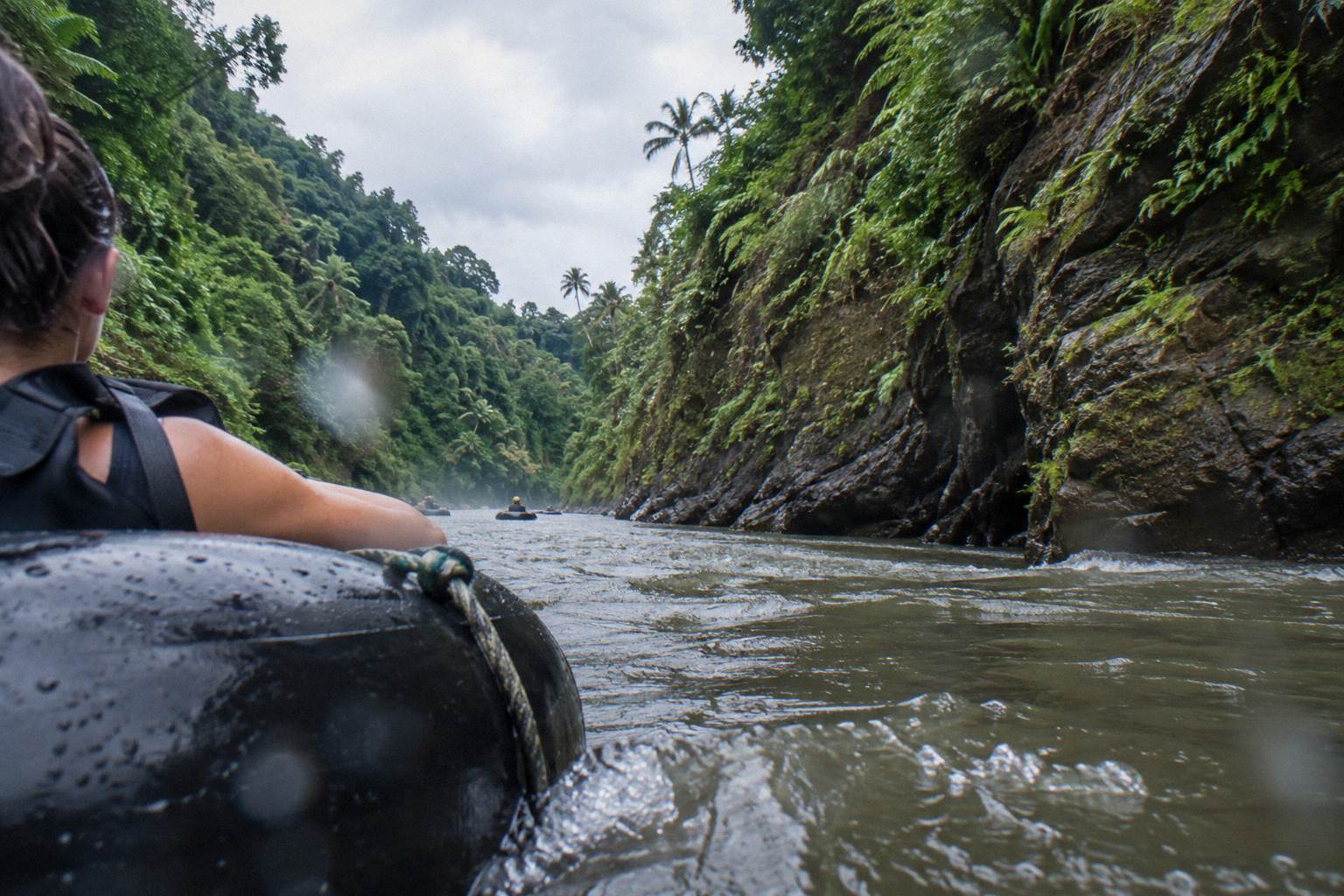
Most people asking about the roughness of river tubing rapids are picturing one of two extremes: a lazy drift down a stream, or a whitewater beat-down in a rubber ring. The Navua River in Fiji sits deliberately between those images, and the way the tourism material describes it is more precise than most blog posts suggest. The tubing operator, River Tubing Fiji, uses two words for its rapids: gentle rapids. Tourism Fiji, the national tourism body, groups river tubing on the Navua among the area's adventure activities but singles it out as the gentler option on this river. Neither source gives the tubing run a rapids grade, and that absence is itself the most useful piece of information a nervous first-timer can have.
The grades that do exist on this river, grade 2 and grade 3 and above, belong to whitewater rafting trips on the upper Navua and the Wainikoro-i-luva, runs through deep gorges that are a completely different product, sold at a different price, run by rafting operators. The divide is worth keeping clear: what the tubing run is actually like according to the operator and the national tourism body, why no official grade exists for it, who it suits, and how the rafting alternative upriver compares if you decide you want more splash than a tube provides.
How Rough Are The Rapids Really?
By every official description available, the rapids on the Navua River tubing run are gentle. The operator's own words for the float are "gentle rapids", Tourism Fiji calls tubing "the gentler option" among the Navua's river activities, and no source anywhere assigns the tubing run a rapids grade. The graded whitewater on this river, grade 2 and 3+, belongs to rafting trips on the upper Navua, not to the tubing run downstream.
That is the headline, and it is worth dwelling on why the words used are so consistent. Tourist activities in Fiji are described by their operators and by Tourism Fiji, and when two separate descriptions converge on the same soft vocabulary, gentle and gentler, that convergence is the closest thing to an independent check a reader can get without riding the river. The operator has every commercial incentive to advertise excitement if excitement were on offer, since adventure is what sells in Pacific Harbour, an area Tourism Fiji markets as Fiji's centre for adventure. Instead its homepage describes the tubing leg of the day simply as tubing downriver through gentle rapids.
Tourism Fiji's own framing of the river's options makes the contrast explicit. On its Pacific Harbour adventures page it lists upper Navua and Wainikoro-i-luva whitewater rafting through grade 2 and grade 3+ rapids in deep gorges, a jet boat run to the Magic Waterfalls, kayaking or punting on the middle Navua, and then river tubing, which it labels the gentler option. The word choice matters: gentler than the rafting, gentler than the jet boat. If tubing involved genuine whitewater, the national tourism body would have no reason to file it as the soft alternative in a list that already contains a grade 3+ rafting trip.
None of this means the water is flat and still. A river with a longboat run, a waterfall swim and a downstream current is moving water, and moving water deserves respect regardless of grade. Travellers reviewing the trip report guides singing cultural songs during the float, which tells you something about the pace: a run requiring full concentration and white knuckles does not leave much room for group singing. The summary is gentle moving water with small rapids, run in a professionally guided group, with life vests on everyone.
If you are weighing whether to book, the three options below cover the range from the gentle tubing float to the full whitewater day upstream.
“Amazing experience! River tubing is a must-do tour in Fiji! The boys were great, very friendly and helpful, and we really enjoyed every moment. Such a fun and memorable adventure. Highly recommended!”
What The Operator Actually Says About The Tubing Rapids
River Tubing Fiji describes its tubing leg in exactly two words: gentle rapids. The fuller itinerary on its own site lists the float as the final stage of the day, after a longboat ride upriver, a village visit when river levels allow, a waterfall swim and a riverside lunch. The operator publishes no rapids grade, no difficulty rating and no age-based water-safety limit for the tubing run, and its safety page focuses on life vests and supervised children.
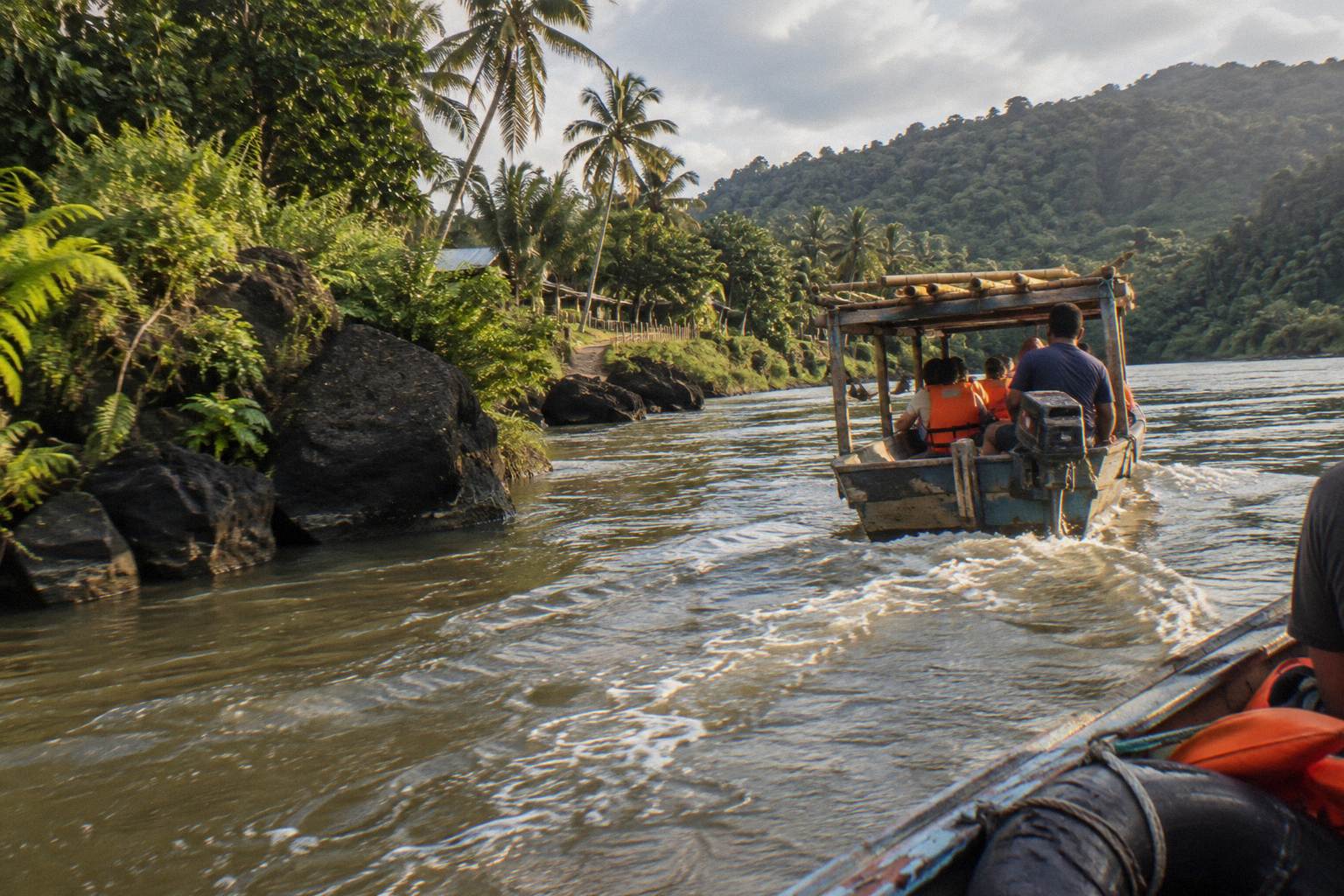
Going to the operator's own material rather than to secondhand summaries is worth the effort here, because the operator's website is unusually plain about the shape of the day. Its homepage lays out the itinerary in a fixed order: hotel pick-up and a welcome briefing with life jackets and gear, a longboat ride upriver past greenery and waterfalls, a guided Fijian village visit when river levels allow, a waterfall swim, a riverside Fijian-style lunch with a vegetarian option on request, and finally the tubing run downriver through those gentle rapids. The float is the last chapter of the day, not an all-day battle with the river.
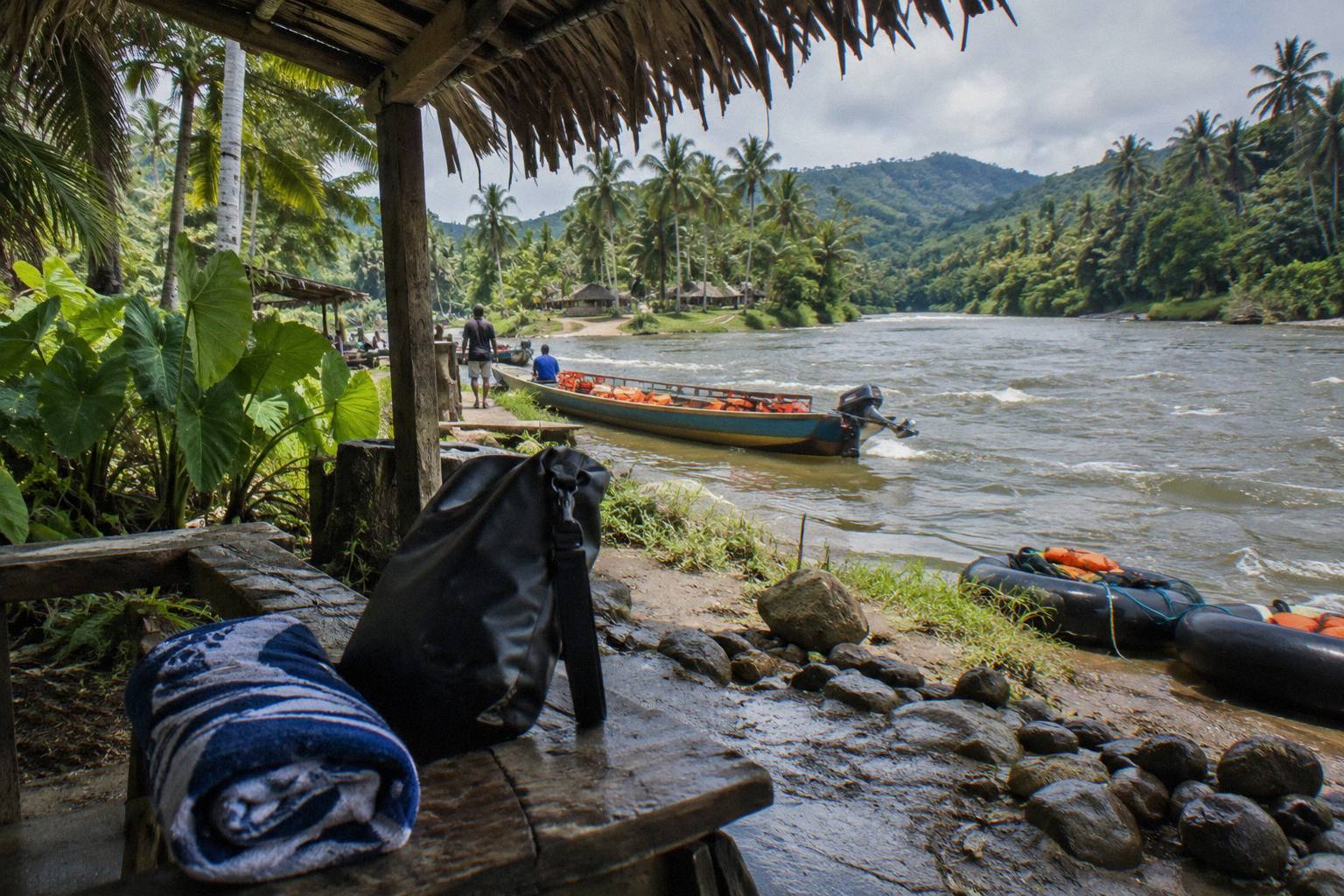
The operator's safety page, titled Safety First, states two rules plainly: all tubing guests must wear a life vest, and all children must be accompanied by an adult. That is the full extent of its published safety framework for the tubing run. There is no published minimum swimming standard, no weight limit and no pregnancy rule anywhere in its terms, so any reader needing certainty on those points should ask the operator directly rather than rely on third-party summaries. Its terms and conditions do state that the operator is not responsible for injuries or loss of belongings, standard adventure-tour language worth knowing before you sign up.
| Source | Exact wording about the tubing rapids | Grade given? |
|---|---|---|
| River Tubing Fiji operator site | "Tubing downriver" through "gentle rapids" | No |
| Tourism Fiji adventures page | River tubing as "the gentler option" among Navua activities | No |
| Tourism Fiji, boat ride wording | "Through meandering rapids, passing cascading waterfalls, tropical rain forest and deep gorge" | No |
| Main booking page for the trip | Guided tour, about 5 hours, in Navua | No |
Wondering whether this level of water is the right pick for your group? The live listings for the tubing day let you check dates and party sizes against the operator's own pickup and cancellation terms.
Why There Is No Official Rapids Grade For The Tubing Run
No rapids grade exists for the Navua tubing run because nobody with authority has assigned one. The international grading scale that produces ratings like grade 2 or grade 3+ is applied to whitewater runs, and on this river it has only ever been applied to the upper Navua and the Wainikoro-i-luva rafting trips. The tubing run operates on a lower, calmer stretch of the same river and carries no grade from any official source.
This distinction trips up a lot of research, because search results for the Navua River mix tubing pages with rafting pages, and the rafting pages carry numbers. Tourism Fiji's adventures page grades the upper Navua and Wainikoro-i-luva rafting at grade 2 and 3+ rapids through deep gorges. Writers then sometimes transplant those grades onto anything involving the river, including tubing, and suddenly a gentle float is described as grade 3 whitewater in a blog post that never cites a source. The grades are real, but they belong to a different product on a different stretch of water.
“Traveled with older teenagers and we all had a great time. The waterfalls were beautiful and the food was delicious with plenty of helpings for my teenage son. It was a bit cold that day but still a really fun time. We were in Nadi so the drive was far (3 hrs each way) but our driver was great and stopped for a break half way through. The guides were very friendly and engaging as well.”
The geography explains the difference. The tubing trip starts from the Navua end of the river, on its lower reach: the operator's own notices place the swimmable waterfall about 12 km upriver from that end and the village about a further 5 km beyond it. The famous gorge section, the Upper Navua Conservation Area, sits well upstream of all of that. It is a protected canyon about 75 m deep and 5 to 25 m wide, designated Ramsar site no. 1612 in April 2006, and it is rafting territory. No official page anywhere says the tubing trip enters that gorge. For the broader picture of this stretch of river, our guide to the Navua River and its gorges covers the geography in detail.
“Such an amazing day out. Exceeded expectations. Loved the village tour, swimming at the waterfall, the amazing lunch and the tubing. Fantastic day. Special mention towards the end of the tubing when the guides got all the tubes together and sang cultural songs. I was a bit ahead and I swore they had a stereo but my boys said they didn’t. Sounded amazing whilst floating down the river.”
The practical takeaway for a reader is simple: if you see a page assigning the Navua tubing trip a numeric grade, that page is borrowing numbers from the rafting runs. Trust the two-word description from the operator and the gentler-option framing from Tourism Fiji instead. Both are quoted verbatim above, and neither promises anything the river does not deliver.
Tubing Versus Rafting On The Navua River
Tubing and rafting on the Navua are two different products on two different stretches of the same river. Tubing is the gentle, guided float from the lower river, from USD 101 to USD 120 per person depending on the operator. Whitewater rafting on the Upper Navua, run by Rivers Fiji as a full-day trip, is from USD 212 per person and travels through the graded rapids and the protected gorge that tubing never enters.
“Excellent day trip. All the guides, drivers and tour leaders were very kind. The day was very well organized. Excellent commentary during the tour of the village and the garden. The setting is simply magnificent. Thank you!”
The rafting product is worth understanding even if you never book it, because it defines the ceiling of roughness on this river and shows what the tubing trip is not. The Upper Navua Whitewater Rafting trip, often sold as the Grand Canyon run, is listed as a full day from USD 212 per person, with Rivers Fiji named as the provider on its booking page. No rating is printed for it. Its minimum age, weight, fitness and swimming rules are not stated in the available research either, so anyone considering it should ask the rafting operator directly rather than assume tubing rules carry over. The rest of the planning pages sit on Pacific Harbour River Tubing.
“Everything about this tour was amazing. From the food to the crews singing was an overall great experience, I highly recommend!”
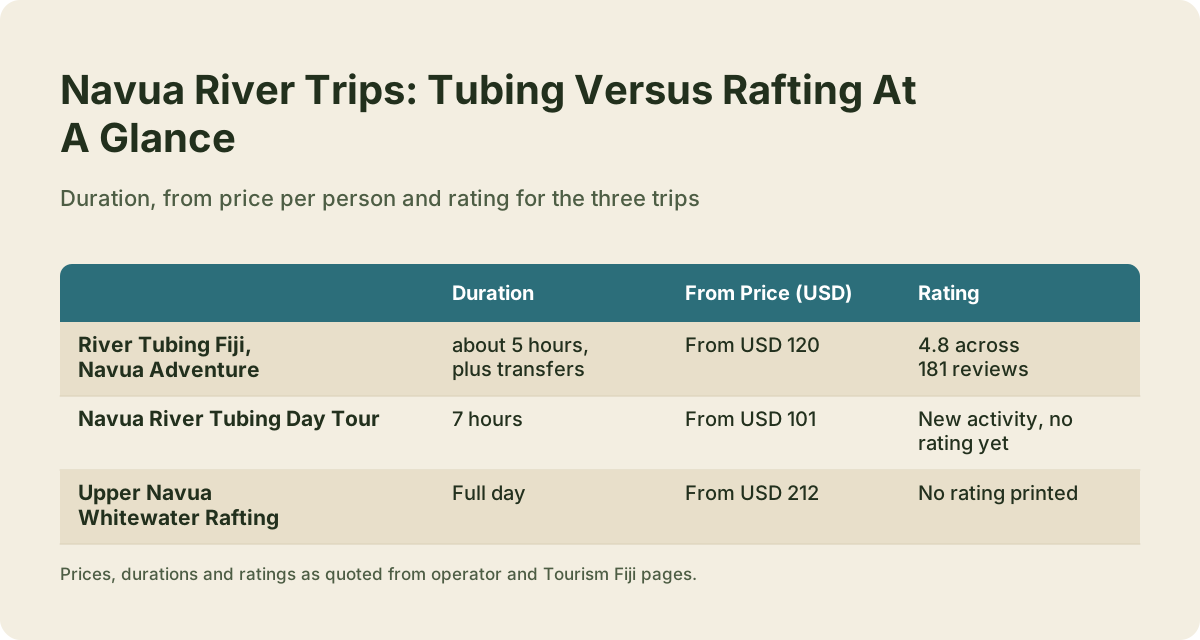
The tubing products sit at a different price point and a different intensity. The featured trip on this site, River Tubing Fiji's Navua River adventure, is from USD 120 per person on its main booking page, rated 4.8 across 181 reviews there, with a second booking page for the same trip showing a 4.9 rating. A second tubing day, the Navua River Tubing Day Tour with Bula Online Fiji Tours and Watersports named as provider on its page, is from USD 101 per person, runs 7 hours, and is a new activity with no rating yet. Nothing establishes whether the two are the same operator or separate companies, so it is safest to treat them as two listings and compare them on their own pages.
| Trip | What the water is like | Duration | From price (USD, pp) | Rating |
|---|---|---|---|---|
| River Tubing Fiji, Navua adventure | Gentle rapids on a guided tube float, lower river | Guided tour about 5 h, plus transfers | From USD 120 | 4.8 across 181 reviews on the main booking page; a second page shows 4.9 |
| Navua River Tubing Day Tour | Tubing day with longboat, village, waterfall and buffet lunch | 7 hours | From USD 101 | New activity, no rating yet |
| Upper Navua Whitewater Rafting | Grade 2 and 3+ rapids through the deep upper gorge, per Tourism Fiji | Full day | From USD 212 | No rating printed |
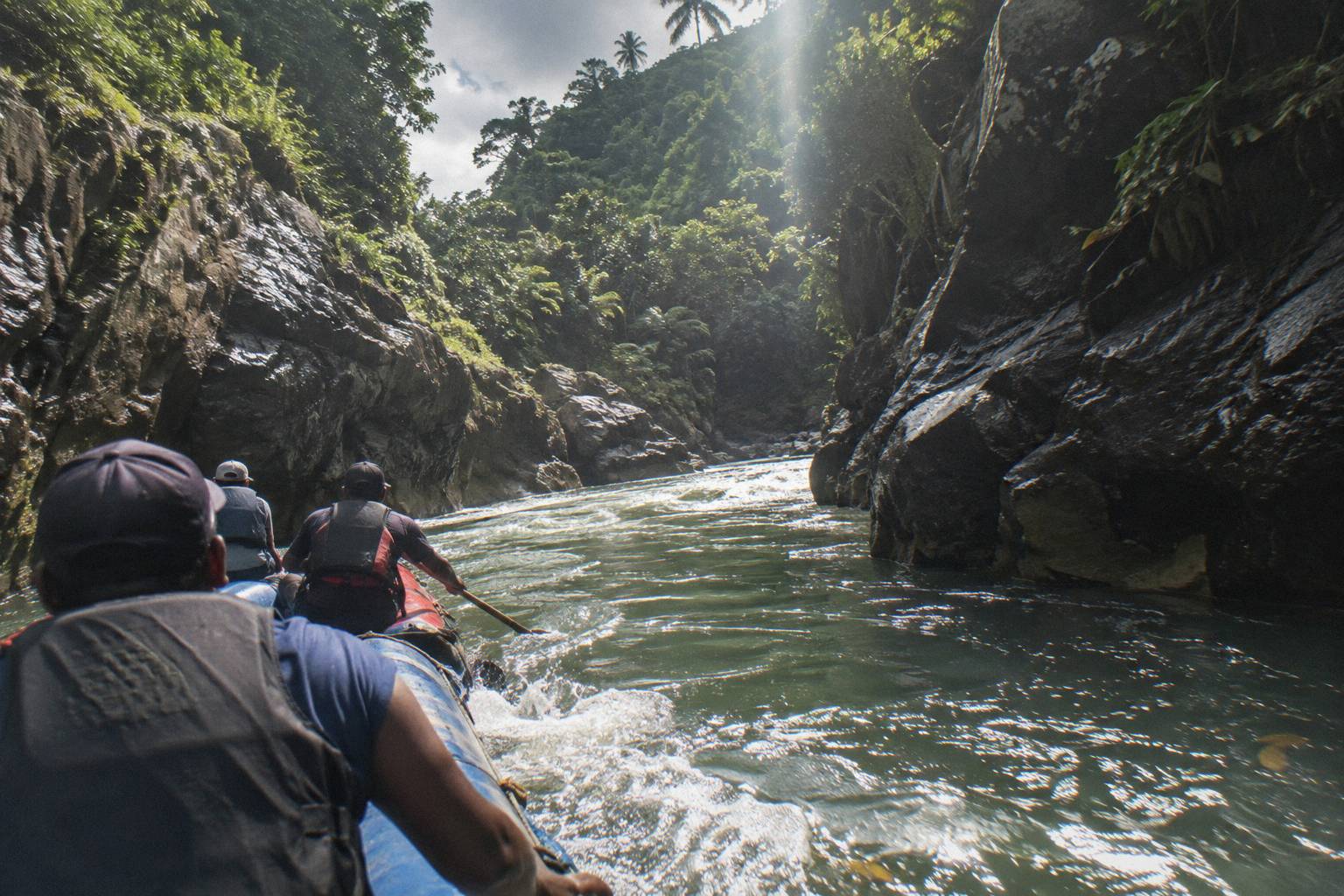
Choosing between them is mostly a question of appetite rather than ability. Readers who want the story of having rafted a protected canyon take the upper trip and pay the full-day price. Readers who want moving water without a workout, families included, take the tube. If the gentler option is your pick, dates and pickup options are on the live listing.
For the full comparison of the two tubing days, including what each one includes, see our breakdown of the Navua River tubing options and costs.
Who The Gentle Rapids Suit, And Who They Do Not
The gentle rapids suit most people who can sit in a tube and hold on: families with school-age children, cautious swimmers willing to wear a vest, and adults who want scenery over adrenaline. The bookings do exclude some guests: the main tubing page rules out people with back problems and mobility impairments, and the second tubing day rules out children under 6 and anyone with a mobility impairment, adding that weak swimmers must be flagged at booking.
“Great day out with heaps of fun. Guides were great and very humorous and sang some beautiful songs while we were tubing. Throughly recommend this activity. Waterfall swim and view was just superb. Thanks.”
Neither listing publishes a single minimum age for tubing, and it would be wrong to invent one. What exists instead is a pricing rule on the operator's terms: children aged 5 to 15 pay half price and must be accompanied by an adult, and children under 5 travel free. That is a pricing structure, not a safety minimum, and the second operator's under-6 exclusion shows the two listings draw the line differently. Families with children in that 5-to-6 gap should ask the operator directly before booking. Our longer treatment of the age question is in the age limits for river tubing post.
The exclusion lists tell their own story about the water. Back problems and mobility impairments are the stated concerns on the main tubing page, which is consistent with a ride that involves sitting low in an inflated ring, bumping through small rapids, and getting in and out of a boat and the water at river banks. These are comfort and access exclusions more than swimming-ability exclusions. The second listing goes further and asks guests to tell the team at booking if anyone is a weak swimmer, which is the single most useful instruction on either page: the operator can only accommodate what it knows about.
| Guest situation | What the listings say |
|---|---|
| Adults wanting scenery over adrenaline | Suited; the float is the operator's gentle-rapids leg |
| Children | 5 to 15 half price with an adult, under 5 free on operator terms; second listing not suitable under 6 |
| Back problems | Not suitable, per the main booking page |
| Mobility impairments | Not suitable, per both tubing listings |
| Weak or non-swimmers | No official standard stated; the second listing asks you to flag weak swimmers at booking |
| Weight limits, pregnancy | Not stated anywhere; ask the operator |
Non-swimmers sometimes assume gentle means safe without a vest. The operator's rule is the opposite: all guests must wear a life vest, everyone, every trip. Combined with guided supervision and the requirement that children stay with an adult, that vest rule is the safety framework for the whole run, and it is the reason the operator can keep the water gentle rather than worrying about swimming ability. We cover the non-swimmer question in full in can non-swimmers go river tubing.
What River Conditions Can Change On The Day
River level, not grade, is the thing that actually changes a tubing day. The operator's own site carries a standing notice that the village visit is dropped when low water makes the extra upriver journey unsafe, and its terms reserve the right to cancel or amend a trip for river or weather conditions, with a full refund or reschedule if the operator cancels for river reasons. Rain can restore the route on the day.
This is the part of the question the brochures handle least well, because roughness on a river is not a fixed property. The same stretch of water that floats a tube gently at one level can push harder after heavy rain upstream, and the operator manages that variability rather than pretending it does not exist. Its dry-spell notice is specific and worth reading in full: the village visit, the furthest point upriver at roughly 17 km from the tubing end, is temporarily excluded when low water levels make the additional journey unsafe, and the route is reassessed on the day if rain restores safe conditions. The waterfall swim and the tubing float stay closer to the river's main reach.
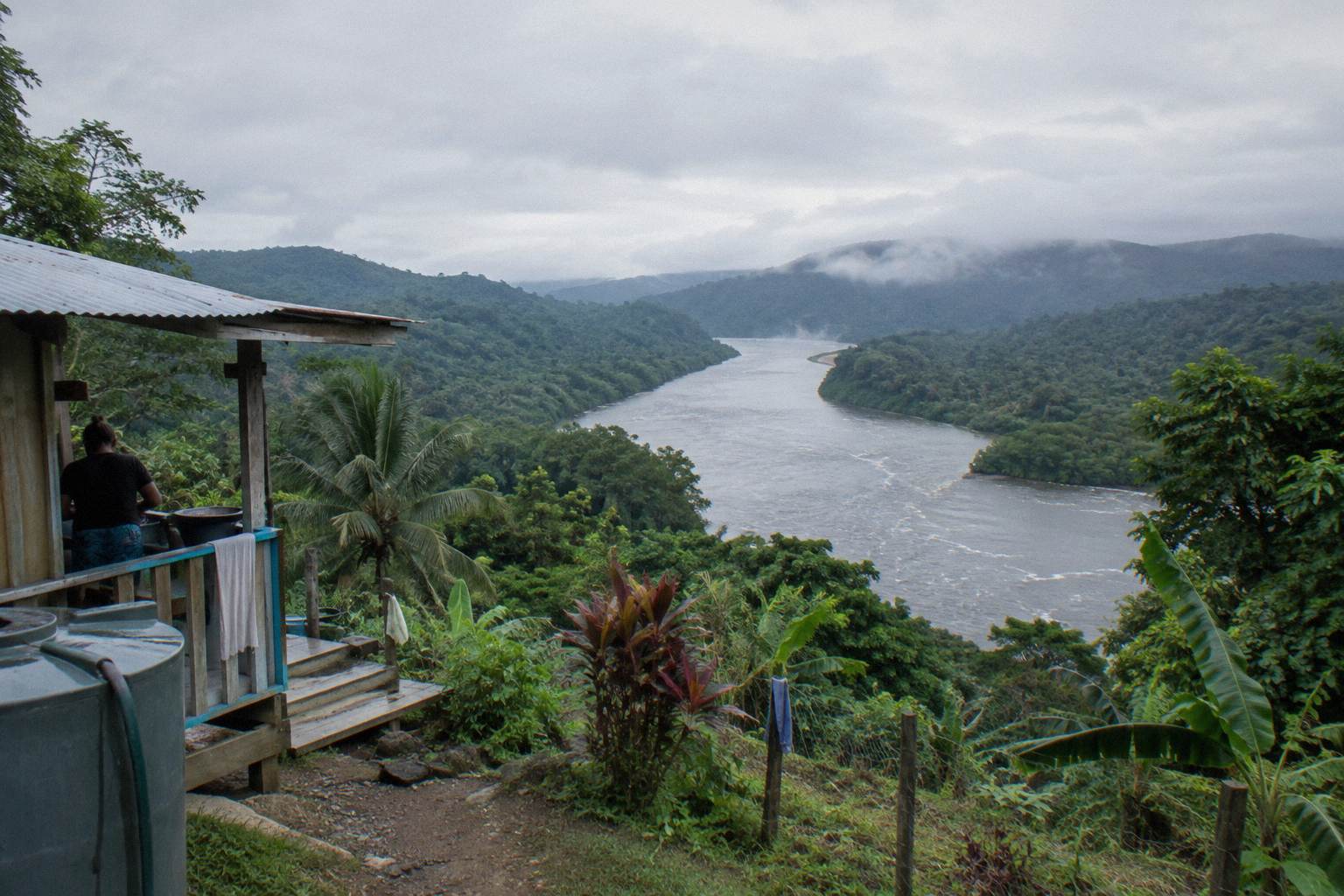
Fiji's general climate shapes that variability. The warm, wet season runs November to April and the cooler, drier season May to October, per the Fiji Meteorological Service as summarised in climate summaries. That is background climate rather than an operator promise: the operator decides on the day, based on the river in front of it, not on the calendar. Anyone booking during the wet season should simply take a careful look at the cancellation terms. For a fuller look at weather and the trip, see what happens to river tubing when it rains.
The cancellation framework differs by booking channel, and the difference matters. Booked through the main booking page, the trip carries free cancellation up to 24 hours in advance. Booked direct with the operator, its own terms run in tiers: more than 48 hours before departure, no fee; 24 to 48 hours, a 50 percent fee; within 24 hours, the full fee. And if the operator itself cancels for river conditions, the terms promise a 100 percent refund or a reschedule. Three policies, one trip: check which channel your booking uses before you rely on any of them.
How The Day Is Built Around The Water
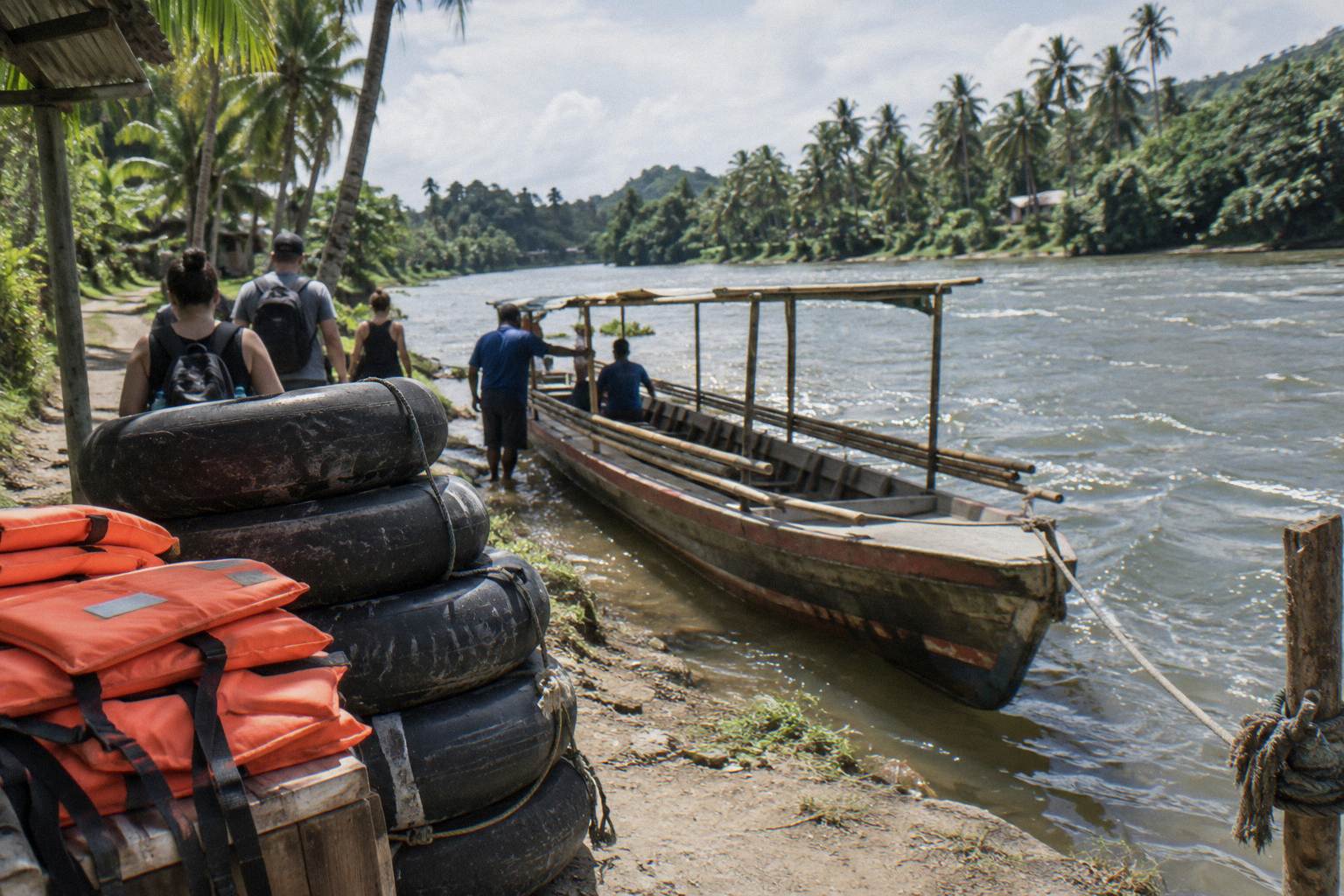
The tubing float is the last of six stages in the operator's fixed itinerary, coming after hotel pickup, a briefing with life jackets and gear, a longboat ride upriver past waterfalls, a guided village visit when river levels allow, a waterfall swim and a riverside lunch. The day is sequenced so guests see the river from a boat, from the bank and from the water before the tube leg, which means the rapids are already familiar by the time you float them.
That sequencing does a lot of quiet work for nervous guests. The longboat ride upriver, which Tourism Fiji describes as passing through meandering rapids, cascading waterfalls, tropical rainforest and deep gorge, travels the same corridor the tubes later drift down. Guests have watched the water, seen its speed and its pools, and eaten lunch beside it before the tube leg begins. The float is not a cold plunge into unknown water; it is the finale of a day spent getting acquainted with the river.
| Stage of the day | What happens |
|---|---|
| 1. Pickup and briefing | Hotel pick-up, welcome briefing, life jackets and gear |
| 2. Longboat upriver | Ride past greenery and waterfalls, about 12 km to the waterfall, 17 km to the village |
| 3. Village visit | Guided Fijian village visit, dropped in low water for safety |
| 4. Waterfall swim | Swim at an unnamed swimmable waterfall |
| 5. Riverside lunch | Fijian-style lunch, vegetarian on request |
| 6. Tube float | Downriver through the operator's gentle rapids |
Two small details round out the picture. Travellers report that guides sing cultural songs during the float, a detail from guest reviews rather than operator copy, and one that fits the pace of the water. And the operator sells a photo package, a package of pictures from the day, so devices need not go on the water at all, which is worth remembering when packing. The full stage-by-stage walkthrough is in our Navua River tour itinerary guide.
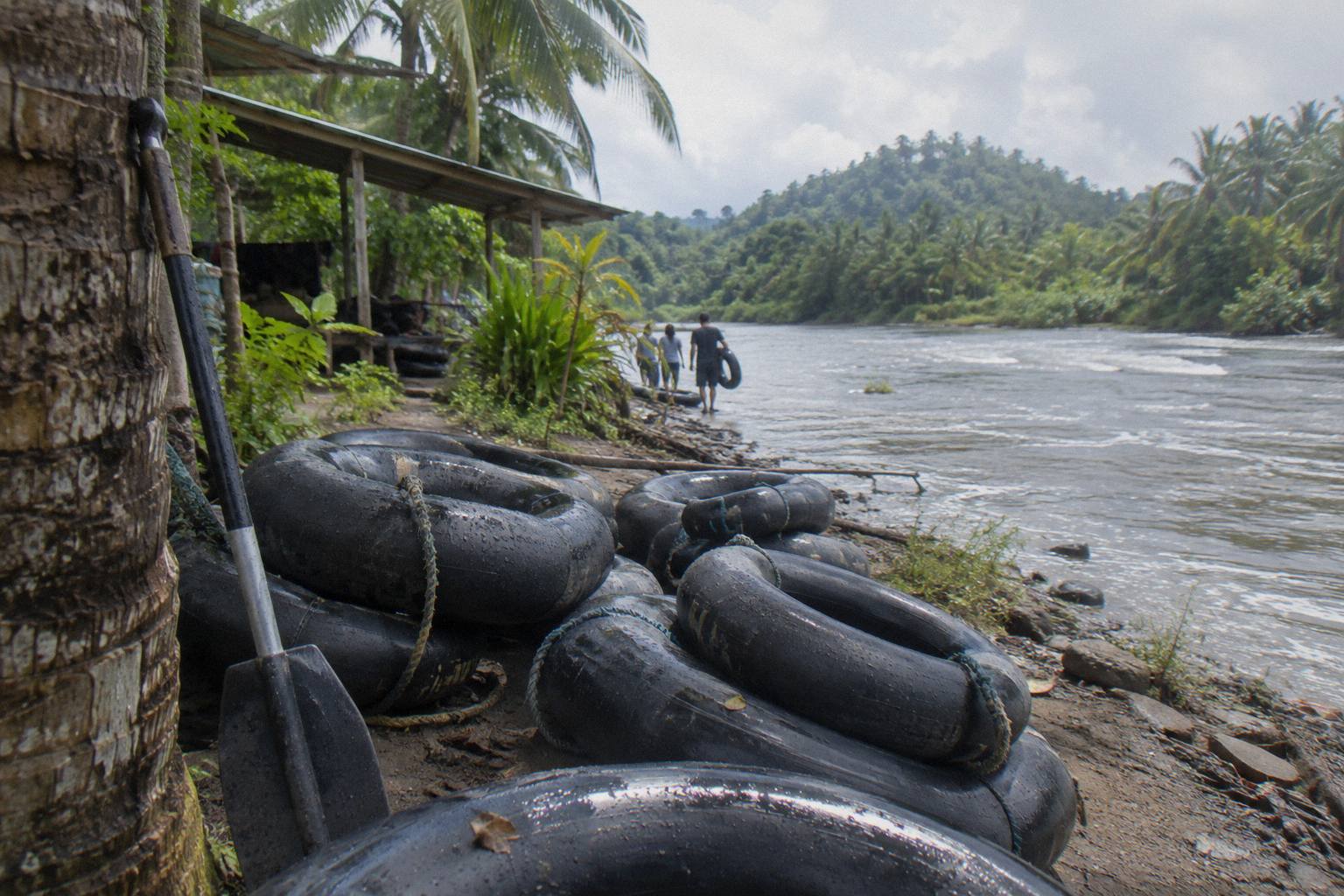
Preparation for gentle moving water is modest but real. The operator's own kit list asks for sunscreen, a hat, a towel, a change of clothes, drinking water, rain gear, and a skirt or sarong for women for the village visit; comfortable shoes or water shoes appear on the booking page. None of that is whitewater equipment, which is itself a fair signal of what the water is like. Our full packing treatment is in what to bring river tubing.
Common Questions About River Tubing Rapids
How Rough Are The Rapids Really?
Gentle, by every official description. The operator's own words for the tubing run are "gentle rapids", and Tourism Fiji calls tubing the gentler option among the Navua's river activities. No official grade exists for the tubing run; the grade 2 and 3+ ratings on this river belong to whitewater rafting trips on the upper Navua and Wainikoro-i-luva, a different stretch of river entirely.
Do The Navua Tubing Rapids Have A Grade Like Grade 2 Or Grade 3?
No. No source assigns the tubing run a numeric rapids grade. The grades quoted around the Navua, grade 2 and 3+, come from Tourism Fiji's description of upper-river whitewater rafting through deep gorges, which is a separate full-day product from USD 212 per person. Any page applying those grades to tubing is mixing up the two trips.
Can Children Float The Tubing Rapids?
Children float with an adult, wearing a life vest, per the operator's safety rules. Its terms price children 5 to 15 at half price with an accompanying adult, and under 5s free, but that is a pricing rule, not a stated minimum age. The second tubing listing, the Navua River Tubing Day Tour, states it is not suitable for children under 6. Ask the operator about your child's age before booking.
What If The River Is High Or Low On The Day Of My Trip?
The operator reassesses the route on the day. Its standing notice drops the village visit when low water makes the extra upriver leg unsafe, and its terms allow it to cancel or amend for river or weather conditions, with a 100 percent refund or reschedule if the operator cancels for river reasons.
Should I Choose Tubing Or Whitewater Rafting On The Navua?
Choose tubing, from USD 101 to USD 120 per person depending on the listing, for a guided gentle float with village and waterfall stops. Choose the Upper Navua Whitewater Rafting full day, from USD 212 per person with Rivers Fiji, for graded rapids through the protected gorge. The tubing trip does not enter that gorge.
Are Non-Swimmers Allowed On The Tubing Run?
No official minimum swimming standard exists anywhere in the operator's published material. Everyone wears a life vest, and the second listing asks guests to tell the team at booking if anyone is a weak swimmer. Flag it when you book and let the operator advise you.
Before you go, here again are the three ways to get on this river, from the gentle float to the gorge rafting day.