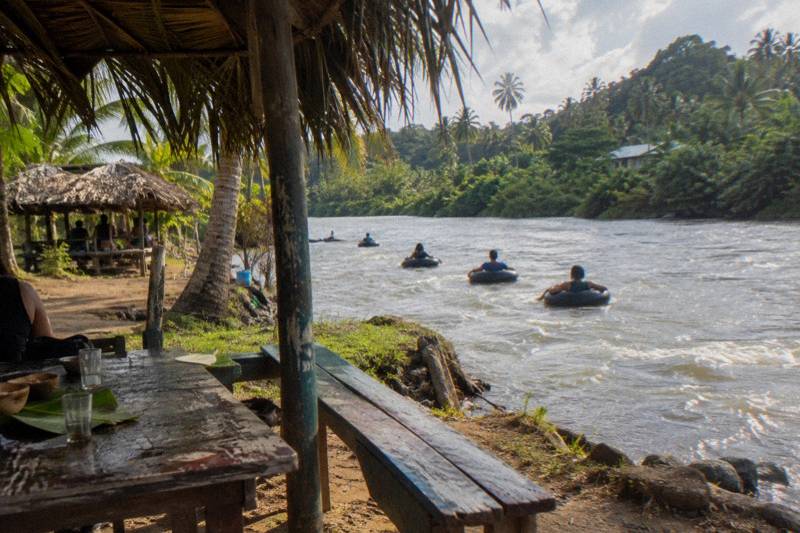
What To Bring River Tubing On The Navua: A Packing List
The operator's own terms list exactly seven items, and the booking pages add water shoes. Here is the full packing list, what the tour already provides, and the questions the small print does not answer.
Short answer
Bring sunscreen, a hat, a towel, a change of clothes, drinking water, rain gear and a sarong or skirt for the village visit, plus water shoes. Life vests, tubes and a riverside lunch are provided. The operator sells a photo package, so devices need not get wet. No rule on jewellery, alcohol or tipping is stated; ask the operator.
What Should You Pack For A Navua River Tubing Day?
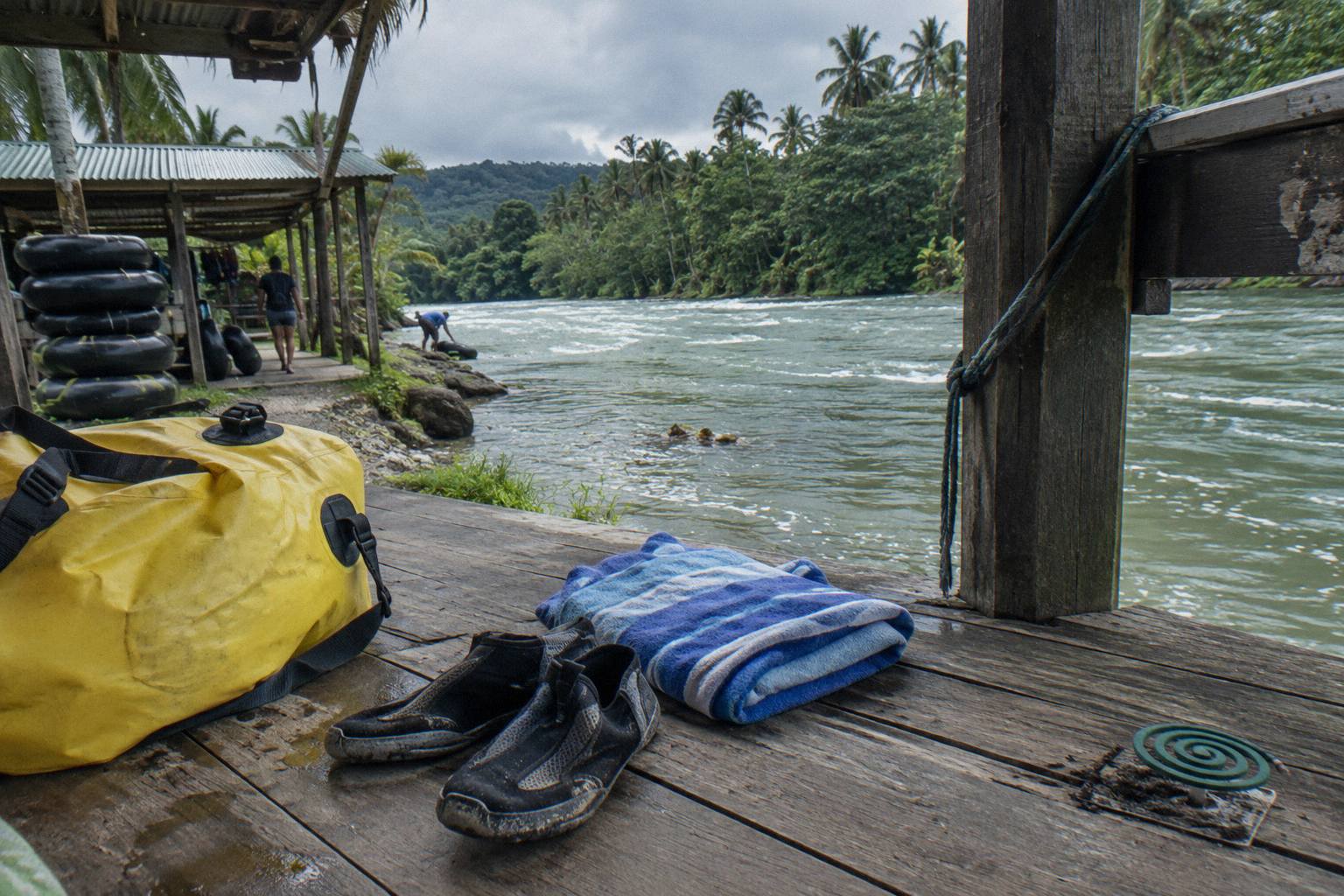
The operator's own terms list seven things to bring: sunscreen, a hat, a towel, a change of clothes, water, rain gear and, for women, a skirt or sarong for the village visit, closing with the instruction to bring "a great attitude." The main booking page adds comfortable shoes or water shoes, and the operator's home page adds bottled water. That is the entire stated list, and nothing on it needs to be bought at a specialist shop.
The value of this list is that every line on it comes from a stated source rather than from guesswork. River Tubing Fiji publishes its terms on its own website, and the packing guidance there is short and practical, written for a day that moves from a van to a boat to a village to a river. The main booking page for the trip adds the footwear line, which matters because the day involves river banks, boat decks and village paths rather than sandy beaches. Put the two sources together and you have a complete, checkable list.
Here is the full list in table form, with the source of each item named so you can see exactly where each instruction comes from. Where an item appears in the operator's terms, that is the strongest source, because those terms are the document you agree to when you book.
| Item | Source | Note |
|---|---|---|
| Sunscreen | Operator's terms | Listed first on the operator's list |
| Hat | Operator's terms | Listed alongside sunscreen |
| Towel | Operator's terms | For after the waterfall swim and the float |
| Change of clothes | Operator's terms | You will finish the day wet |
| Water | Operator's terms and home page | Home page specifies bottled water |
| Rain gear | Operator's terms | Listed plainly as "rain gear" |
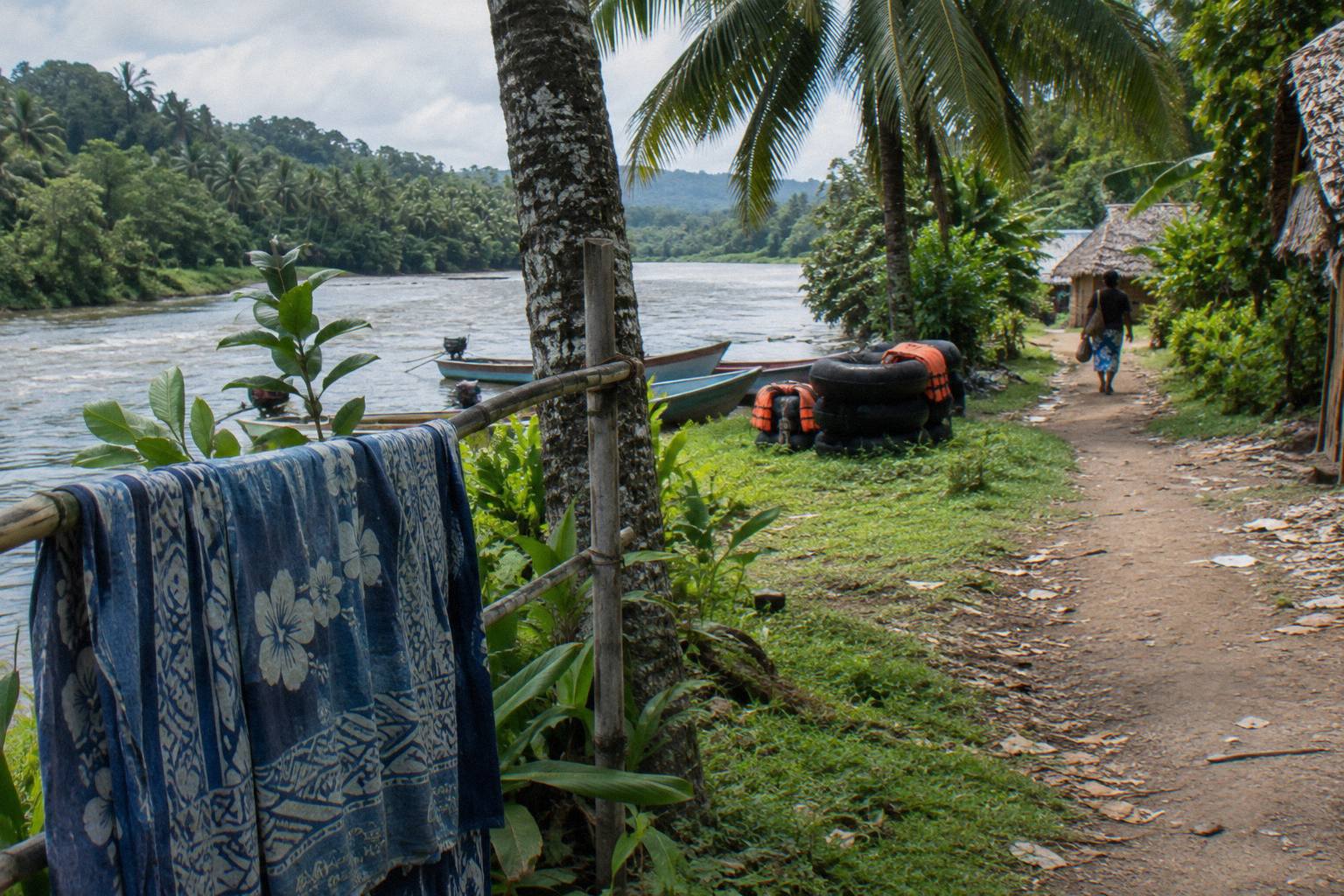
| Skirt or sarong (women) | Operator's terms | Quoted as needed "for the village visit" |
| Comfortable shoes / water shoes | Main booking page | Footwear line added by the listing |
| A great attitude | Operator's terms | The operator's own closing item |
Taken as a whole, the list shows a shape: it is a day with sun, water, rainforest and a village in it, in that order. The sunscreen and hat handle the boat ride upriver, the towel and change of clothes handle the swim and the float, the rain gear handles the weather the rainforest can produce at any time of year, and the sarong handles the village. Nothing on the list is about survival or difficulty, which matches the operator's own description of the float as "gentle rapids."
What Does The Tour Already Provide?
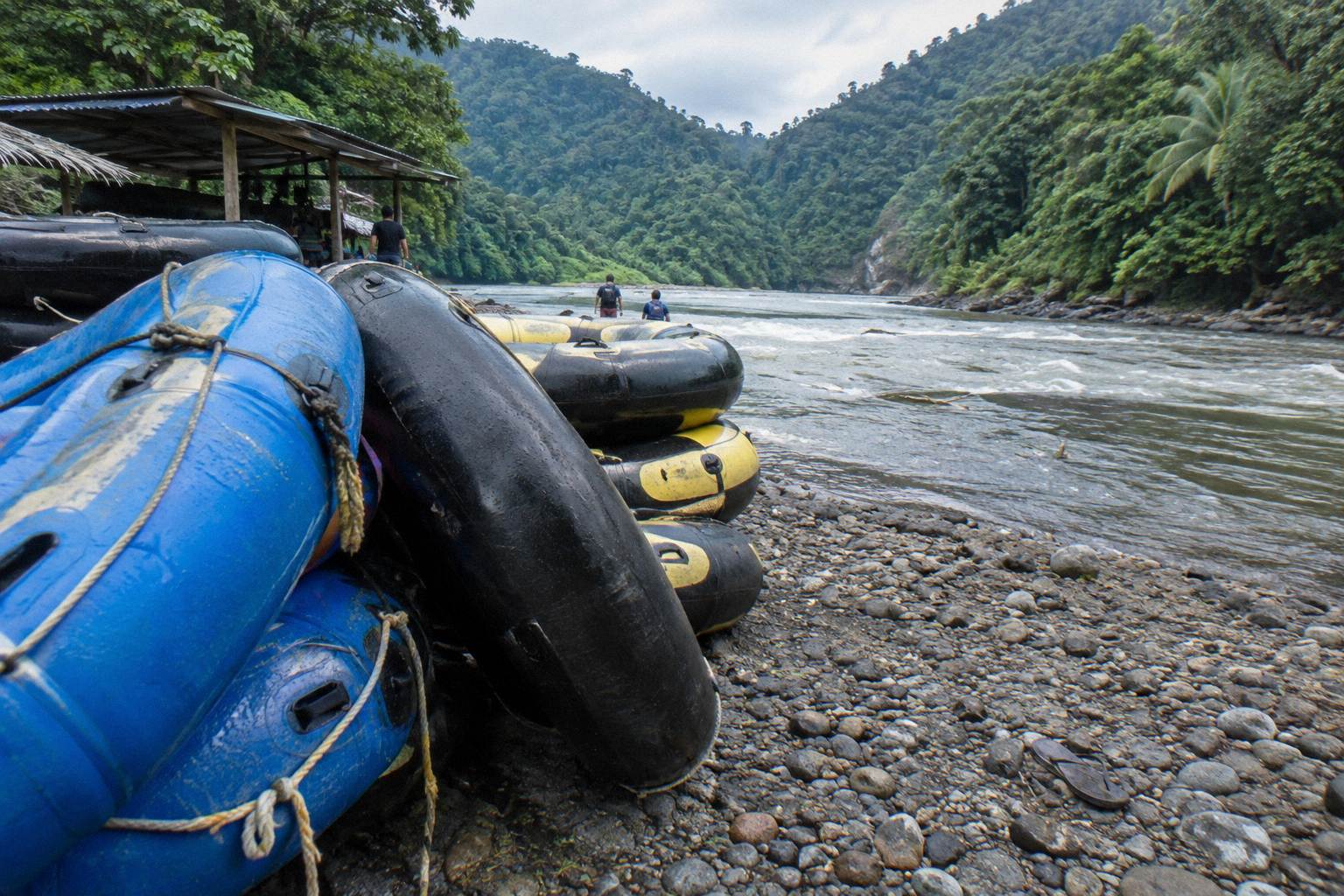
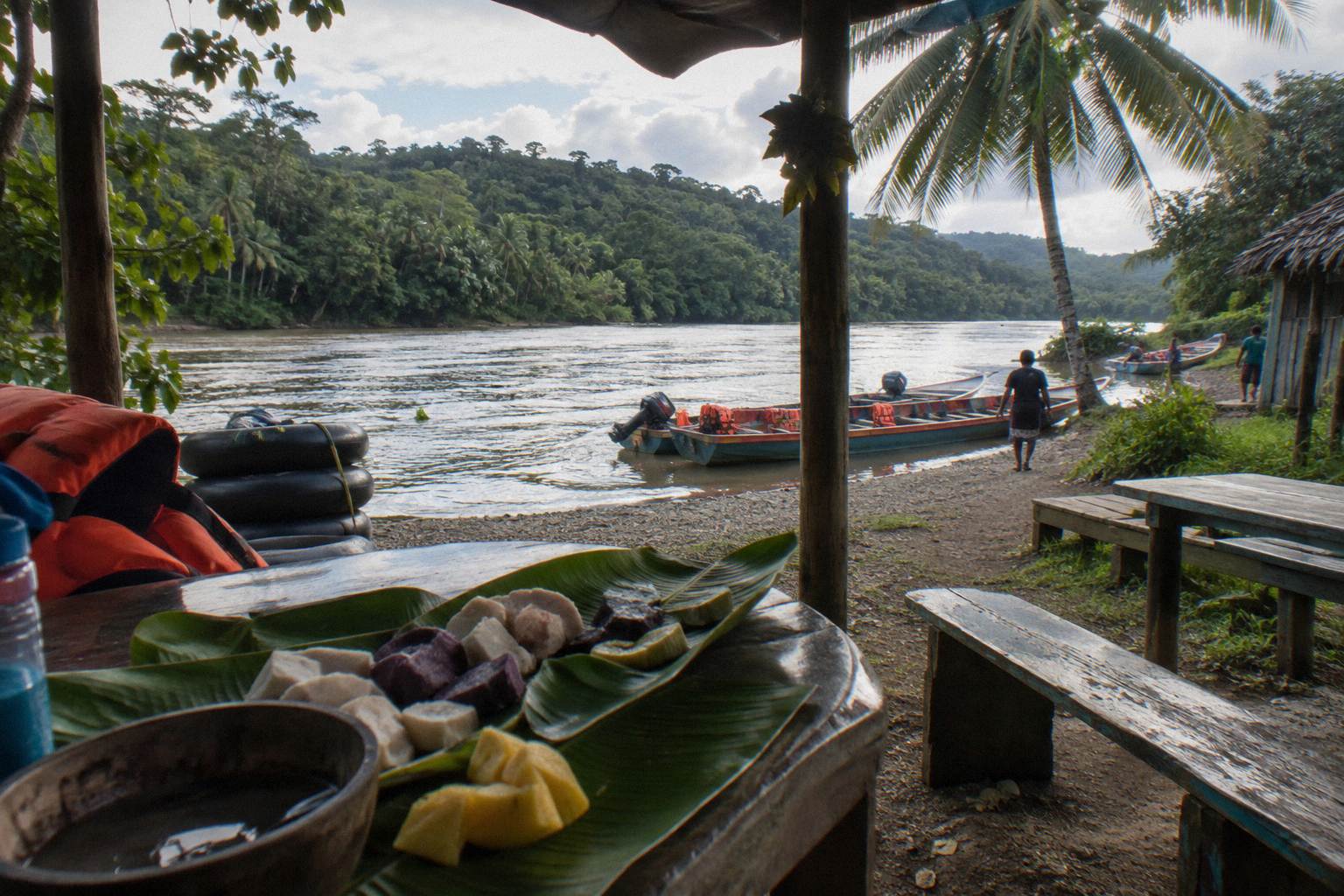
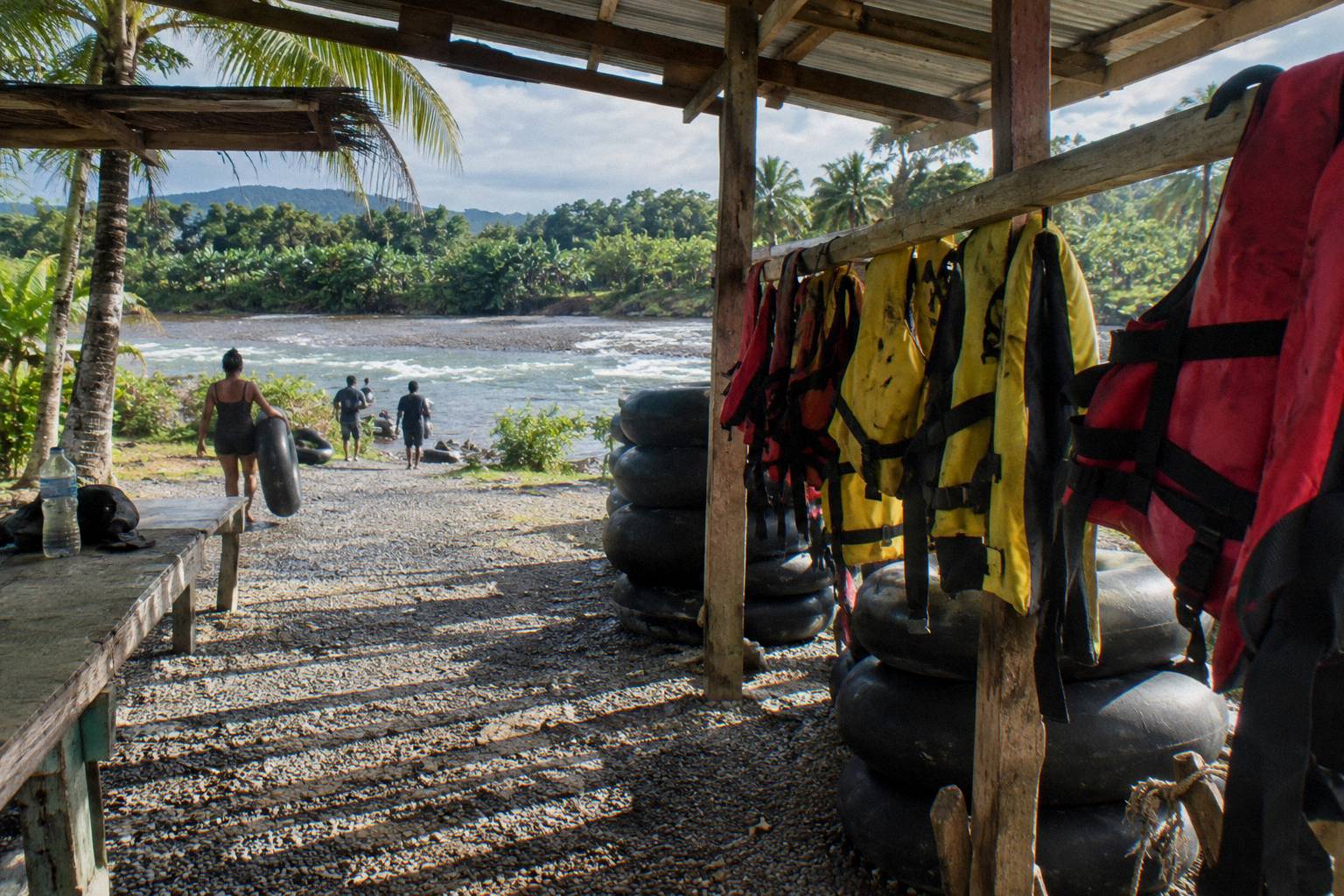
You do not need to bring a tube, a life vest or lunch. The operator's stated day begins with hotel pickup, a welcome briefing, and the issue of life jackets and gear, and it includes a riverside Fijian-style lunch with a vegetarian option on request. The main booking page also includes hotel pickup, the boat, the tubes and the life jackets in the price. Your packing list is therefore personal items only, not equipment.
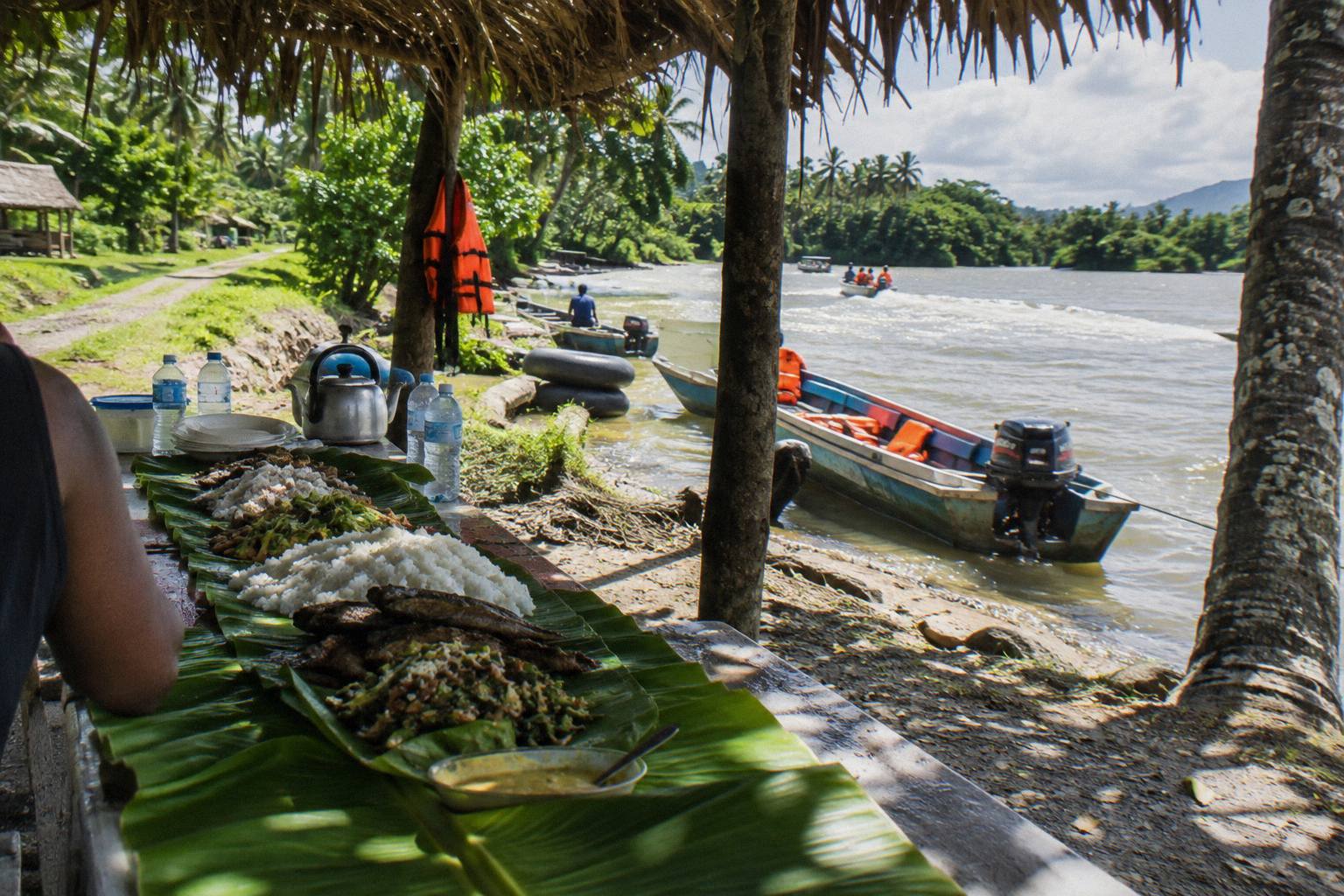
This distinction saves a lot of overpacking. Some travellers arrive for river days prepared as if kit were not supplied, and the small print of this trip is clear that it is. The operator's home page lays out the day in order: hotel pickup, welcome briefing, life jackets and gear, a longboat ride upriver, the village visit when river levels allow, a waterfall swim, the riverside lunch, then the tubing float downriver. Every item of equipment in that sequence belongs to the operator.
The life vest is not optional equipment you can decline. The operator's safety page states that all tubing guests must wear a life vest, and that all children must be accompanied by an adult. So the vest is provided and it is also required, which means the answer to "should I bring my own buoyancy aid" is simply no. The same page covers group days, which include team-building races and wedding-group outings, and the same vest rule applies across them.
| Provided by the tour | Bring yourself |
|---|---|
| Inflatable tube | Sunscreen and hat |
| Life vest (required for all guests) | Towel and change of clothes |
| Longboat ride upriver | Bottled water |
| Riverside Fijian-style lunch, vegetarian on request | Rain gear |
| Hotel pickup from listed areas | Skirt or sarong for women |
| Photo package available to buy | Water shoes or comfortable shoes |
Packing around what is provided also changes your bag size. If lunch, gear, tubes and vests are all handled, what remains fits in a small day pack, and much of it can stay on the shuttle rather than ride down the river with you. The photo package point, covered below, is the other half of that calculation: the operator sells a "package of pictures" through its gallery page, which exists precisely so your own devices need not get wet.
The comparison matters for packing because the two tubing trips and the rafting day are not the same product. If you are still weighing the gentler float against the grade 2 and 3+ rafting runs that Tourism Fiji describes in the upper Navua gorges, the river tubing versus rafting comparison breaks down the differences, and the rafting day from USD 212 per person is a full-day commitment with its own operator, Rivers Fiji.
Do You Need Water Shoes And A Sarong?
Water shoes appear on the main booking page's list, so treat them as recommended footwear rather than a suggestion to ignore, and the sarong or skirt for women is stated in the operator's terms as needed for the village visit. Separately, the Navua River Tubing Day Tour page, a different listing by a different provider, states that hats, bare shoulders and bare knees are not permitted in the village. Each dress rule belongs to its own trip.
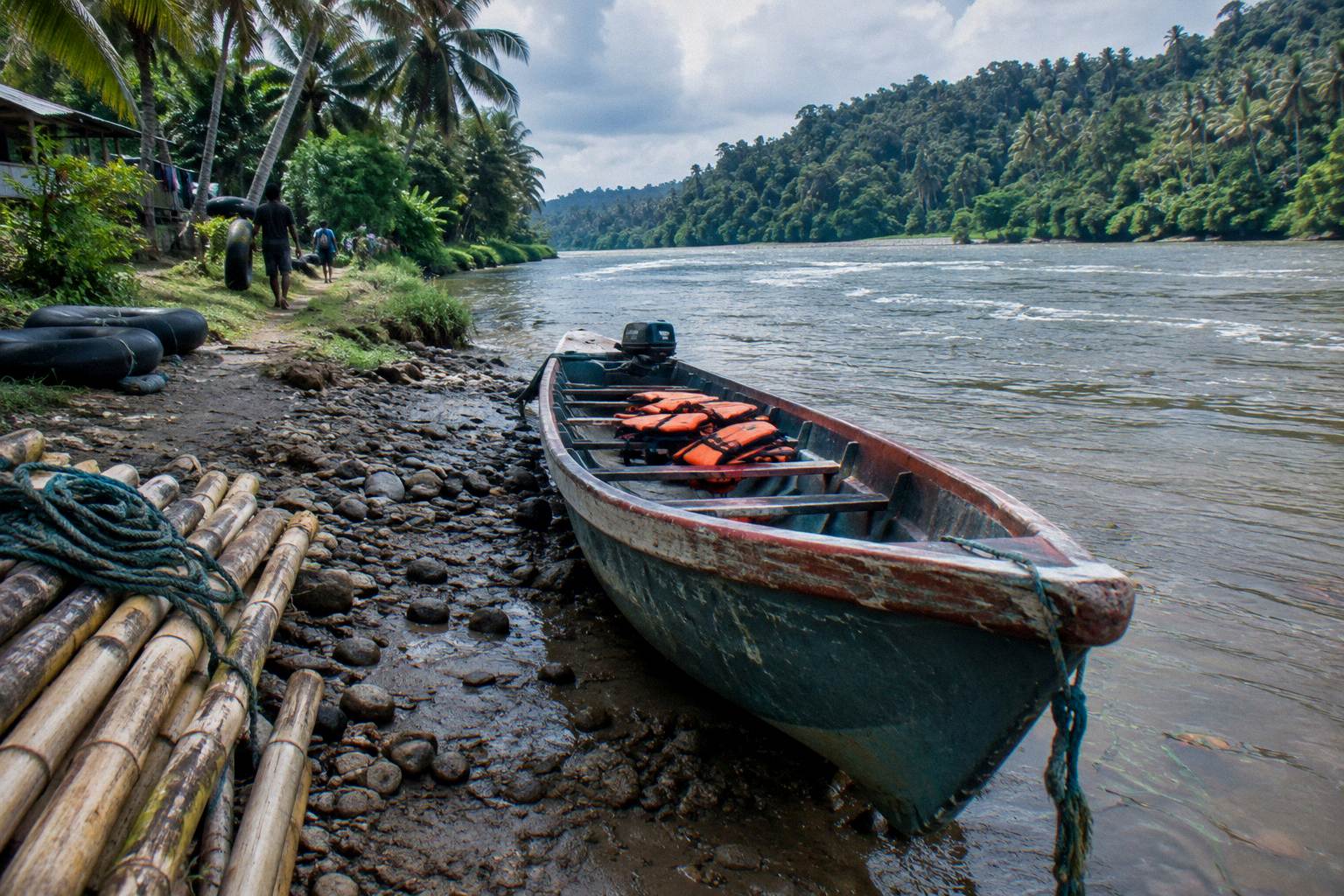
The footwear question comes up more than any other, and the answer is anchored in the listing, not in general advice. The main booking page for River Tubing Fiji adds "comfortable shoes / water shoes" to the packing list. The day gives you several reasons to want them: a longboat ride with wet decks, a river bank at the swim stop, and village paths. Ordinary trainers will survive the day but will stay wet; sandals with a heel strap are a reasonable middle ground; flip flops are a poor choice on a boat deck.
The village dress code deserves precision, because two different sources are often blurred together. The operator's terms for River Tubing Fiji say, in their own words, that "ladies need to bring a skirt or sarong for the village visit." That is the stated rule for that trip. The Navua River Tubing Day Tour, listed by Bula Online Fiji Tours and Watersports, carries its own line: hats, bare shoulders and bare knees are not permitted in the village. That rule belongs to that listing and to that trip. The two providers are not claimed to be the same operator, so do not carry one rule across to the other trip; pack for the trip you actually booked, and if in doubt, a sarong covers every version of the code.
One more caveat deserves attention, and it is the biggest of all: the village visit itself is conditional. The operator's home page carries a dry-spell notice stating that the village visit is "temporarily excluded when low water levels make the additional journey unsafe," and that the route is reassessed on the day if rain restores safe conditions. The main booking page says the same. Bring the sarong anyway, because the decision is made on the day, not at booking.
If you have booked the longer alternative instead, its listing asks for one extra thing at the point of booking rather than in your bag: tell the team if anyone in your party is a weak swimmer. That instruction appears on the Navua River Tubing Day Tour page, which also states the trip is not suitable for children under 6 or people with mobility impairments.
Can You Bring A Phone Or Camera Tubing?
The operator sells a photo package described on its gallery page as a "package of pictures," which exists so that devices need not get wet on the river. The operator's terms and the booking pages state no policy on phones, cameras, jewellery, alcohol or tipping. For all five items the answer is the same: not stated, ask the operator.
That single sentence answers a cluster of questions this site gets asked constantly, and it is worth being blunt about why. Every packing article on the internet will happily invent a rule about GoPros or wedding rings, but none of these five items has a stated policy from River Tubing Fiji or from the booking pages for the Navua trips. Rather than manufacture guidance, the correct move is to say plainly that the policy is not stated and to direct you to ask the operator, whose contact details are published on its own site.
The photo package is the one firm fact in this area. Its existence tells you something practical: the operator has judged that enough guests want pictures of the day, and that keeping devices dry is a real enough problem to build a product around. Traveller reviews of the main trip, from August to November 2026, describe guides singing cultural songs during the float, the kind of moment a photo package is designed to capture while your own phone stays dry in the shuttle.
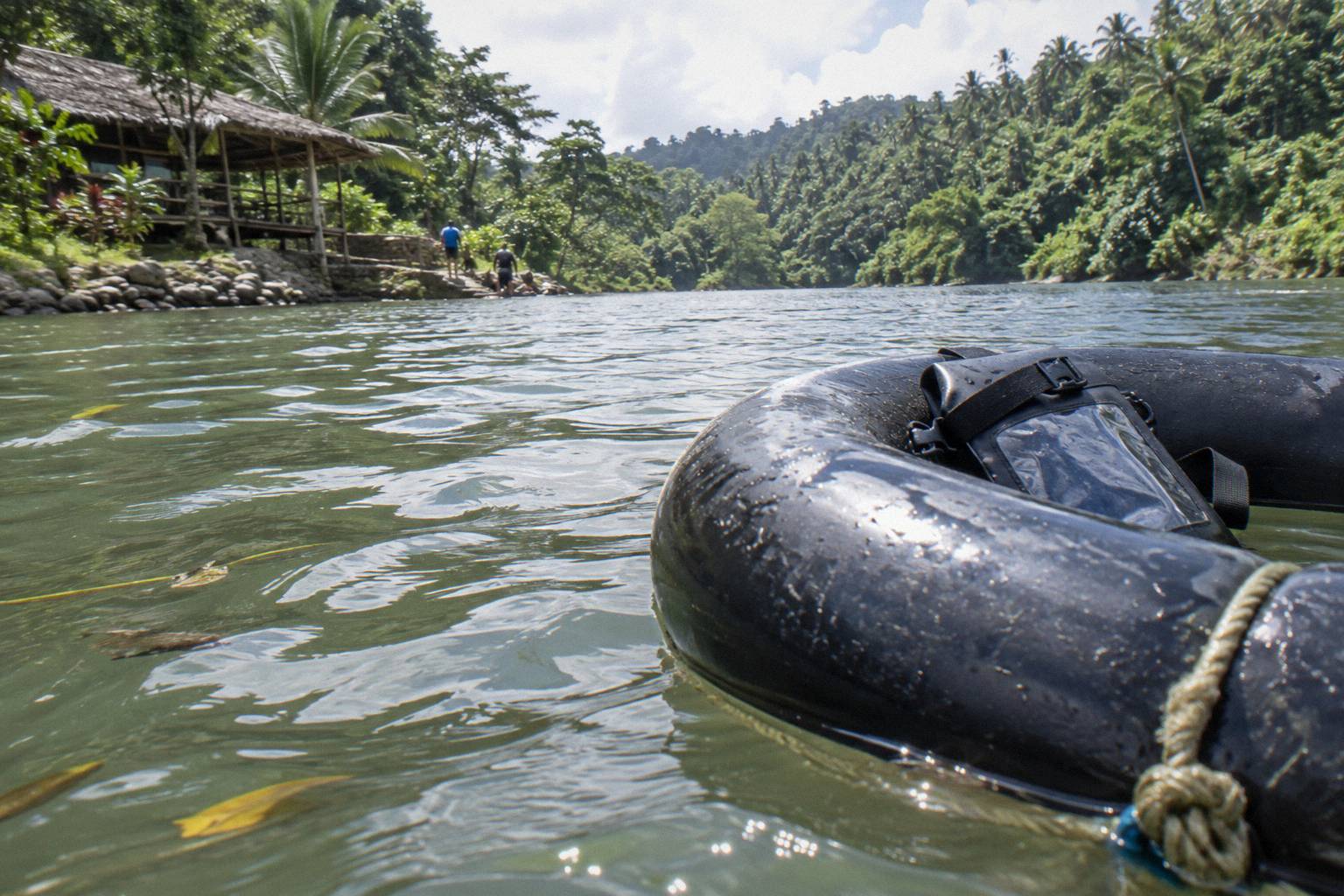
If you do bring a device, one line in the operator's terms does bear on the decision: the operator states it is not responsible for injuries or loss of belongings. That is standard adventure-tour wording, but it means the risk in your bag is yours. Between the photo package, that terms line, and the absence of any stated device policy, the practical reading is simple: assume anything on the river can get wet or lost, and act accordingly.
The questions around sun and skin are similar. The operator's list includes sunscreen, hats, water and towels, and that is everything stated on the subject. No medical or UV guidance appears in any source for this trip. If you want the broader picture of what a river day does to unprotected skin and how people manage it, the guide to whether you get sunburned river tubing covers the general question rather than this operator's trip.
How Does The Day Actually Unfold?
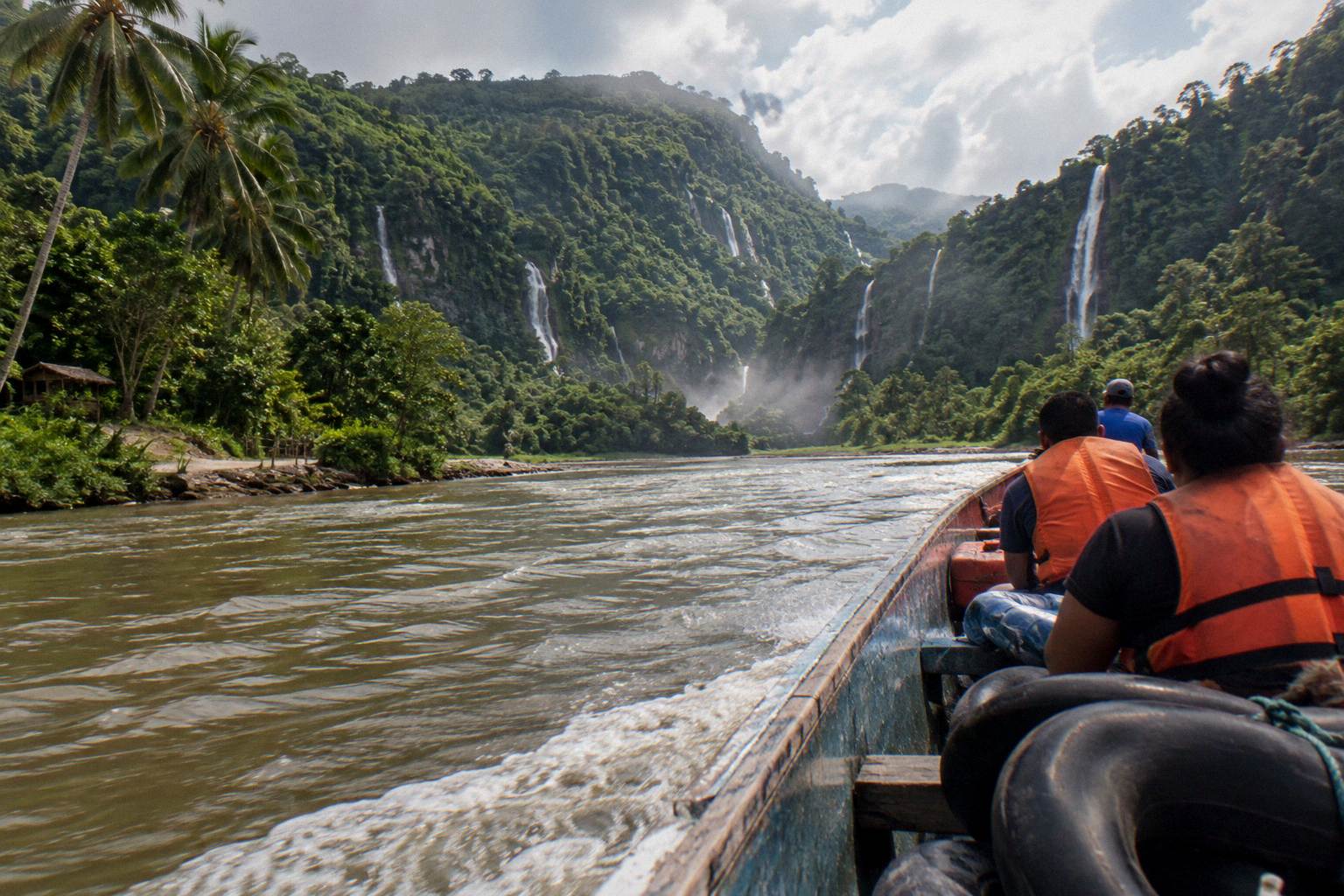
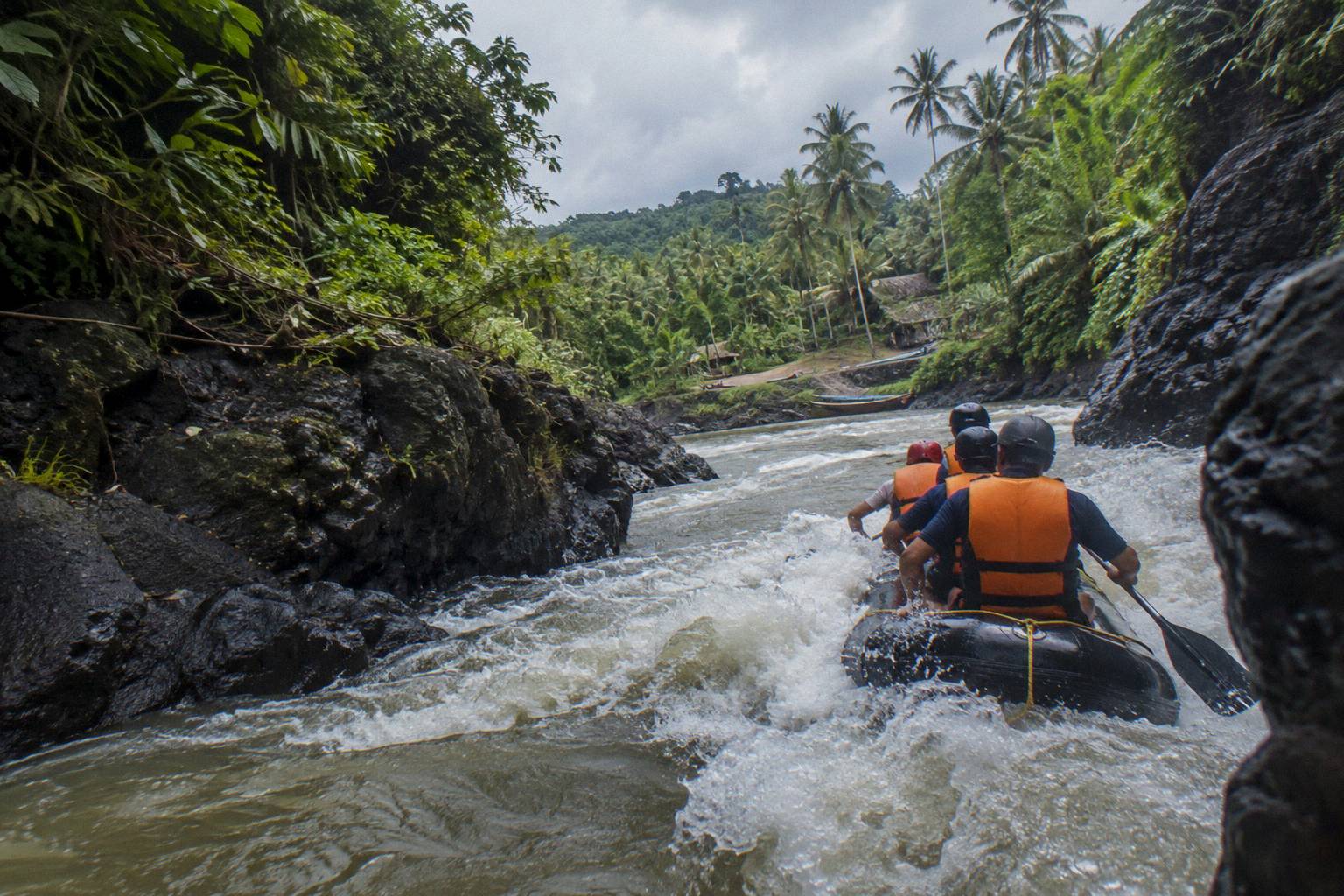
In the operator's stated order, the day runs: hotel pickup, welcome briefing and issue of life jackets and gear; a longboat ride upriver past greenery and waterfalls; a guided Fijian village visit; a waterfall swim; a riverside Fijian-style lunch with a vegetarian option on request; then tubing downriver through what the operator calls "gentle rapids." Every item on your packing list maps to one of those stages.
Water shoes or comfortable shoes are recommended on the booking listing, handy for getting in and out of tubes and walking riverbanks.
Packing for a day is easier when you can see the day. The itinerary above is the operator's own sequence, published on its home page, and it converts the packing list from a jumble into a schedule. Sunscreen and hat go on before the longboat. The sarong sits in the bag until the village. The towel and change of clothes wait until after the waterfall swim, which is the point in the day you get properly wet before the float even starts. Rain gear lives where you can reach it, because the boat ride passes through rainforest and the operator lists rain gear without any seasonal qualifier.
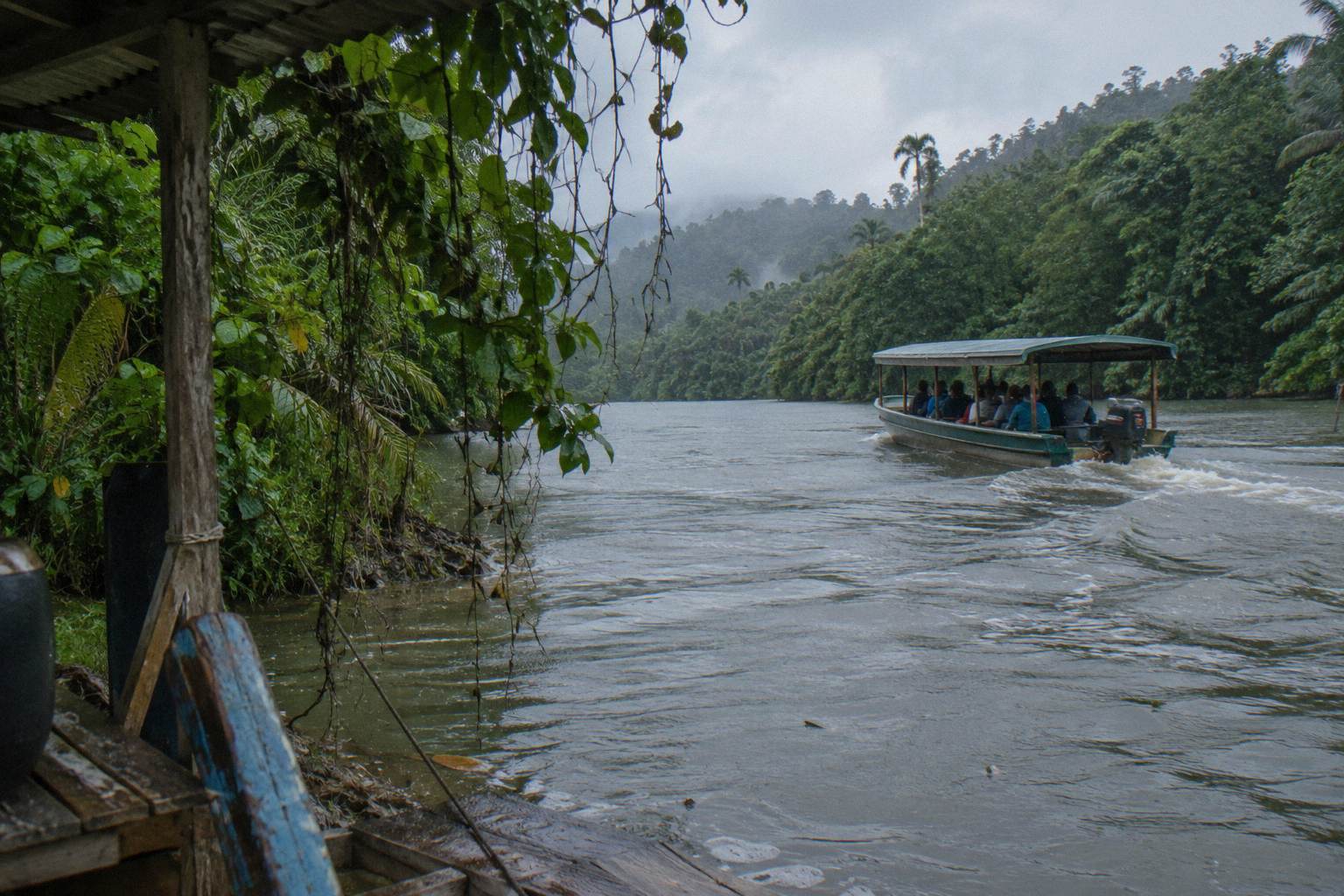
The mapping below ties each stage of the operator's stated itinerary to the items it calls for, which is the fastest way to check nothing has been left behind.
| Stage of the day (operator's order) | What you need at this stage |
|---|---|
| Hotel pickup and welcome briefing | Day pack packed, bottled water within reach |
| Longboat ride upriver | Sunscreen, hat, rain gear accessible |
| Guided Fijian village visit | Skirt or sarong for women |
| Waterfall swim | Water shoes, towel ready in the shuttle |
| Riverside Fijian-style lunch | Nothing; vegetarian option arranged at booking |
| Tubing downriver through gentle rapids | Life vest (provided and required), water shoes |
Tourism Fiji words the boat ride as a passage "through meandering rapids, passing cascading waterfalls, tropical rain forest and deep gorge," which is the national tourist body's description of the same stretch the operator describes more plainly. Traveller reports from late 2026 add that guides sing cultural songs during the tube float, a detail that comes from guest reviews rather than operator copy, so treat it as reported rather than promised. Nothing in any official source names the waterfall, grades the rapids, or identifies the put-in, and those gaps remain unfilled.
Duration matters for packing too, chiefly for how much water to bring. The main booking page shows a guided tour of about 5 hours with transfers on top; reviews from guests travelling from the Nadi and Wailoaloa side report roughly 3 hours each way by van, while Tourism Fiji describes Pacific Harbour and Suva as under an hour from the trip's base. All told, this is most of a day. If your starting point is the Coral Coast or further afield, the guide to how long the day runs from pickup works through the timings, and the Coral Coast to Navua River transfer options cover that route in detail.
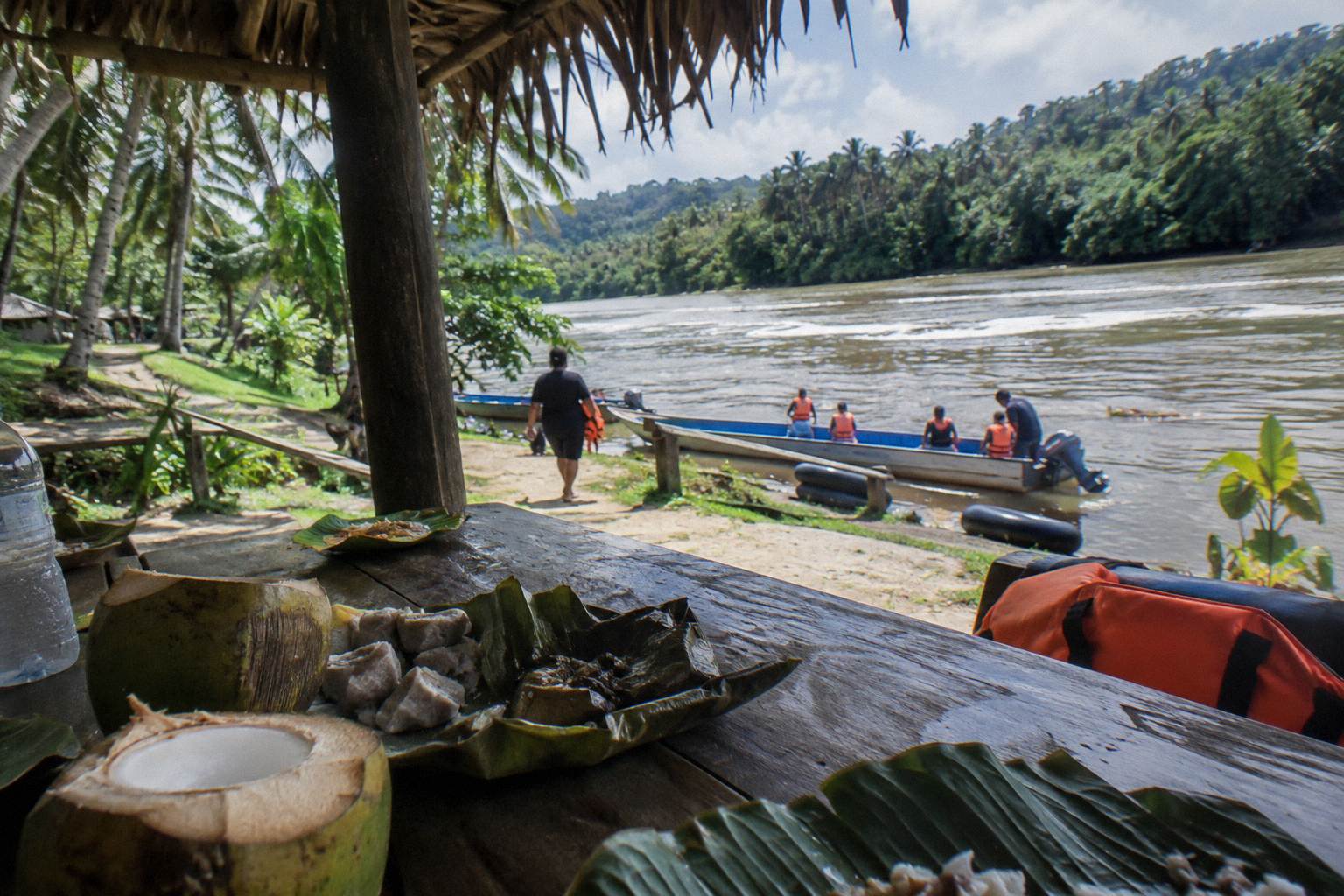
The lunch line deserves its own note for one group of readers: the operator states a vegetarian option is available on request. That request is made through the booking, not satisfied by your own packing, and the site's piece on vegetarian food on a river tubing day trip goes deeper for plant-based travellers.
What If The River Level Is Low?
The village visit is the one part of the day that can be dropped, and low water is the reason. The operator's home page states the visit is "temporarily excluded when low water levels make the additional journey unsafe," with the route reassessed on the day if rain restores safe conditions. The main booking page carries the same notice. Nothing else on the itinerary is flagged as conditional.
This notice is live on the operator's site right now, so the village stop cannot be promised. The geography explains the mechanics: the operator's notice places the waterfall approximately 12 km upriver and the village a further 5 km beyond it, so the village leg is the longest, shallowest detour on the route, and it is the first thing to go when the river drops. The waterfall swim and the tubing float are not covered by any equivalent notice.
For packing, the practical consequence is small but real: bring the sarong or skirt even in a dry spell, because the reassessment happens on the day and a booking made weeks earlier cannot know which way the river will sit. For broader questions about weather and the river, the piece on what happens to river tubing when it rains covers the wet end of the spectrum, and Fiji's general climate pattern, a warm, wet season from November to April and a cooler, drier May to October, is background rather than any operator promise.
One boundary worth knowing while you pack: the tubing route starts on the lower river at the Navua end. The famous Upper Navua Conservation Area, a Ramsar wetland site of 615 hectares designated in April 2006, whose gorge runs roughly 75 m deep and 5 to 25 m wide, is the upper-river rafting territory reached by the whitewater operator, not a stop on the tubing day. No official page states that the tubing trip enters it. That distinction shapes two different packing lists, and conflating the two trips is the most common mix-up on this river.
For travellers weighing the full-day upper gorge run against the tubing float, the rafting day is a different proposition from USD 212 per person with Rivers Fiji, and it deserves its own gear conversation with its own operator.
Who Is The Trip Not Suitable For?
The main booking page states the trip is not suitable for people with back problems or people with mobility impairments. The Navua River Tubing Day Tour page states its trip is not suitable for children under 6 or people with mobility impairments. No official minimum swimming standard, weight limit or pregnancy rule is stated anywhere, and none should be assumed; the policy is "not stated, ask the operator."
The distinction between a pricing rule and a safety minimum matters here, because it is routinely fudged. The operator's terms state that children aged 5 to 15 pay half price and must be accompanied by an adult, and that under 5s go free, with ID or a birth certificate possibly requested. That is a pricing structure, not a minimum age, and the main booking page prints no minimum age at all. The under-6 exclusion belongs only to the Bula Online listing. If you are planning around children, the site's guide to the age limits for river tubing untangles exactly this.
Packing and suitability meet in two places. First, the weak-swimmer instruction: the Navua River Tubing Day Tour page asks you to tell the team at booking if anyone is a weak swimmer, which is information you give at booking rather than something you pack. For the main trip's swimming question, the article on whether non-swimmers can go river tubing answers it. Second, the vest rule: every guest wears one, children are accompanied, and that is the whole of the stated safety apparatus, so no inflatable armbands or buoyancy toys need space in your luggage.
The operator's terms also carry the standard liability line that the operator is not responsible for injuries or loss of belongings. No safety statistics, incident figures or comparative safety claims exist in any source for this trip, and none will be invented here. What does exist is the operator's family story: River Tubing Fiji describes itself as a locally owned family business whose founder traces his descent to an Englishman who lived in the Namosi Highlands in the 1800s, and the business states it works with locally owned shuttle, boat and food providers and pays a user fee to native land owners for the village benefit. That is the operator's telling of its own history, offered here as exactly that.
Your Final Checklist Before Pickup
Run one last pass: sunscreen on, hat packed, towel and change of clothes in the bag, bottled water, rain gear within reach, sarong or skirt for the village, and water shoes on your feet. Life vests, tubes, boat, lunch and hotel pickup are all provided. Leave jewellery decisions, devices, alcohol and tipping questions to a message to the operator, because no stated policy exists for any of them.
The checklist below compresses everything above into a form you can screenshot, with each line carrying its source one final time. It is deliberately short, because the day itself is deliberately well provided for. The mistake to avoid is not underpacking, it is packing for a survival trip when you have booked a guided float with lunch.
| Check | Item | Why |
|---|---|---|
| Wear | Water shoes or comfortable shoes | Booking page footwear line; wet decks and river banks |
| Wear or pack | Sunscreen and hat | Operator's terms |
| Pack | Towel and change of clothes | Waterfall swim and the float |
| Pack | Bottled water | Operator's home page |
| Pack | Rain gear | Operator's terms, no seasonal qualifier |
| Pack | Skirt or sarong for women | Operator's terms for the village visit |
| Leave to the operator | Tube, life vest, boat, lunch, pickup | Provided on the main booking page |
| Ask, don't assume | Phones, cameras, jewellery, alcohol, tipping | Not stated in any source |
Booking channel changes one line on that list: cancellation terms. The booking pages for both tubing trips show free cancellation up to 24 hours in advance, while the operator's own direct terms run tiered fees of 100% within 24 hours, 50% between 24 and 48 hours, and no fee beyond 48 hours. Each is its own channel's policy, and the guide to how to book Navua river tubing compares them properly. The operator's own site prices in Australian dollars, so the USD from-prices you see on the booking pages, from USD 120 for the main trip and from USD 101 for the seven-hour day tour, are the channel figures to plan against.
For the trip in question, the River Tubing Fiji Navua River adventure is the featured listing, rated 4.8 across 181 reviews on the main booking page, and readers can check availability alongside it. If the packing list has settled the question and the choice is now which river day, this Pacific Harbour River Tubing site exists to answer exactly that.
Common Questions About What To Bring River Tubing
What Should I Bring River Tubing On The Navua?
Sunscreen, a hat, a towel, a change of clothes, water, rain gear and, for women, a skirt or sarong for the village visit, per the operator's terms, plus water shoes per the main booking page. Tubes, life vests, boat, lunch and hotel pickup are all provided.
Do I Need Water Shoes For River Tubing?
The main booking page lists comfortable shoes or water shoes, so treat them as the recommended footwear. The day involves wet boat decks, river banks and village paths, so secured footwear beats flip flops.
Can I Bring My Phone Or Camera On The River?
No stated policy exists on devices. The operator sells a photo package described as a "package of pictures," so devices need not get wet. Ask the operator directly about bringing your own, and note the terms line that the operator is not responsible for loss of belongings.
Do I Need A Sarong For The Village Visit?
The operator's terms state that "ladies need to bring a skirt or sarong for the village visit" on the River Tubing Fiji trip. The Navua River Tubing Day Tour, a different provider's listing, additionally states hats, bare shoulders and bare knees are not permitted in the village. Pack for the trip you booked.
What If The Village Visit Is Cancelled?
The operator's home page carries a live dry-spell notice: the village visit is "temporarily excluded when low water levels make the additional journey unsafe," and the route is reassessed on the day if rain restores safe conditions. Bring the sarong anyway; the decision is made on the day.
Is Jewellery, Alcohol Or Tipping Covered By Any Rule?
No. No stated policy on jewellery, alcohol or tipping was found in the operator's terms or the booking pages. Not stated; ask the operator.