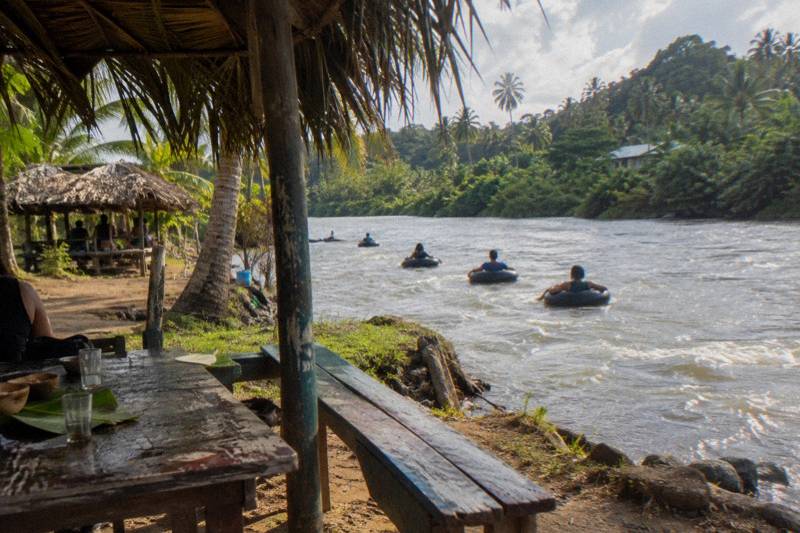
What Should You Wear When Tubing In Fiji?
What to wear for Navua River tubing in Fiji: the operator's own clothing and footwear list, village visit dress rules, life vests, hats and rain gear, with no invented fabric advice.
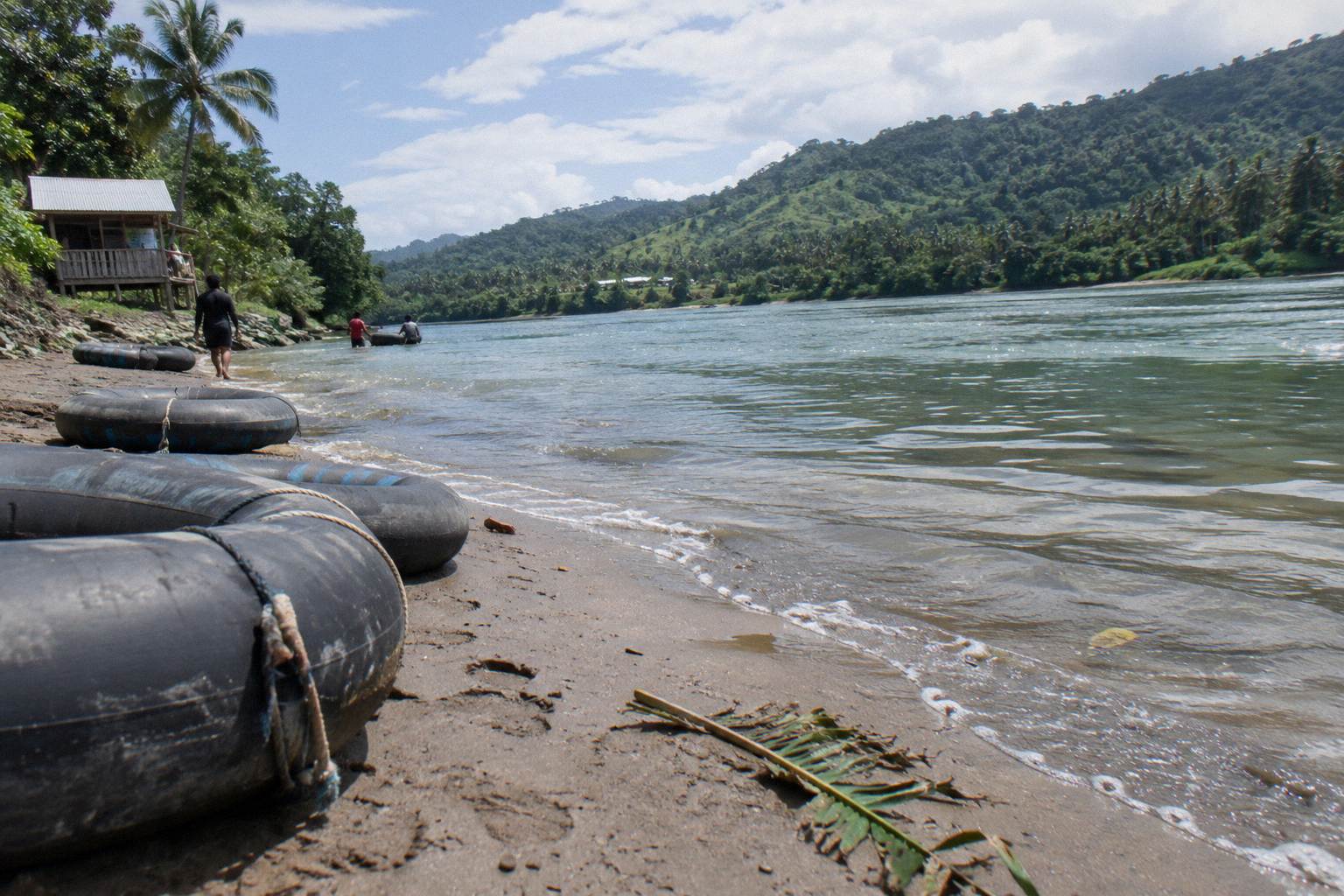
What Should You Wear When Tubing?
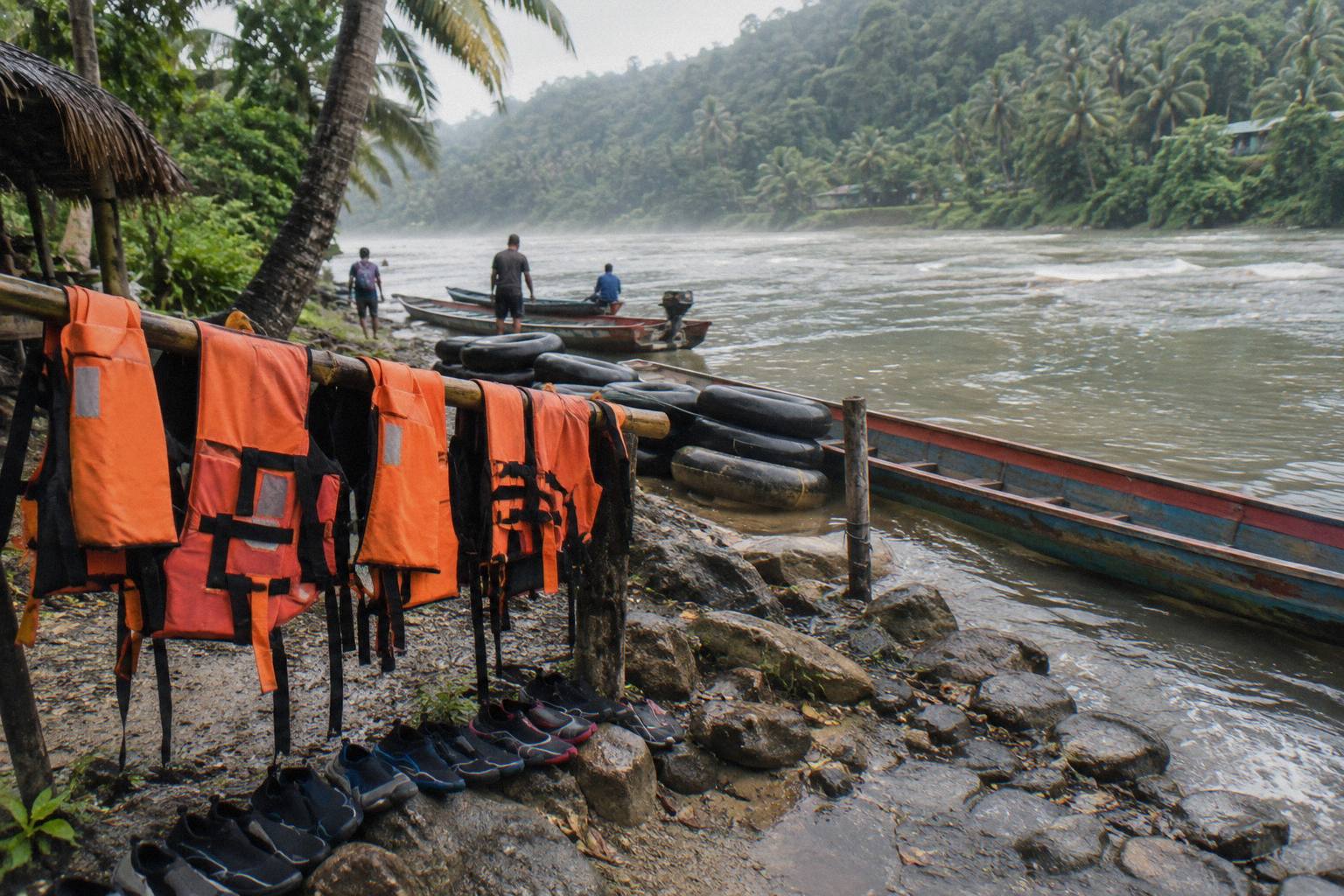
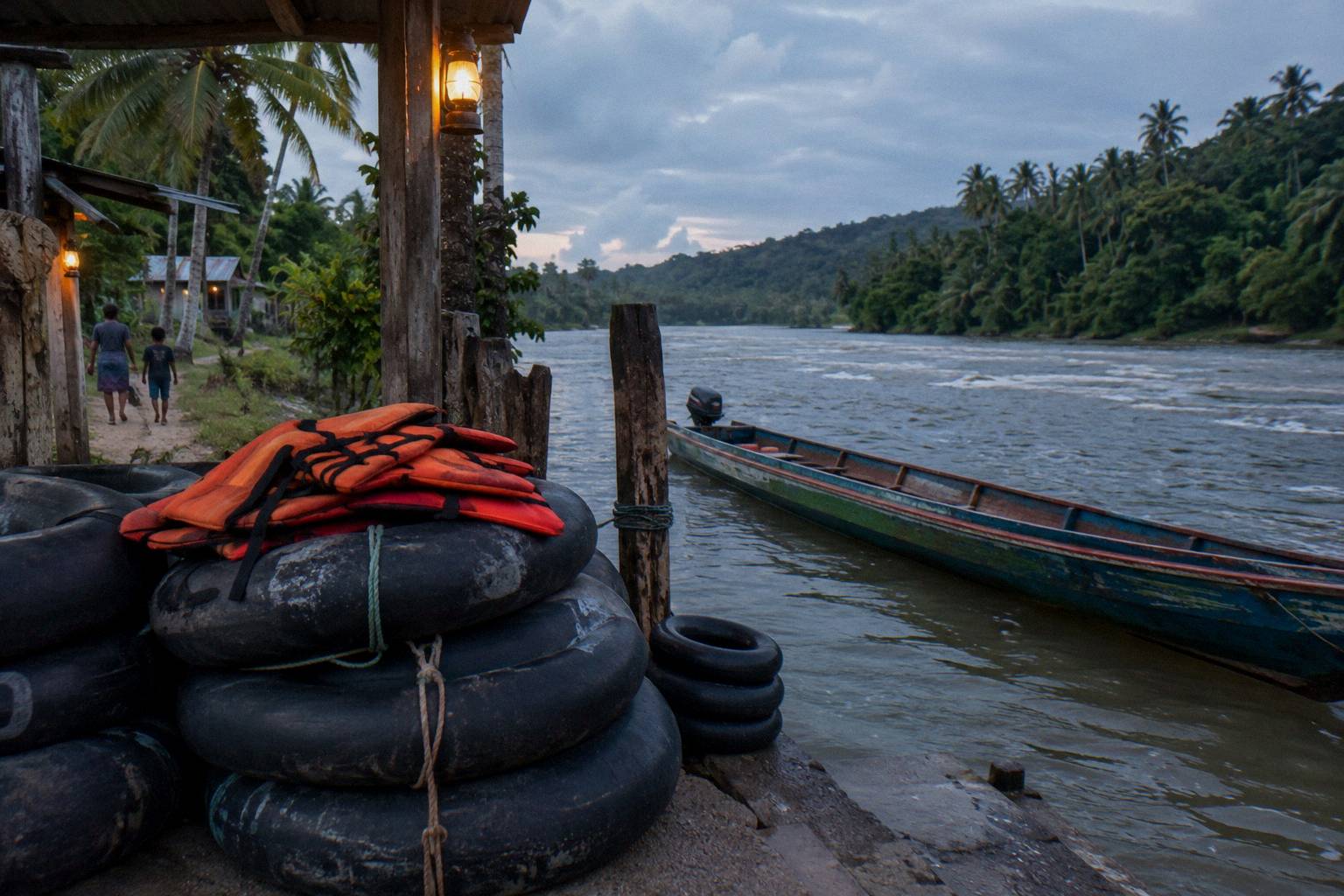
For the Navua River tubing day, the operator's stated list covers hats, sunscreen, towels, a change of clothes, water, rain gear, and for women a skirt or sarong for the village visit, plus comfortable shoes or water shoes on the main booking page. A life vest is provided and everyone on the water wears one. Bring a great attitude, in the operator's own words.
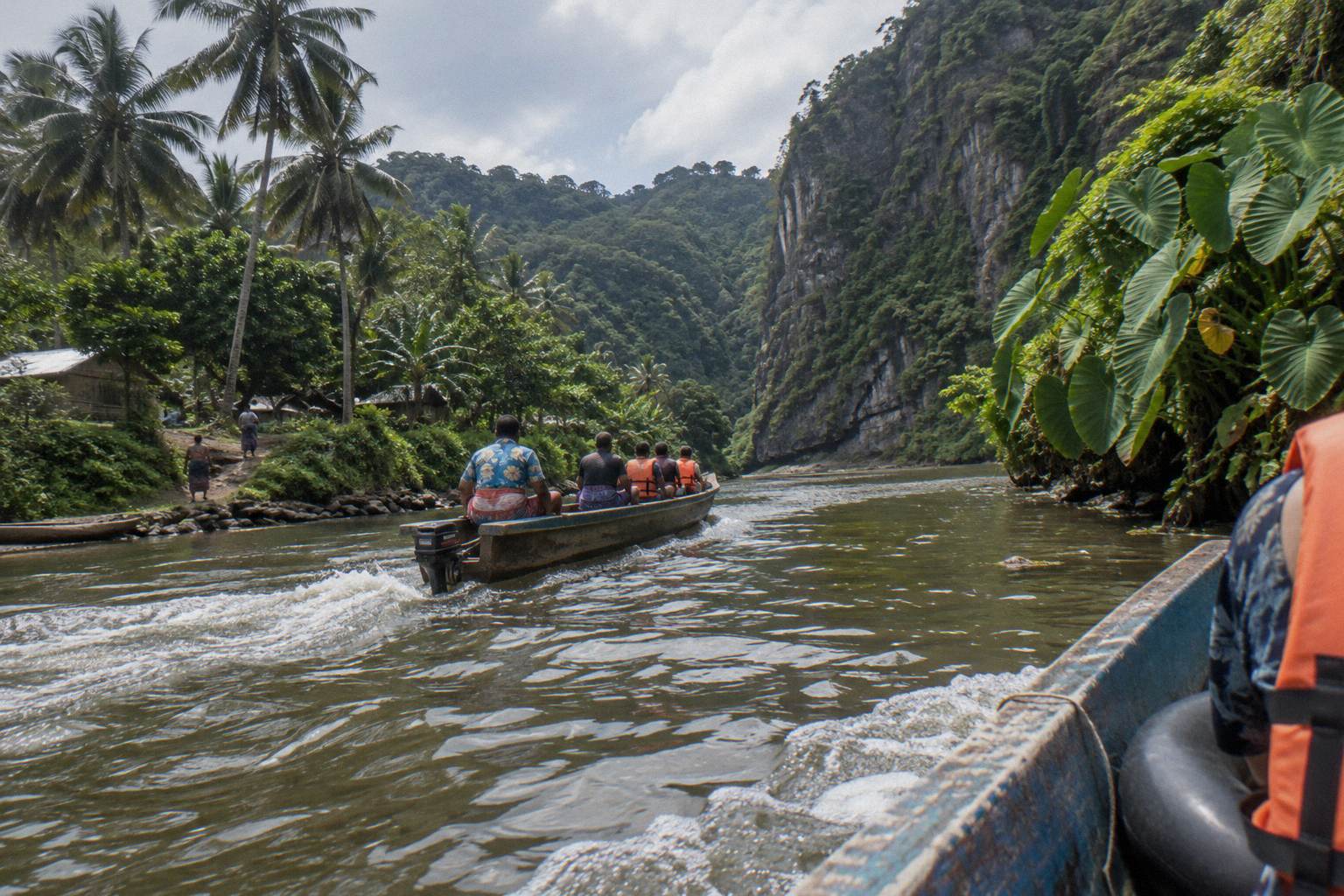
That list comes straight from River Tubing Fiji's published terms and booking pages, not from a generic packing guide, and it is worth taking seriously because the day has three distinct phases with three different dress codes. You sit in a van or coach for the transfer, you ride a longboat upriver and float back down on a tube, and, river levels permitting, you walk through a Fijian village where covering up matters. One outfit has to serve all three.
The good news is that almost nothing technical is demanded of you. The tube, the life vest and the safety equipment are supplied on both Navua tubing products on the roster. Your own clothing choices are about comfort in the sun, warmth after the swim stop, and respect inside the village, in that order. Getting those three right is the whole job.
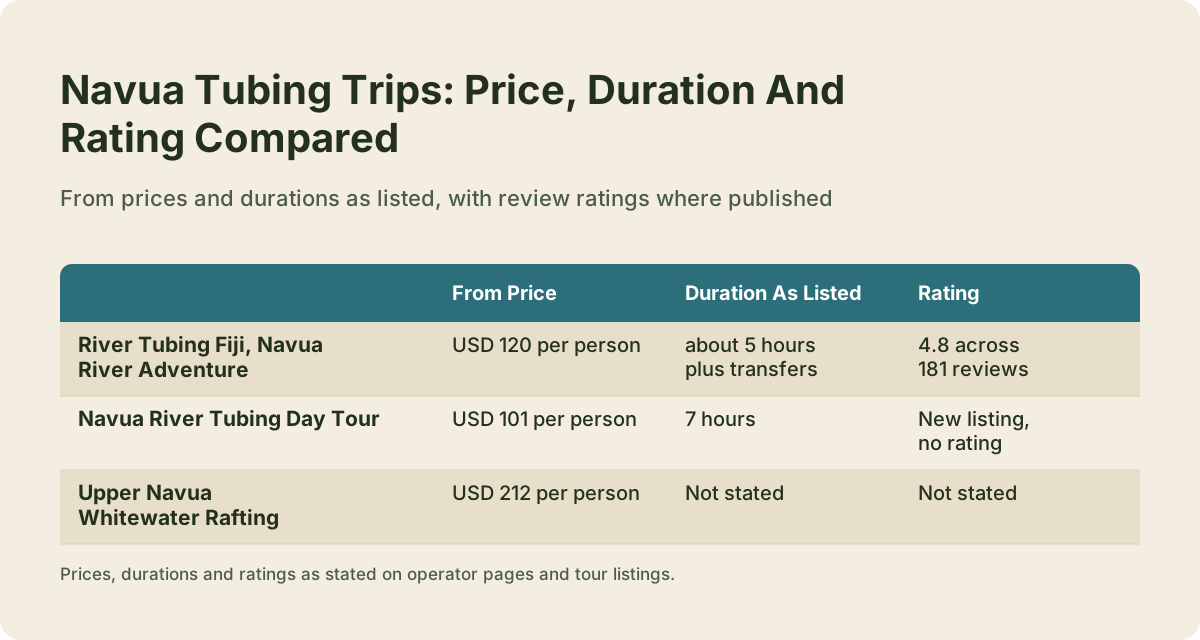
There are now two tubing products on the Navua and their stated rules are not identical. River Tubing Fiji's trip (from USD 120 per person, rated 4.8 across 181 reviews on the main booking page) states the sarong rule in its terms and adds comfortable shoes or water shoes on the booking page. The Navua River Tubing Day Tour (from USD 101, a new listing with no rating yet) goes further on village dress, so it pays to know which trip you have actually booked before you pack the bag.
What Are The Village Dress Rules?
These are the most quoted and most confused clothing rules on the Navua, so it is worth being precise about the sourcing. The skirt or sarong line appears in River Tubing Fiji's own terms and conditions, on the same page as the rest of the what-to-bring list. The stricter sounding rule, no hats, no bare shoulders, no bare knees in the village, appears on the Navua River Tubing Day Tour listing, a separate product sold by Bula Online Fiji Tours and Watersports. Nothing official suggests the two companies share a dress policy.
For practical purposes, a sarong or a light skirt that can be pulled on over swimwear solves both trips at once, and the men in the group are not exempt on the day tour, where bare knees are listed as not permitted. Longer shorts or trousers cover it. The main booking page for River Tubing Fiji carries the same practical intent with a lighter touch, and a sarong weighs nothing in a dry bag.
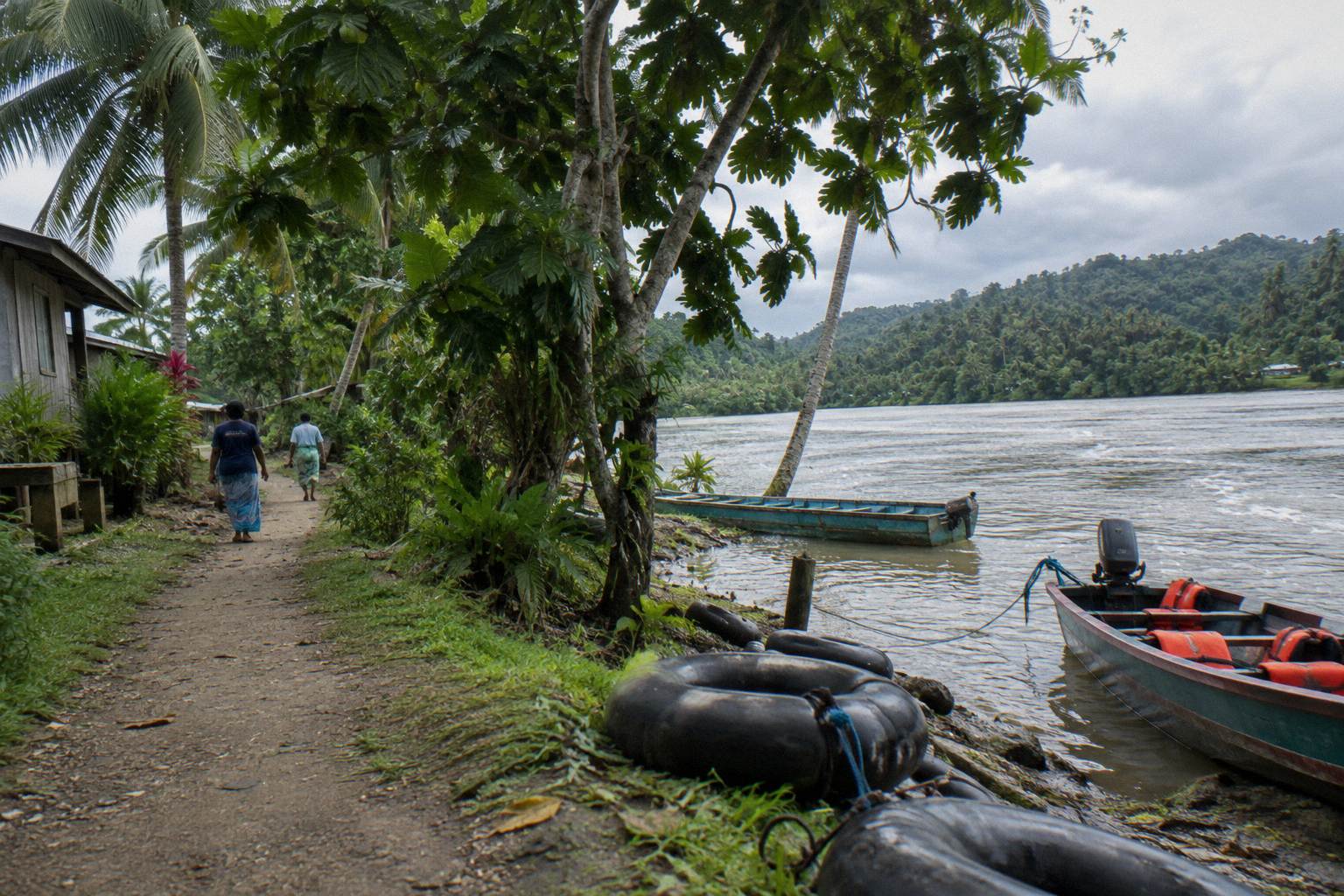
One caveat that matters more than any fabric choice: the village visit itself is conditional on the river. The operator's home page carries a dry-spell notice stating the visit is temporarily excluded when low water levels make the additional journey unsafe, and the route is reassessed on the day if rain restores safe conditions. The main booking page says the same. So pack the sarong regardless, because the decision is made on the water, not at booking. If you want the fuller picture of the day's sequence, the Navua River tour itinerary guide walks through each stage.

Here is how the two trips' stated rules compare, using only what each source actually says:
| Dress rule | Where it is stated | Which trip it applies to |
|---|---|---|
| Ladies need to bring a skirt or sarong for the village visit | Operator's terms and conditions | River Tubing Fiji, Navua River Adventure |
| Hats, bare shoulders and bare knees not permitted in the village | Day tour listing | Navua River Tubing Day Tour |
| Life vest must be worn by all tubing guests | Operator's Safety First page | River Tubing Fiji |
| Comfortable shoes or water shoes recommended | Main booking page | River Tubing Fiji, Navua River Adventure |
Because the village stop is the reason for the strictest clothing rule on the river, and because the trip is booked as a single day, this is also the natural moment to lock in your date.
Do You Need Water Shoes?
The main booking page for River Tubing Fiji lists comfortable shoes or water shoes, and that is the only official footwear guidance on either trip. There is no stated requirement for a specific shoe type, no brand, and no rule about going barefoot on the tube. Choose shoes that stay on your feet and that you are happy to get wet.
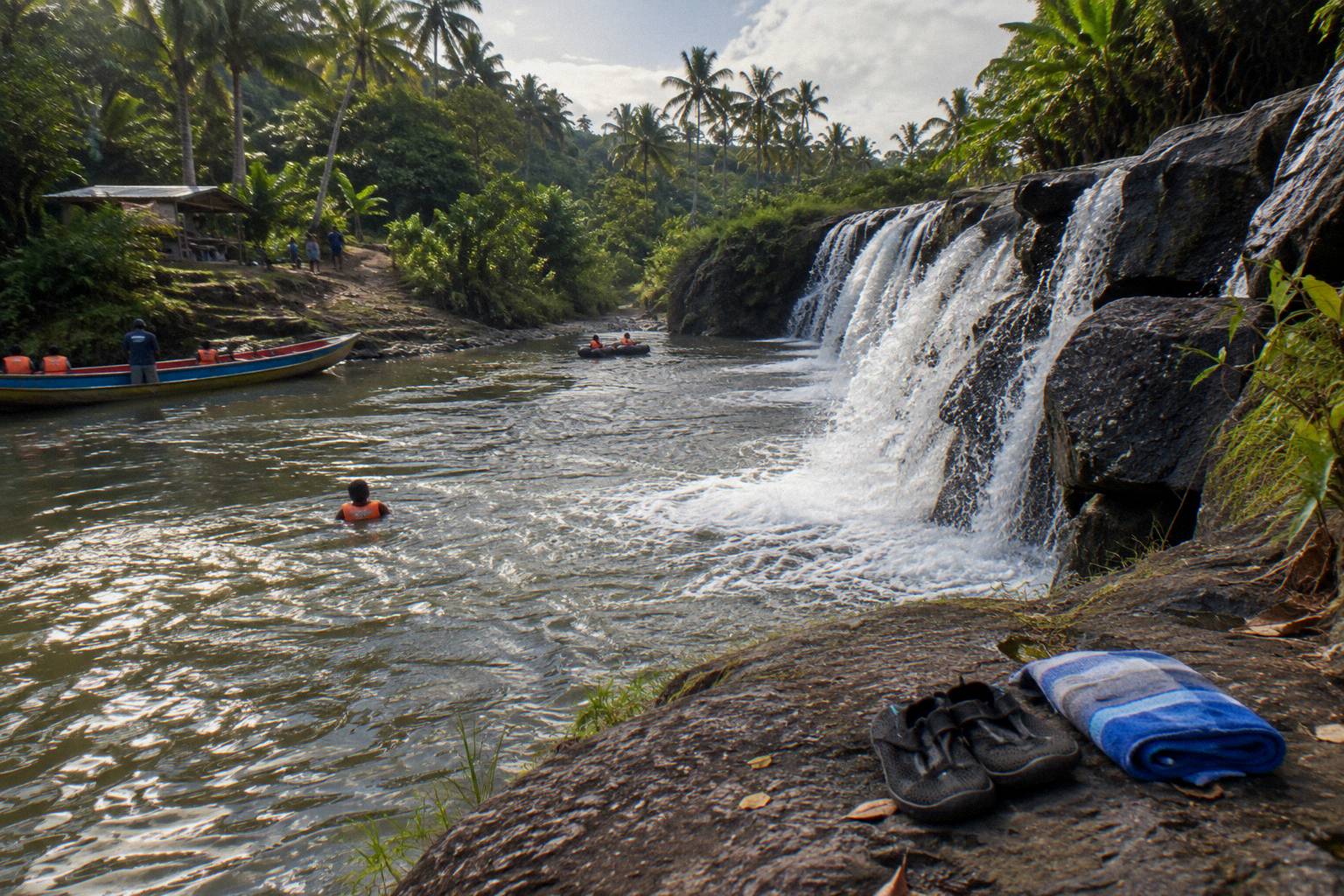
The reason footwear earns its own section is the terrain at the stops. You will step from boat to bank, walk a village path if the visit runs that day, and stand on river stones around the waterfall swim stop. The waterfall sits roughly 12 kilometres upriver from the start at Navua, and the village a further 5 kilometres beyond that, so there is genuine walking involved at both stops, not just a scramble from boat to tube. Comfortable shoes or water shoes, in the booking page's own phrasing, covers all of it.
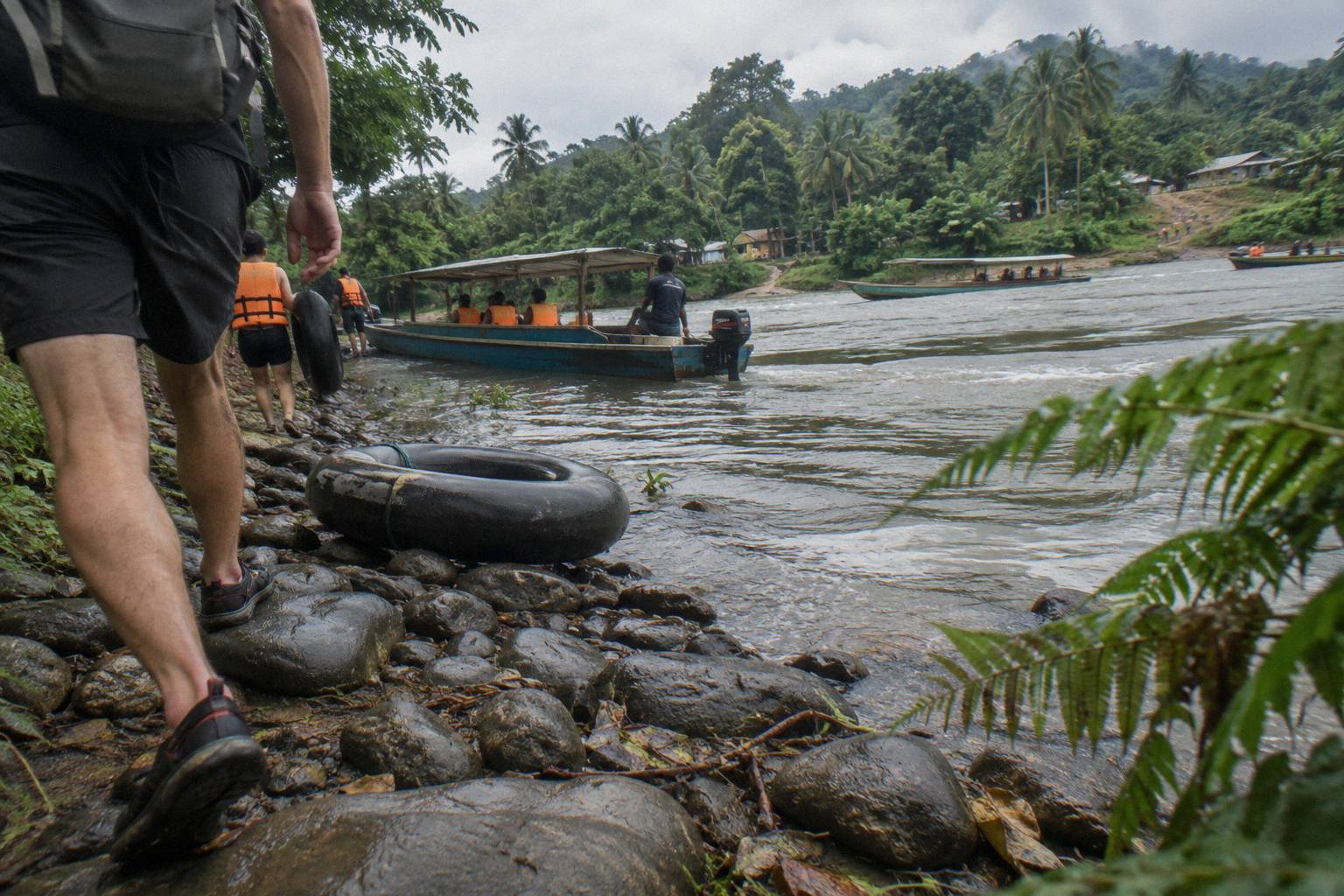
What the sources do not say is just as important. Neither listing bans sandals, neither requires closed toes, and neither mentions socks. The listings set no official minimum standard, so treat any stronger advice about grip soles or straps as general river wisdom rather than an operator rule. The one hard rule is the life vest, which the operator's Safety First page states must be worn by all tubing guests.
For the full packing picture beyond clothing and footwear, the site's what to bring river tubing guide covers towels, water and rain gear in more depth, while clothing and footwear stay the sole focus.
What About Sun, Hats And Rain?
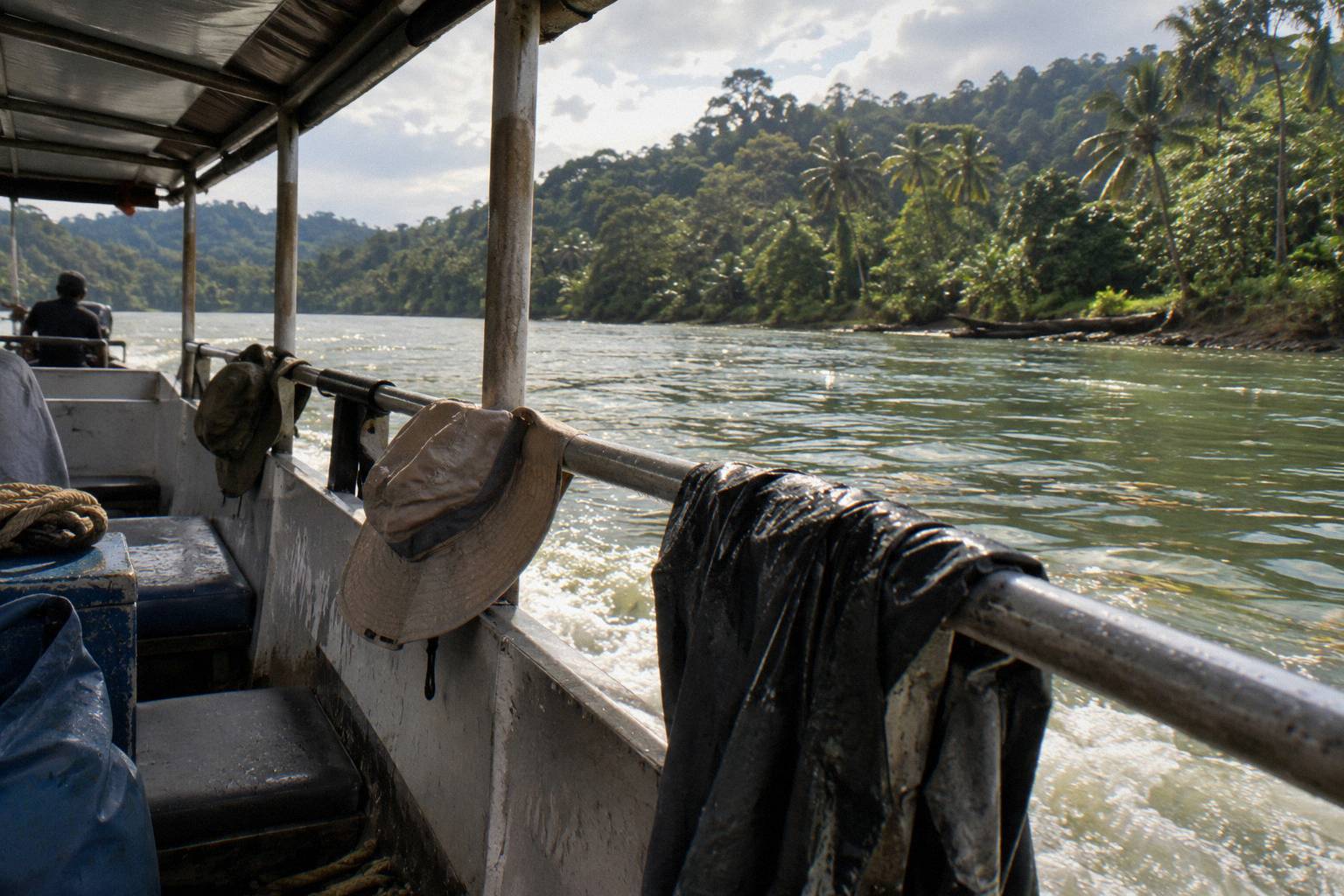
The operator's list includes sunscreen, hats, water, towels and rain gear, and that is the full extent of what is officially stated about weather protection. No UV claims, no heat warnings and no fabric advice appear anywhere in the operator's materials. Bring the hat and the sunscreen because you will be on open water for hours, and bring rain gear because the day runs in all weather.
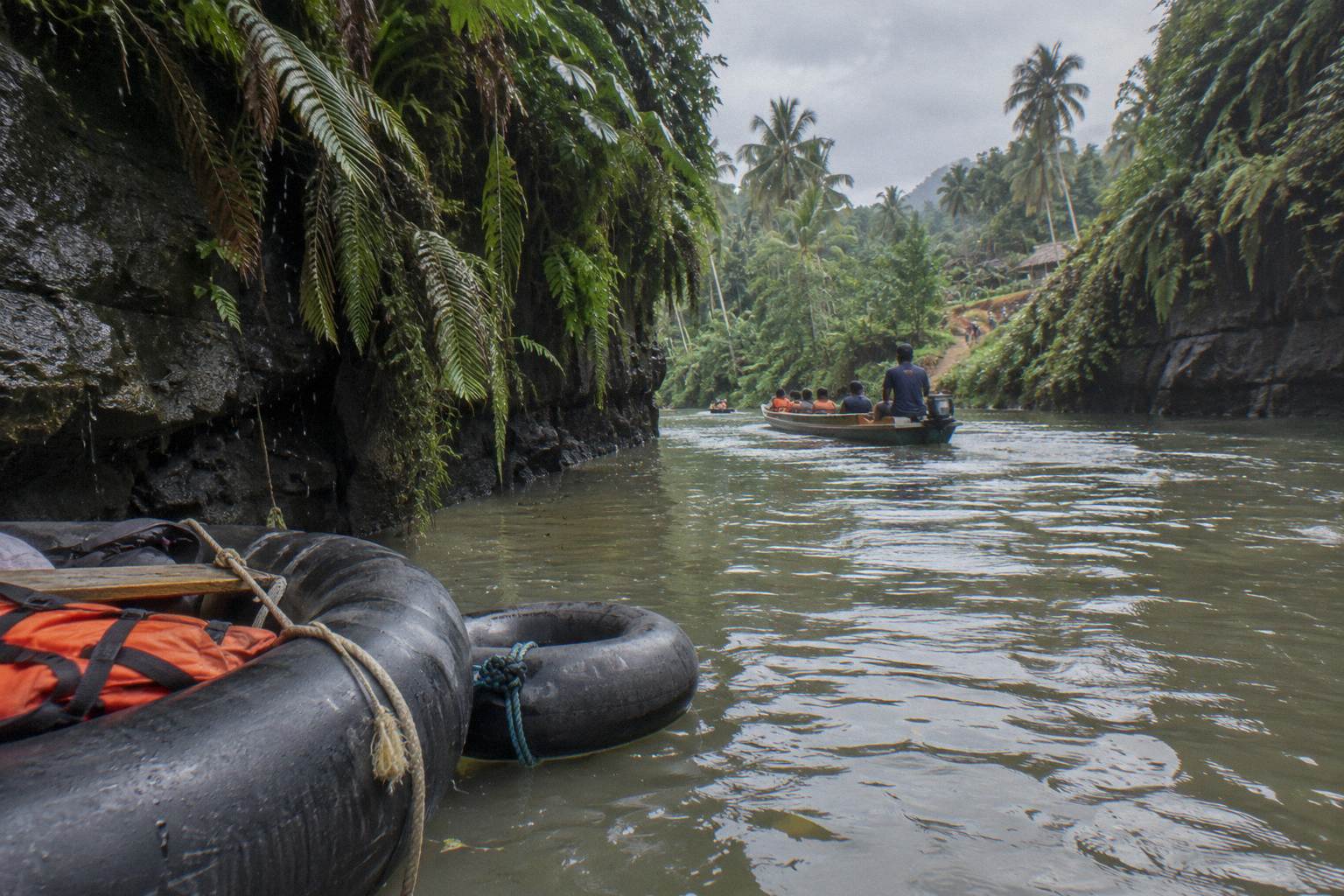
The reasoning is simple arithmetic rather than marketing. The tube float and the longboat ride happen in the open, on a river flanked by rainforest, in a country whose warm, wet season runs November to April and whose cooler, drier stretch runs May to October. Those season names come from Fiji's general climate pattern, not from any operator promise, and trips run across both. A hat that will not blow off in the boat, sunscreen applied before pickup, and a light rain layer in the bag cover the stated list without inventing anything beyond it.
Towels and a change of clothes are on the operator's list for the obvious reason: there is a waterfall swim stop and a river float, and you then sit in a vehicle for the transfer back. The operator's home page adds bottled water to the list. Reviewers coming from Nadi and Wailoaloa report roughly three hours each way by van, which is a long ride in wet clothes if you skip the change.
The cleanest way to hold the whole weather question in your head is to split the day into its actual segments:
| Part of the day | Stated items that serve it | Source |
|---|---|---|
| Transfers by road | Change of clothes, towel | Operator terms |
| Longboat ride upriver | Hat, rain gear, water | Operator terms and home page |
| Village visit | Skirt or sarong (women), on the stated trip | Operator terms |
| Waterfall swim | Towel, change of clothes | Operator terms |
| Tube float back down | Sunscreen, hat, water shoes or comfortable shoes | Operator terms and booking page |
Can You Take Phones, Cameras Or Jewellery?
No official policy on phones, cameras, jewellery, alcohol or tipping is stated anywhere on either listing or the operator's site: not stated; ask the operator. What is stated is that the operator sells a photo package, described as a package of pictures, so your own devices need not get wet, and the terms say the operator is not responsible for injuries or loss of belongings.
That combination answers most of the question without any speculation. If a photo package exists, the pressure to carry your own phone down the river drops away, and if the terms disclaim responsibility for lost belongings, the case for leaving anything precious in the hotel safe gets stronger. Neither listing says a waterproof bag is banned or required, and neither says jewellery must come off, so treat every specific claim beyond the two stated facts as unverified.
The safety rules that do exist are about the person, not the accessories. The operator's own Safety First page states that all tubing guests must wear a life vest and that all children must be accompanied by an adult. The main booking page adds that the trip is not suitable for people with back problems or mobility impairments. The day tour listing states it is not suitable for children under 6 or people with mobility impairments, and asks you to tell the team at booking if anyone in your group is a weak swimmer.
For readers weighing the whole question of devices on the water, the site's phones and cameras while tubing post goes deeper, and the same gap applies there: the operator has not published a device policy, so ask before you go.
What Should Children Wear?
Children 5 to 15 pay half price on River Tubing Fiji's trip and must be accompanied by an adult, with under 5s free and ID or a birth certificate possibly requested, per the operator's terms. There is no stated separate dress code for children. On the day tour, the listing states the trip is not suitable for children under 6.
That half price line is a pricing rule, not a safety minimum, and it is worth keeping the two apart. No minimum age for the tubing float itself appears on the operator's site, and the day tour's under 6 line is that listing's own restriction. What clothing guidance exists applies to everyone on the boat: life vests for all, the same sun and rain list, and the same village dress rules if the visit runs. A child old enough for the trip needs the same hat, the same sunscreen, the same shoes, and the same dry clothes waiting at the end.
The accompaniment rule matters for how you dress the group in practice, since a parent in the water with a child is also a parent managing two sets of gear. One adult per child on the float, per the Safety First page, shapes how much you can carry and how you split the bag. Families planning the wider day may also find the age limits for river tubing post useful, because it keeps the pricing ages and the suitability ages separate, which most summaries blur.
Does What You Wear Change Between The Tubing Trips?
Yes, slightly, and only in the village rules. River Tubing Fiji's stated list is hats, sunscreen, towels, a change of clothes, water, rain gear, a skirt or sarong for women for the village, and comfortable shoes or water shoes. The day tour listing states the same practical kit but adds explicit village bans on hats, bare shoulders and bare knees, and it is a longer day at 7 hours.
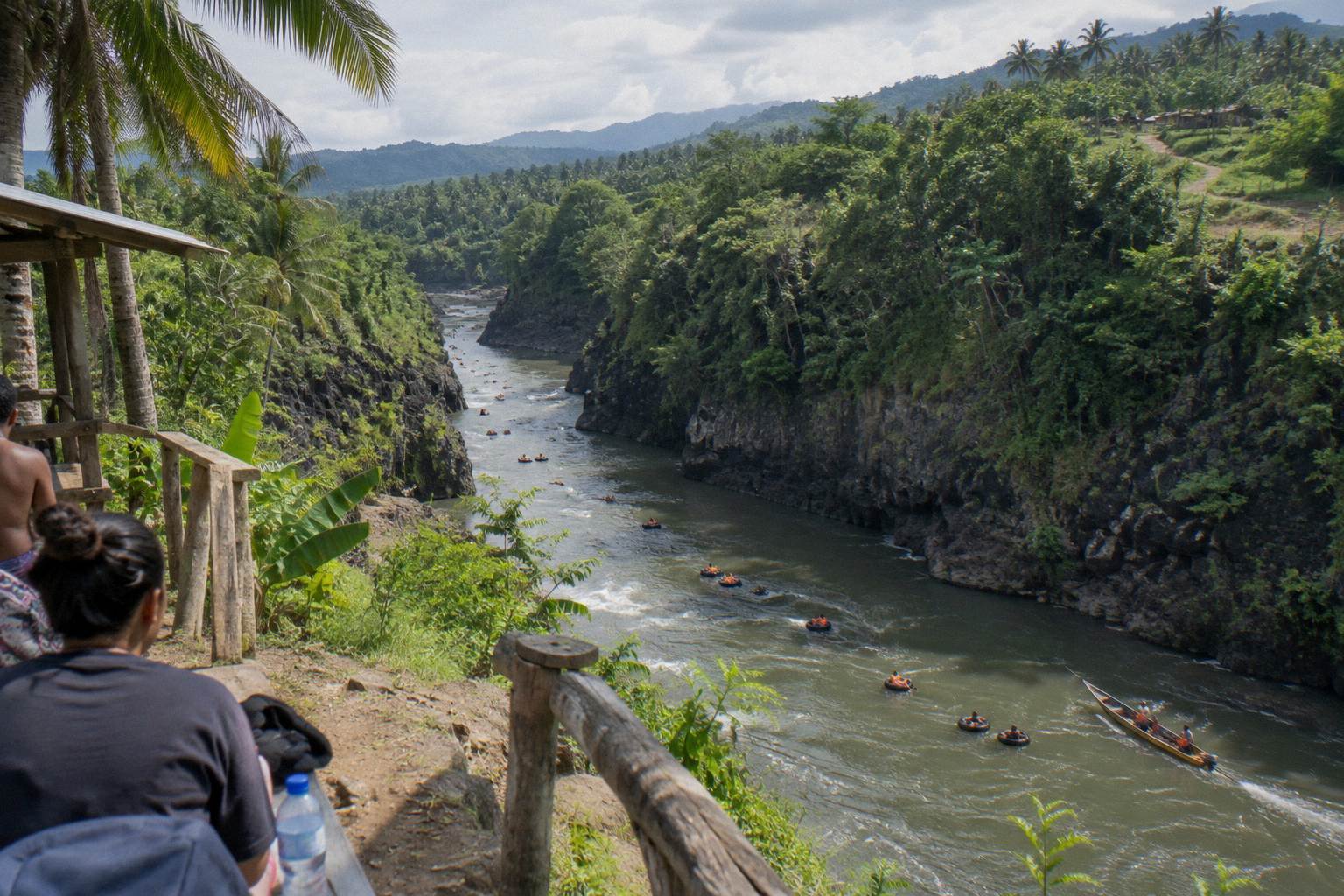
The duration difference shapes your clothing more than any rule does. The main booking page shows a guided tour of about 5 hours plus transfers, while the Navua River Tubing Day Tour is listed at 7 hours, and both include a lunch, a waterfall swim and the tube float. A longer day on the water means the change of clothes, the towel and the rain layer earn their space in the bag twice over. Neither trip is a half hour paddle; both are most of a day once transfers are counted, and from Nadi reviewers report around 3 hours each way.
Both listings carry free cancellation up to 24 hours in advance, so a clothing mistake noticed the night before is fixable. The differences worth remembering are these:
| River Tubing Fiji, Navua River Adventure | Navua River Tubing Day Tour | |
|---|---|---|
| From price | USD 120 per person | USD 101 per person |
| Duration as listed | Guided tour about 5 hours, plus transfers | 7 hours |
| Rating | 4.8 across 181 reviews on the main booking page | New listing, no rating |
| Village dress stated | Skirt or sarong for women | No hats, bare shoulders or bare knees |
| Footwear stated | Comfortable shoes or water shoes | Not stated |
| Suitability notes | Not for back problems or mobility impairments | Not for under 6s or mobility impairments |
A note for readers considering the bigger-water option: the Upper Navua Whitewater Rafting trip from Rivers Fiji, from USD 212 per person, is a different animal on a different stretch of river, the protected upper gorge, and its listing states no age, weight or fitness rules, so its clothing question is its own conversation. Tubing keeps to what the operator calls gentle rapids on the lower river. The operator's terms page remains the primary source for all clothing advice on the trip.
A Final Wear Checklist For The Navua
Wear or pack: a hat, sunscreen applied, comfortable shoes or water shoes, swimwear under quick cover for the village, a skirt or sarong if you are a woman on the stated trip, a towel, a change of clothes, rain gear and bottled water. The life vest is provided and compulsory. Everything else, from jewellery policy to phone bags, is not stated; ask the operator when booking.
“Had the most amazing time. Peter our guide was the best, he told us so many stories about his village & he ensured we had the best time white water rafting. A must do when you visit Fiji, is absolutely beautiful & adventurous! Thanks Peter!! Morne and Dan!”
That checklist is the operator's own list reorganised into the order you will actually use it, and nothing in it requires speciality gear. It is also the list that Pacific Harbour River Tubing readers ask about most often, because the village sarong rule catches people by surprise while the water shoes rarely do. Tourism Fiji's own pages describe river tubing on the Navua as the gentler option among the river's activities, which is consistent with an ordinary-clothes day rather than a technical one, as the Pacific Harbour destination page makes clear.
If the day tour is your pick, remember its explicit village rule covers everyone in the group, not just women, so the sarong and the longer shorts both go in the bag. And if rain is forecast, that is not a cancellation: the operator may amend a trip for river or weather conditions, and if the operator cancels for river conditions the terms promise a full refund or a reschedule. Dress for the weather you have, pack for the village either way, and let the river decide the rest.
Common Questions About What To Wear When Tubing
What Should You Wear When Tubing?
Wear a hat, sunscreen, comfortable shoes or water shoes, and swimwear you can cover for the village, with a towel, a change of clothes, rain gear and bottled water packed. Women on River Tubing Fiji's trip need a skirt or sarong for the village visit, and the day tour bans hats, bare shoulders and bare knees there. A life vest is provided and must be worn by everyone.
Do I Need A Sarong For The Village Visit?
On River Tubing Fiji's trip, yes for women: the operator's terms state that ladies need to bring a skirt or sarong for the village visit. On the Navua River Tubing Day Tour, the listing instead states that hats, bare shoulders and bare knees are not permitted in the village. Pack a sarong either way, since the visit itself depends on river level that day.
Can I Wear Flip Flops Or Sandals?
No footwear type is banned or required beyond the main booking page's advice of comfortable shoes or water shoes. Neither listing states a rule about sandals, straps or closed toes. Pick something that stays on your feet for the bank, the village path and the stones around the waterfall swim.
Should I Bring My Phone On The Tube?
No official policy on phones or cameras is stated anywhere: not stated; ask the operator. The operator sells a photo package, described as a package of pictures, so devices need not get wet, and the terms state the operator is not responsible for loss of belongings.
What Do Children Wear And Is There A Minimum Age?
There is no separate stated dress code for children; the same list and the same compulsory life vest apply. Children 5 to 15 pay half price on River Tubing Fiji's trip, under 5s are free, and all children must be accompanied by an adult. The day tour listing states its trip is not suitable for children under 6.
Does The Dress List Change If It Rains?
The list already includes rain gear, and trips run across Fiji's seasons. The operator may amend or cancel a trip for river or weather conditions, and if the operator cancels for river conditions the terms promise a full refund or a reschedule. Rain itself is not a stated reason to dress differently beyond bringing the rain gear already on the list.