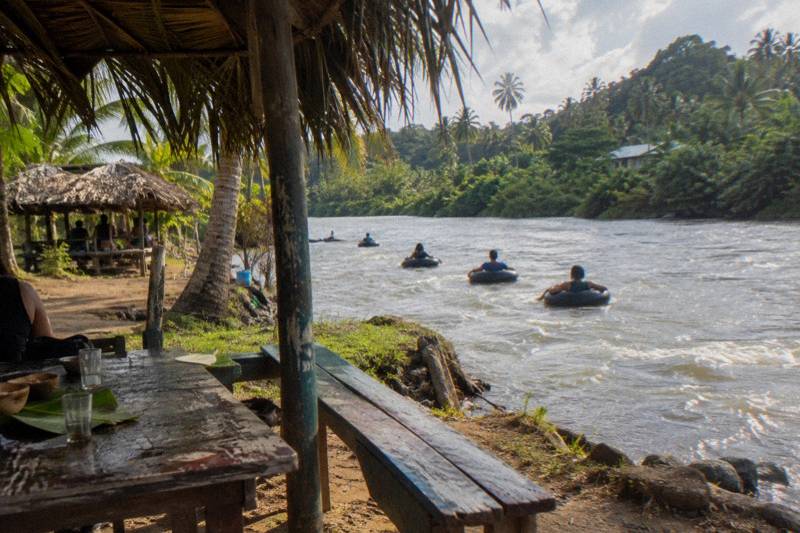
Can I Take My Camera Or Phone On The River?
No phone or camera policy is stated for Navua River tubing: what the operator actually publishes, the photo package it sells, and what to do with devices on a river day.
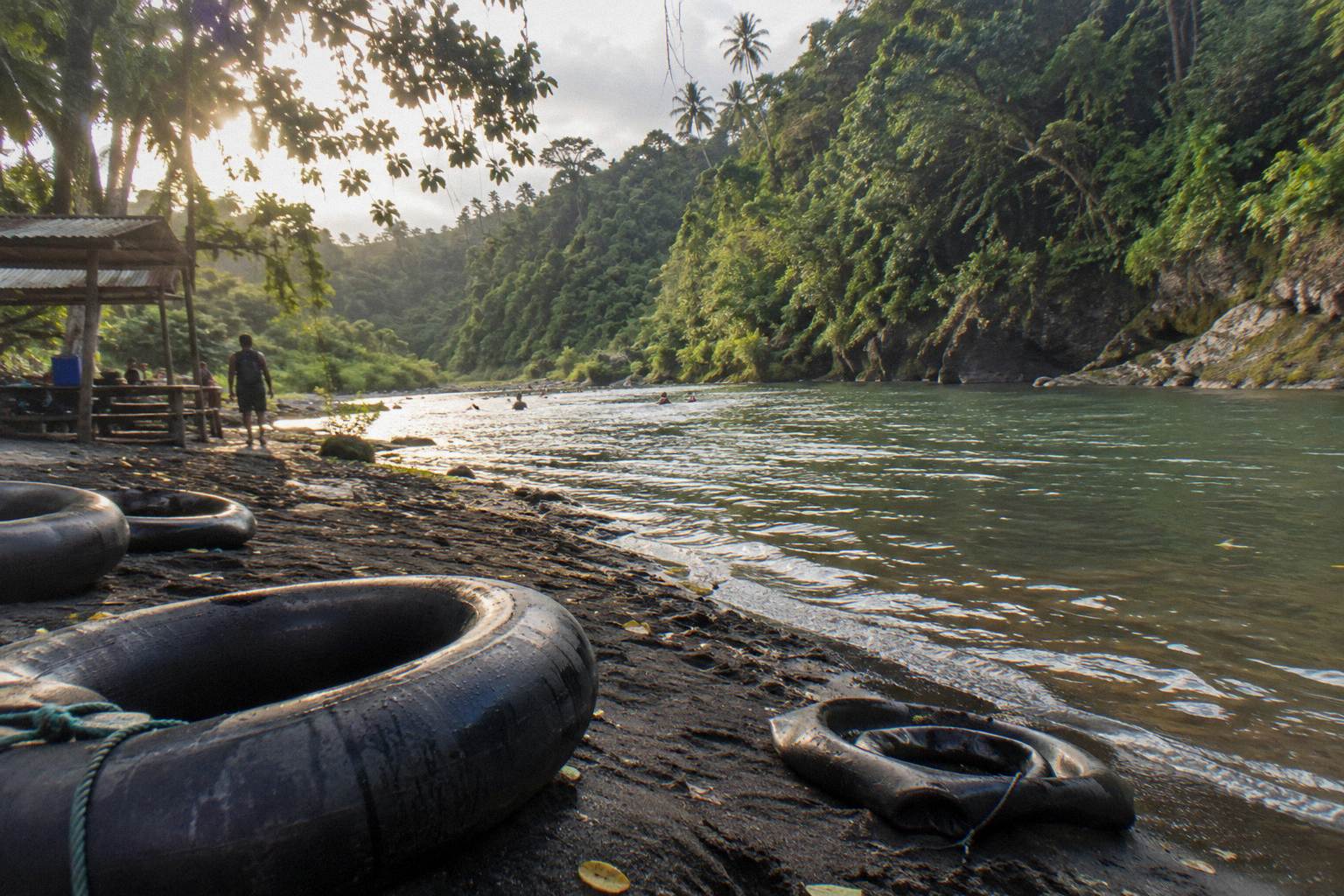
No phone or camera policy is stated anywhere by the operator. The River Tubing Fiji website, its terms page and its booking listing do not publish a rule about carrying devices on the tube float. What is stated instead: every guest must wear a life vest, the operator sells a photo package so devices need not get wet, and its terms say the company is not responsible for loss of belongings.
The absence of a written rule is not the same as permission, and it is not a ban either. It means the operator has chosen not to publish a device policy, so the practical answer sits with the crew on the day and with the choices you make before boarding the longboat.
The published evidence leans one way. On its gallery page, the operator advertises a "package of pictures" it sells, with the explicit pitch that devices need not get wet. A business that sells photos of your day has little reason to encourage you to bring your own electronics onto a river, and every reason to have worked out a way for you not to. That is not a rule, but it is a strong signal about how the day is designed.
This site exists to document the Navua River tubing world in plain terms, and this question sits near the centre of it: the reader asking it is usually weighing whether to book at all. The featured trip, River Tubing Fiji, runs from USD 120 per person on its main booking page, rated 4.8 across 181 reviews there, with a second booking page showing 4.9. The Navua River tubing guide has more on the day itself, or see how the whole day runs from pickup if the schedule is the open question.
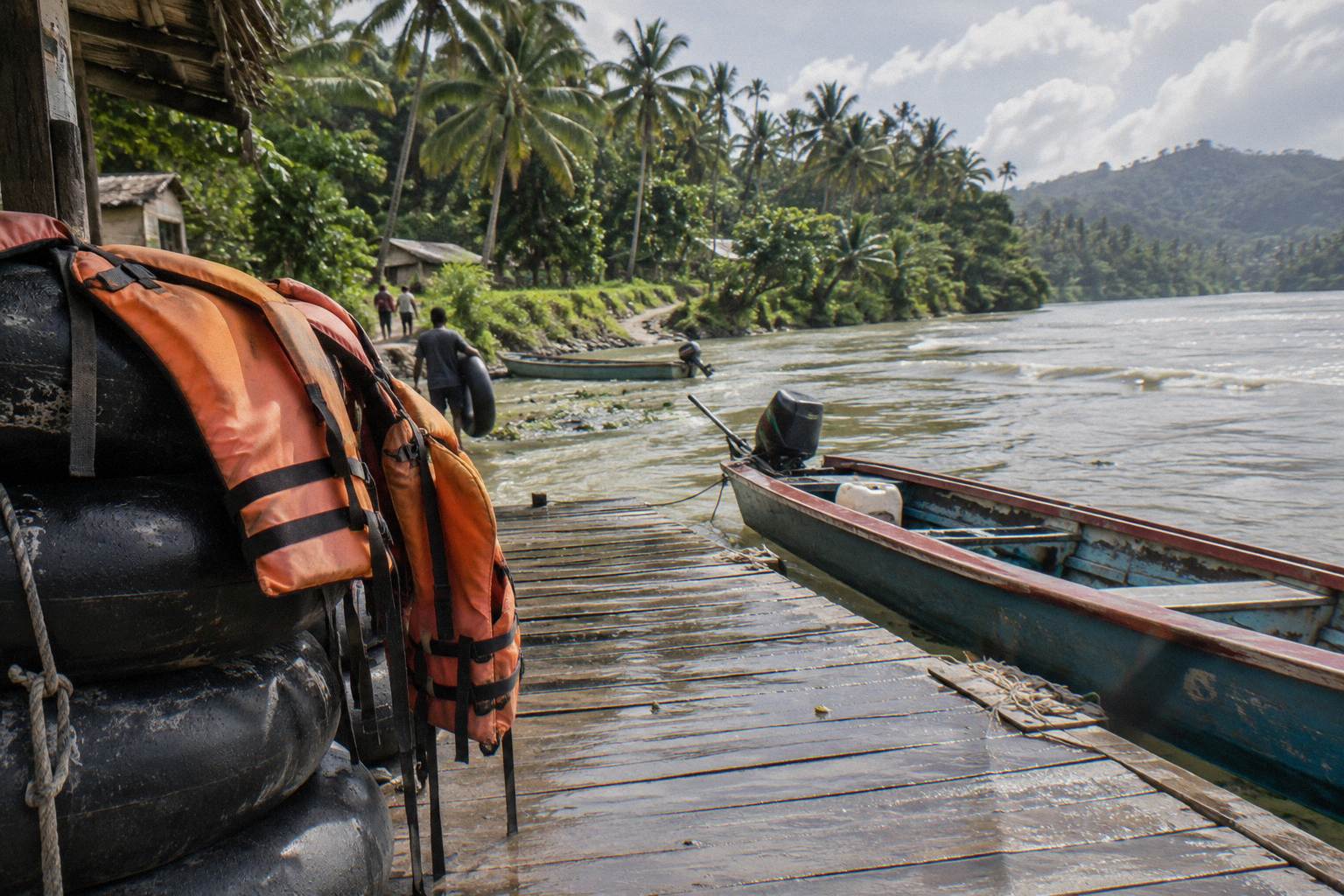
What The Operator Actually Publishes About Devices
The operator's website prints nothing that bans or permits phones and cameras on the water. Its terms list what to bring, sunscreen, hats, towels, a change of clothes, water, rain gear, a skirt or sarong for women for the village visit, and, in its own words, "a great attitude". Its gallery page is the only page that addresses devices at all, by selling a photo package so yours can stay dry.
The full bring list is worth reading as a whole, because it tells you what kind of day the operator expects you to have. Rain gear and towels suggest you will get wet or rained on. A change of clothes confirms it. Bottled water appears on the home page's own additions, and the main booking page adds comfortable shoes or water shoes. Nowhere in any of that does a camera, phone, waterproof case or dry bag appear.
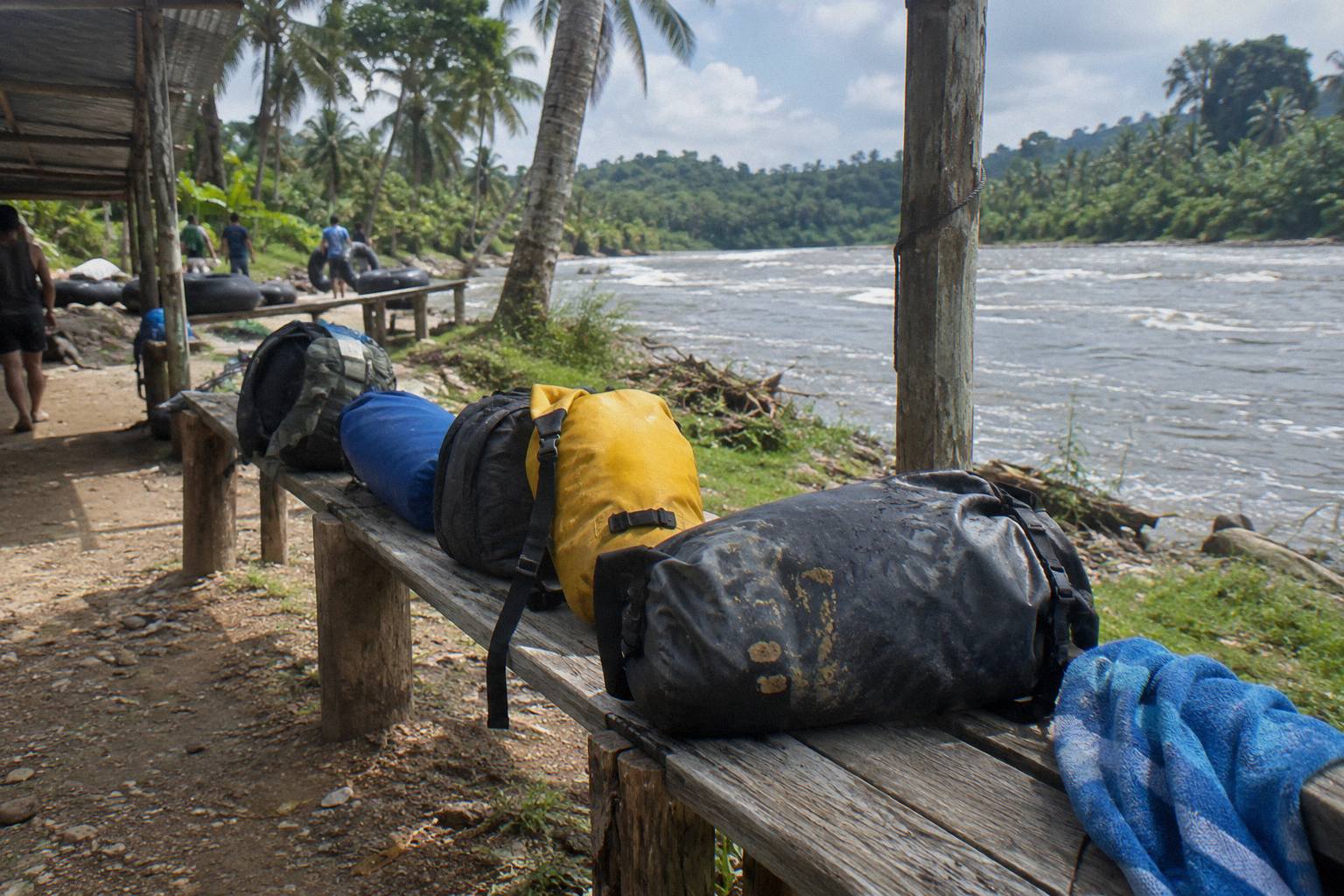
A device policy is not stated, so if it matters to your day, ask the operator. The operator's contact details are public: a booking desk reachable in Fiji and an email address on its website. There is no rule in either direction. The existence of a photo package does not mean phones are prohibited, and the absence of any statement does not mean cameras are welcome. Neither claim has any basis behind it.
The terms page addresses this question directly: the operator is not responsible for injuries or loss of belongings. Whatever you carry onto the river, you carry at your own risk. That is standard adventure-tour wording and it is not unique to this operator, but it matters for anyone bringing electronics onto moving water.
| Source page | What it says about devices | What it does not say |
|---|---|---|
| Operator terms and conditions | Bring towels, rain gear, change of clothes; operator not responsible for loss of belongings | No phone, camera or waterproof-case rule |
| Operator gallery page | Sells a "package of pictures" so devices need not get wet | No claim that devices are banned on the water |
| Operator home page | Adds bottled water to the bring list | Nothing about electronics |
| Main booking page | Adds comfortable shoes or water shoes | No device policy, no photography terms |
Why A River Day Is Hard On Electronics Anyway
Electronics struggle on the Navua because water is present from the first minute: you ride a longboat upriver, take a waterfall swim, and float down gentle rapids in a tube, all in a tropical climate where rain is a normal feature rather than an exception. Even where the rapids stay gentle, the operator requires a life vest for every guest, which tells you the water is taken seriously.
The itinerary order comes from the operator's own home page: hotel pickup and briefing, longboat ride upriver past greenery and waterfalls, a guided Fijian village visit when river levels allow, a waterfall swim, a riverside Fijian-style lunch with vegetarian options on request, then the tubing float downriver. Picture where a phone sits in each of those steps. On the longboat it is spray and splashes. At the waterfall it is a swim in a freshwater pool. On the tube it is, well, the tube.
“Amazing experience! River tubing is a must-do tour in Fiji! The boys were great, very friendly and helpful, and we really enjoyed every moment. Such a fun and memorable adventure. Highly recommended!”
The village visit adds a second, less obvious wrinkle. The alternative operator's listing for its Navua tubing day, the Navua River Tubing Day Tour from Bula Online Fiji Tours and Watersports, states that hats, bare shoulders and bare knees are not permitted in the village. That is that listing's rule, not River Tubing Fiji's, but it illustrates the general point: a village visit is a cultural setting with its own expectations, and a camera pointed at people there deserves more thought than a camera pointed at a waterfall. Ask before photographing villagers, and see what to wear and bring for the day for more.
It is also worth being clear about what the river itself is. The operator describes the tubing stretch as gentle rapids, and Tourism Fiji frames tubing on the Navua as the gentler option compared with the grade 2 and 3+ whitewater rafting runs in the upper gorges. Gentle is not dry. A tube sits you in the water, the spray comes over the sides, and rain in Fiji's warm season is a weekly event rather than a surprise.
| Part of the day | Water risk to a device | Stated protection |
|---|---|---|
| Longboat ride upriver | Splashes and spray | None stated |
| Village visit | Low, but cultural sensitivity applies | Dress norms on one listing; ask before photos |
| Waterfall swim | Full submersion likely | None stated |
| Riverside lunch | Low | Dry riverbank setting |
| Tube float downriver | Constant splashing, possible capsize | Life vest required for all guests |
The Photo Package: The Operator's Own Answer
The operator sells a photo package, described on its gallery page as a "package of pictures", pitched explicitly so that devices need not get wet. No price for the package is stated anywhere. It is the closest thing the published record has to an official answer on photography, and it reframes the question: you do not need to solve the waterproofing problem yourself, because someone with better equipment than you will be on the water either way.
This is a common and sensible arrangement on river trips worldwide. A guide with a rugged camera or a housing gets the shots you cannot: the tube train from the bank, the waterfall from below, the whole group mid-float. You get the images after the fact, and your phone spends the day in your bag at the base or on the bus, which is where it is safest anyway given the operator's terms about lost belongings.
The details you would want, package price, delivery method, whether video is included, are not stated. The instruction is simple: not stated, ask the operator. Ask at booking rather than on the riverbank, because the answer may shape what you pack, and the booking desk is reachable during Fiji business hours.
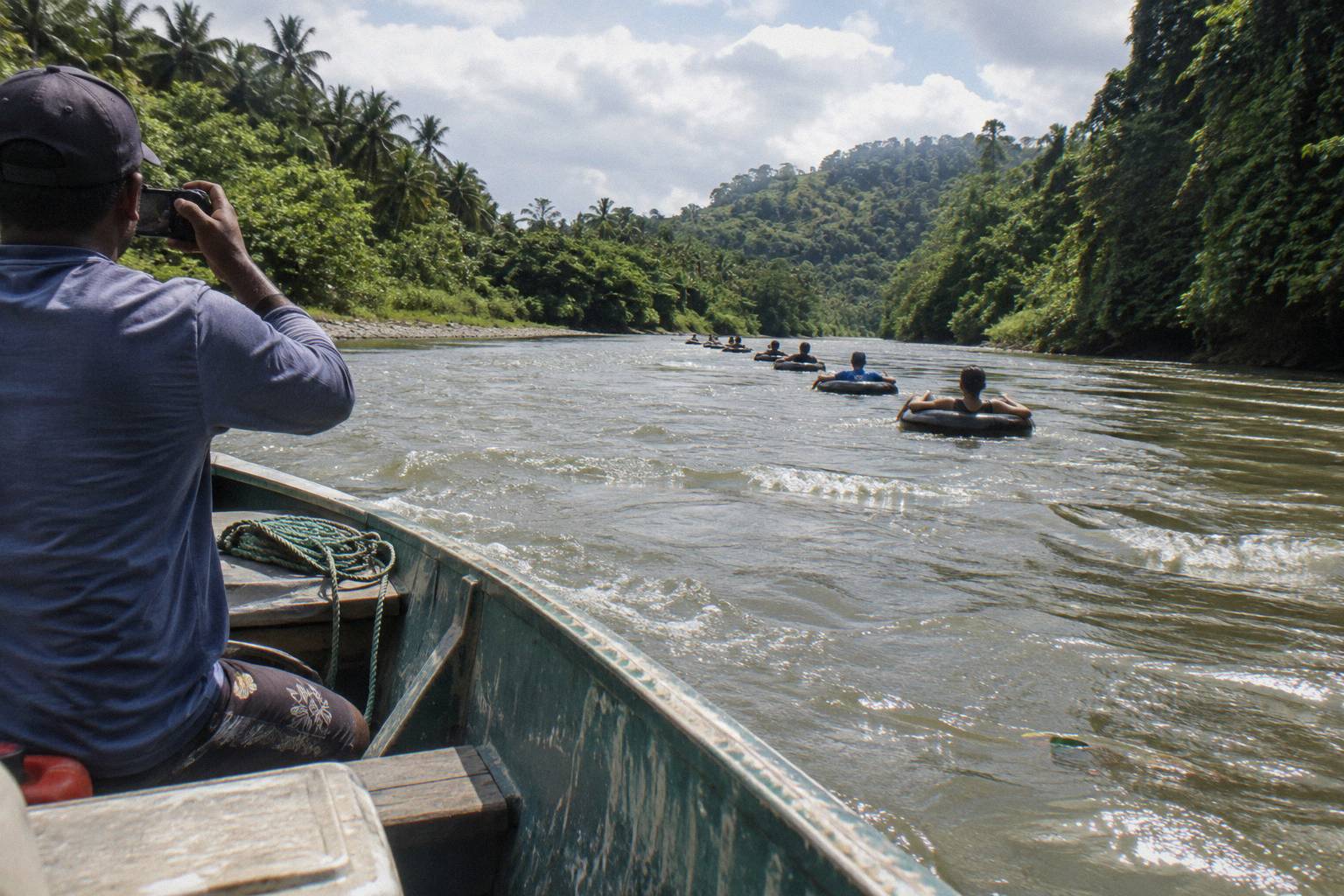
If you want to see the kind of imagery the river produces before deciding anything, the Navua River tubing photo gallery piece collects what the day looks like, and the operator's own gallery page, at rivertubingfiji.com, shows its own shots and its photo package pitch directly.
What People Do In Practice, And What To Ask
In practice, the questions worth asking the operator are concrete: is there dry storage on the boat or at the base, is the photo package available on my date and what does it cost, and is there anywhere at the village or waterfall stop to leave a bag. None of these answers is published, so the operator is the only source for them, and asking directly before booking is the way to get them.
Ask at booking, not on the day. The booking desk exists for exactly this, and the difference between knowing whether a dry bag is provided and discovering it is not, mid-longboat, is the difference between a relaxed day and an anxious one. A short email or call settles it. For everything else about securing a spot, see how to book Navua River tubing, and for the money side, the full cost breakdown covers what from USD 120 per person does and does not include on the main booking page.
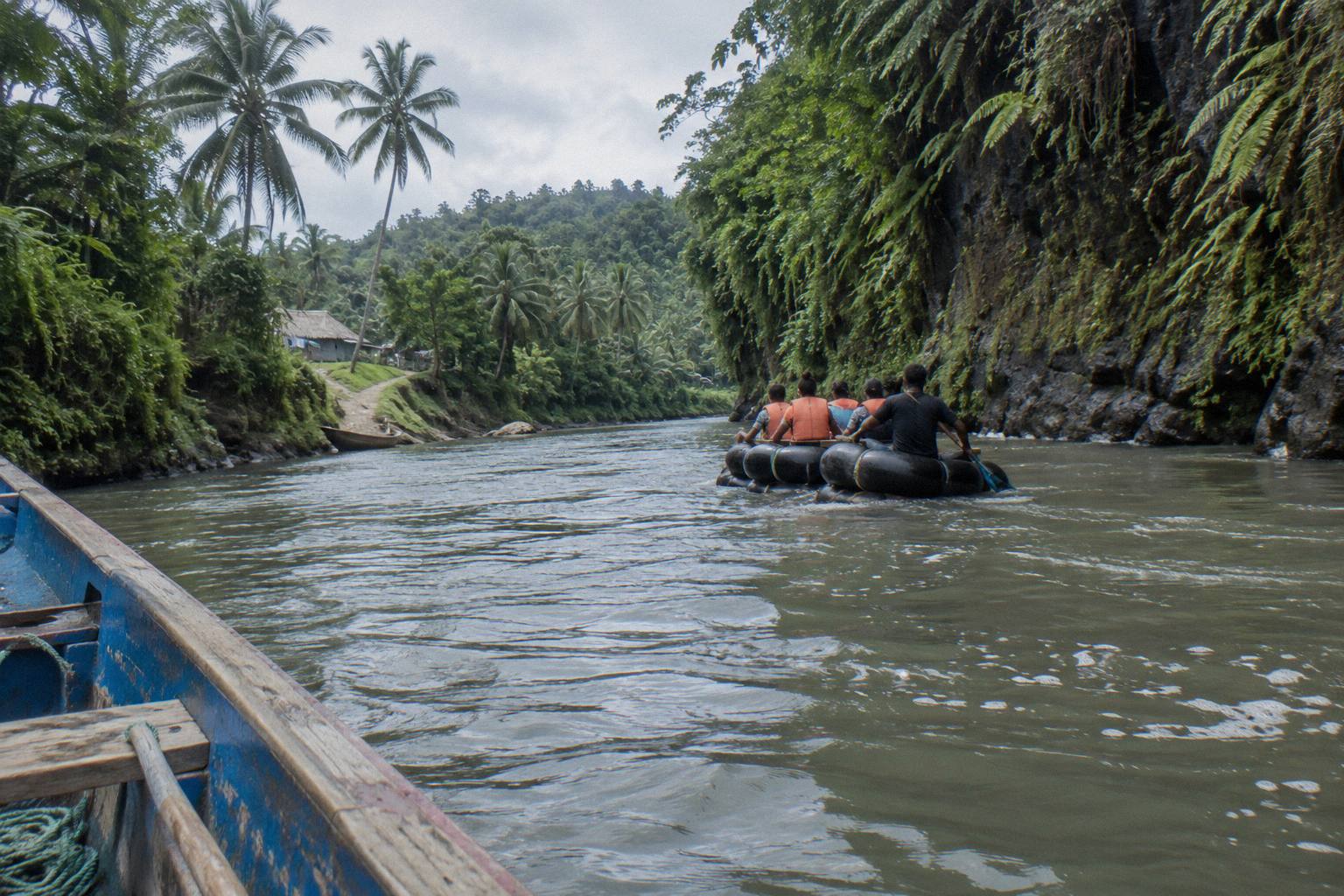
A useful habit, wherever the published policy is silent, is to plan as if the worst case were true. If the phone falls in the river and sinks, is the day ruined? For most people the answer is no, provided photos were never the point. If photos were the point, the photo package conversation becomes the important booking question, not the device question. The rest of the planning pages sit on Pacific Harbour River Tubing.
| Question to ask | Why it matters | Stated anywhere? |
|---|---|---|
| Is the photo package available on my date? | It replaces your device entirely | Offered, but no price or availability terms |
| Is there dry storage on the boat or at base? | Decides whether a phone comes at all | Not stated |
| Can bags be left at the village or waterfall stop? | Protects belongings during the swim | Not stated |
| Are there power or charging points at base? | Matters for a full-day trip from Nadi | Not stated |
Sun, Rain And The Other Reasons Devices Struggle
The river is not the only thing working against a phone on this trip. A tubing day on the Navua runs most of a day from pickup, with reviewers from the Nadi area reporting roughly three hours each way by van, and Fiji's warm, wet season runs November to April. Heat, battery drain, sunscreen-slick hands and sudden rain all attack electronics even before the water does.
The operator's own bring list points at this: rain gear is on the terms page, towels too, and sunscreen. Every one of those items implies conditions that electronics dislike as much as skin does. The main booking page lists a guided tour of about five hours plus transfers, and the second operator's day tour listing runs to 7 hours, so a phone that starts the day at 40 percent is not making it home without a plan.
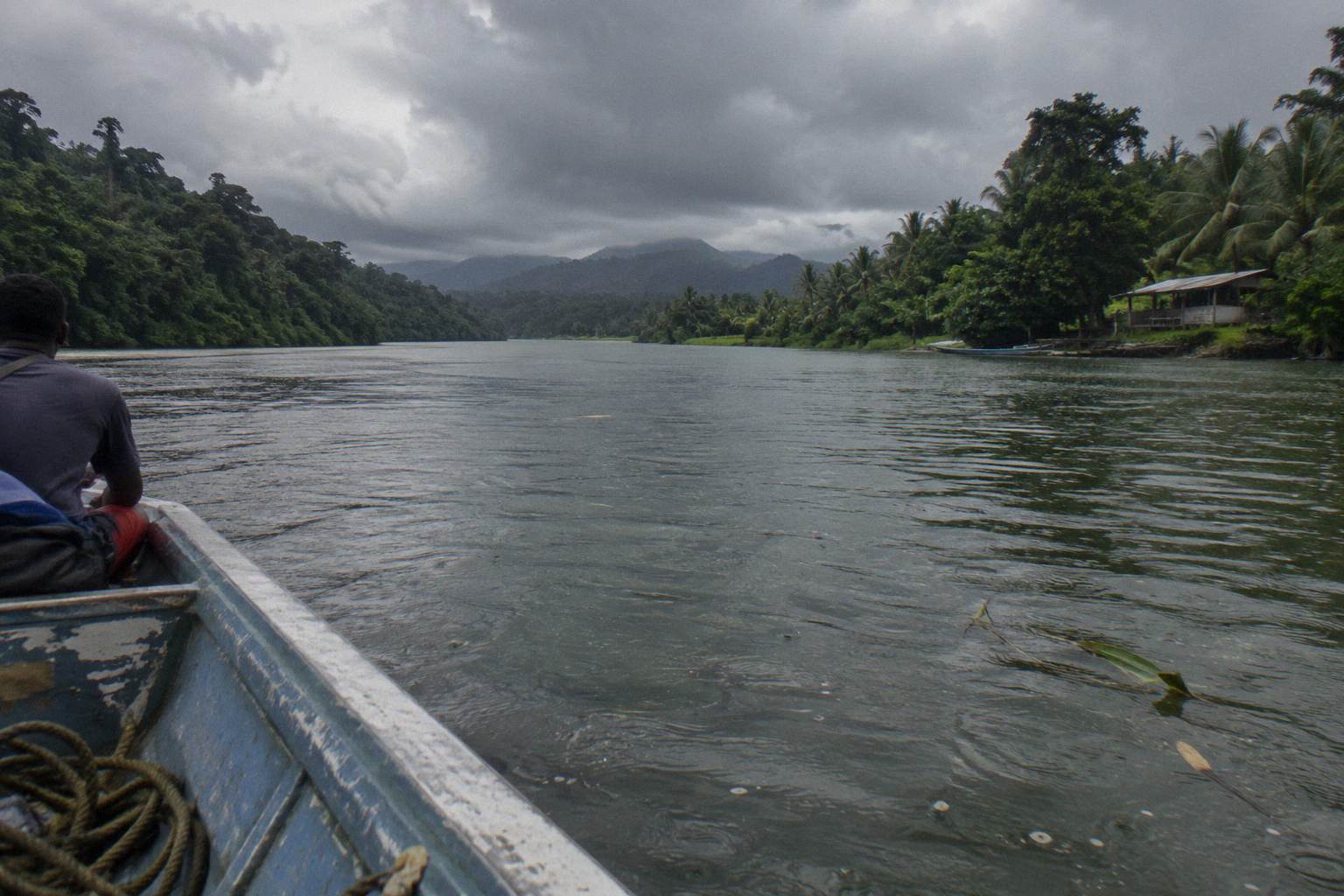
The seasonal picture comes from Fiji's general climate, not from any operator promise, and it should be treated as background rather than a forecast. What happens to the trip itself when rain arrives is covered properly in what happens to river tubing when it rains; the short version relevant here is that rain makes the dry-bag question more pressing, not less, and that the operator may amend a trip for river or weather conditions, refunding or rescheduling if it cancels for river reasons.
For sun exposure on a long water day, the sunburn question for tubing days covers this; in short, sunscreen hands and a bareboat ride add up, and sunscreen is itself a well-known killer of camera optics and phone screens.
The Two Operators, Two Listings, One Question
Neither Navua tubing listing answers the device question, and neither states a phone or camera policy. River Tubing Fiji runs from USD 120 per person for about 5 hours guided plus transfers, rated 4.8 across 181 reviews on its main booking page, while the Navua River Tubing Day Tour, with Bula Online Fiji Tours and Watersports named as provider, runs from USD 101 per person over 7 hours as a new activity with no rating yet.
“Traveled with older teenagers and we all had a great time. The waterfalls were beautiful and the food was delicious with plenty of helpings for my teenage son. It was a bit cold that day but still a really fun time. We were in Nadi so the drive was far (3 hrs each way) but our driver was great and stopped for a break half way through. The guides were very friendly and engaging as well.”
The second listing does state two things the first does not, or states differently: not suitable for children under 6 or people with mobility impairments, and tell the team at booking if anyone is a weak swimmer. It also includes life jackets and safety equipment in its listed inclusions, a covered long boat, a village visit when river levels allow, a waterfall swim in a freshwater pool, a buffet lunch, and return resort pickup. For the safety picture across both, the safety guide for Navua tubing is the fuller treatment.
“Such an amazing day out. Exceeded expectations. Loved the village tour, swimming at the waterfall, the amazing lunch and the tubing. Fantastic day. Special mention towards the end of the tubing when the guides got all the tubes together and sang cultural songs. I was a bit ahead and I swore they had a stereo but my boys said they didn’t. Sounded amazing whilst floating down the river.”
The comparison matters because the temptation on a quiet question like this is to treat silence as a policy. It is not a policy on one listing or the other, and the fact that two commercial listings for the same activity, on the same river, in the same town, both decline to publish a device rule suggests the industry norm here is simply that the crew's word on the day governs. That is a reasonable norm, but it rewards the traveller who asked in advance.
If The Water Is The Wrong Place For Your Camera Anyway
Leave it off the water entirely, because the Navua tubing day already has the photography covered. The trip takes in a village, a waterfall, a riverside lunch and a float through rainforest, and the operator has arranged photos so you can be in those moments instead of documenting them from behind a screen, with the terms page's final bring-list item, "a great attitude", as close as the published record comes to a philosophy of the day.
“Excellent day trip. All the guides, drivers and tour leaders were very kind. The day was very well organized. Excellent commentary during the tour of the village and the garden. The setting is simply magnificent. Thank you!”
The upper river, by contrast, is a place where even rugged gear earns its keep. The Upper Navua gorge is a Ramsar-listed conservation area, site no. 1612, about 615 hectares designated in 2006, with a gorge roughly 75 metres deep and 5 to 25 metres wide, per the Ramsar sites information service. Whitewater rafting there with Rivers Fiji runs from USD 212 per person as a full day, no rating printed, and it is a different kind of trip entirely: grade 2 and 3+ water in a protected gorge, not a gentle float. Photography on that trip is a serious kit question, not a pocket question. The full contrast is drawn in river tubing versus whitewater rafting.
If the aim is photos of Fiji's wild water with no electronics risk at all, the photo-package logic scales up too: professional shooters make careers out of the upper gorge. For the tubing day, the same logic applies in miniature. Somebody is on that water with a camera either way. It does not have to be you.
Common Questions About Phones And Cameras On The River
Can I Take My Camera Or Phone On The River?
No policy is stated. The operator publishes no rule permitting or banning devices on the water; it sells a photo package so devices need not get wet, and its terms say it is not responsible for loss of belongings. Ask the operator at booking if you want a definitive answer for your date.
Does River Tubing Fiji Sell Photos Of The Trip?
Yes. The operator's gallery page advertises a "package of pictures", pitched so devices need not get wet. No price, delivery method or availability terms are stated: ask at booking.
Is There Dry Storage On The Boat?
Not stated. Neither the operator's website nor the booking listings publish anything about dry bags or lockers. Ask the operator before your date rather than assuming.
What Does The Operator Say To Bring?
Per its terms: sunscreen, hats, towels, a change of clothes, water, rain gear, a skirt or sarong for women for the village visit, and "a great attitude". The home page adds bottled water and the main booking page adds comfortable shoes or water shoes. No electronics appear on any list.
Who Is Responsible If My Phone Gets Wet Or Lost?
The operator's terms state it is not responsible for injuries or loss of belongings. Whatever you carry on the river, you carry at your own risk.
Can I Photograph The Village Visit?
No photography rule for the village is stated on River Tubing Fiji's pages. The second operator's listing sets dress norms for the village, which signals a cultural setting; the respectful default is to ask before photographing villagers.