What Is The Best Time To Go Tubing?
Fiji river tubing timing explained: the two seasons, the river-level variable that actually changes the day, cancellation windows and how far ahead to book.
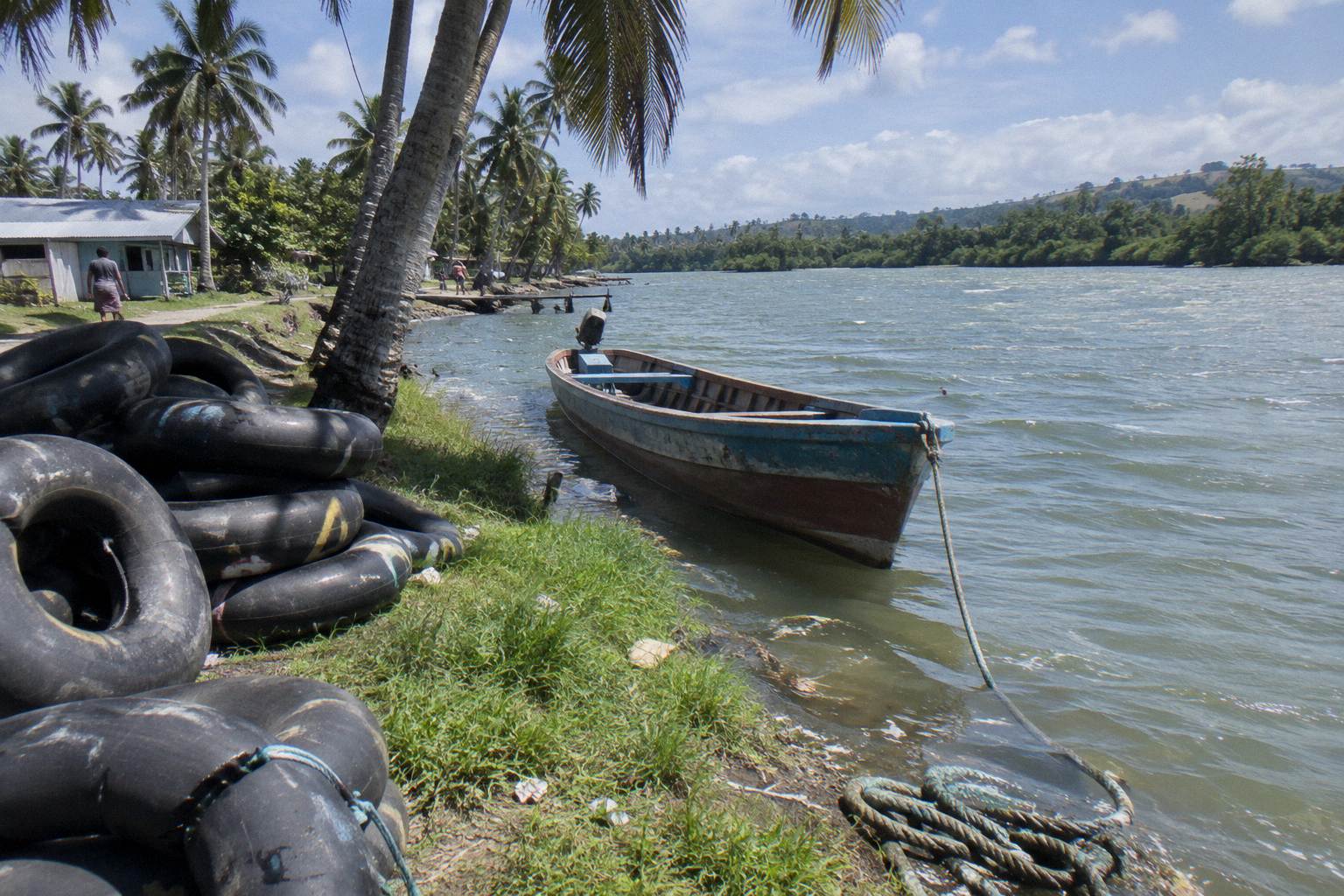
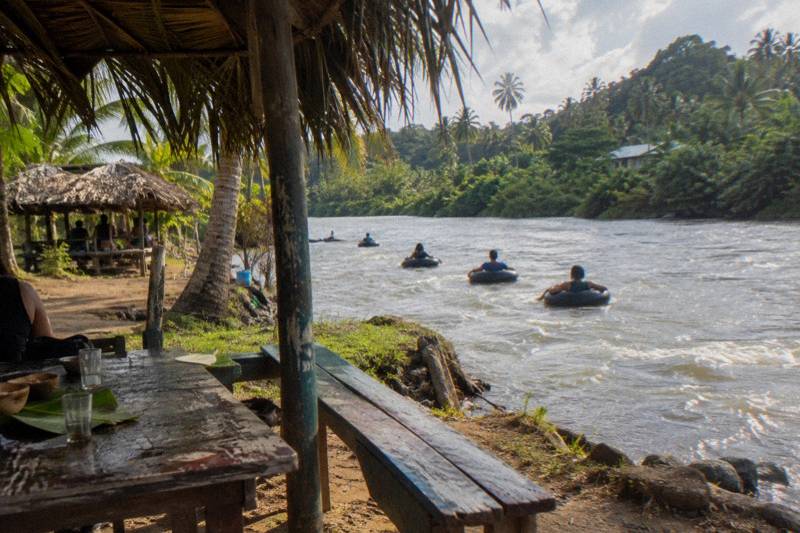
The Navua River runs through a deep green gorge on Fiji's southern coast, and tubing down its gentler stretches is a full-day affair: hotel pickup, a longboat ride upriver, a village visit when the water cooperates, a swim below a waterfall, a riverside lunch and then the float back down. When people ask what the best time to go tubing is, they usually mean which month. No single month is promised. What actually shapes the day is the combination of Fiji's two broad seasons, the level of the river on the morning you launch, and how far ahead you booked. Those three things, not a magic month, decide whether your trip includes the village stop and runs exactly as described.
Each of those variables gets weighed in turn. It covers the general climate pattern, explains why river level can override everything else, lays out the cancellation rules for each booking channel, walks through how a tubing day is actually timed from pickup to drop-off, and finishes with booking-window advice. Along the way it points to the operator's own published terms where they matter, because a timing question is really a planning question, and the terms are where the planning detail lives.
There is no single stated best month for Navua River tubing. Fiji has two general seasons: a wet, warm season from November to April and a cool, dry season from May to October. Neither is an operator promise. The factor that genuinely changes the trip is river level: when the water is low, the village visit is dropped from the itinerary, and when conditions warrant it the operator may cancel or amend the trip entirely.

Start with the calendar, because that is what most trip planners reach for first. Fiji's climate splits into two broad halves of the year. November to April is the wet and warm season, when rain is more frequent and temperatures sit higher. May to October is the cool and dry season, when rainfall is generally lower. That is a general climate pattern attributed to the Fiji Meteorological Service, not a guarantee about any given week, and no tubing operator promises calm water by month. Treat it the way you would treat any seasonal average: a lean, not a rule.
No single month is the best because the trip's defining feature, the river itself, does not follow the calendar neatly. A wet-season week can pass with perfectly floatable water. A dry-season fortnight can leave the river low enough that the itinerary gets trimmed. The operator's own home page carries a standing dry-spell notice saying the village visit is temporarily excluded when low water levels make the additional journey unsafe, and that the route is reassessed on the day if rain restores safe conditions. That notice is the single most useful piece of timing information on the operator's entire site, and it has nothing to do with which month you choose.
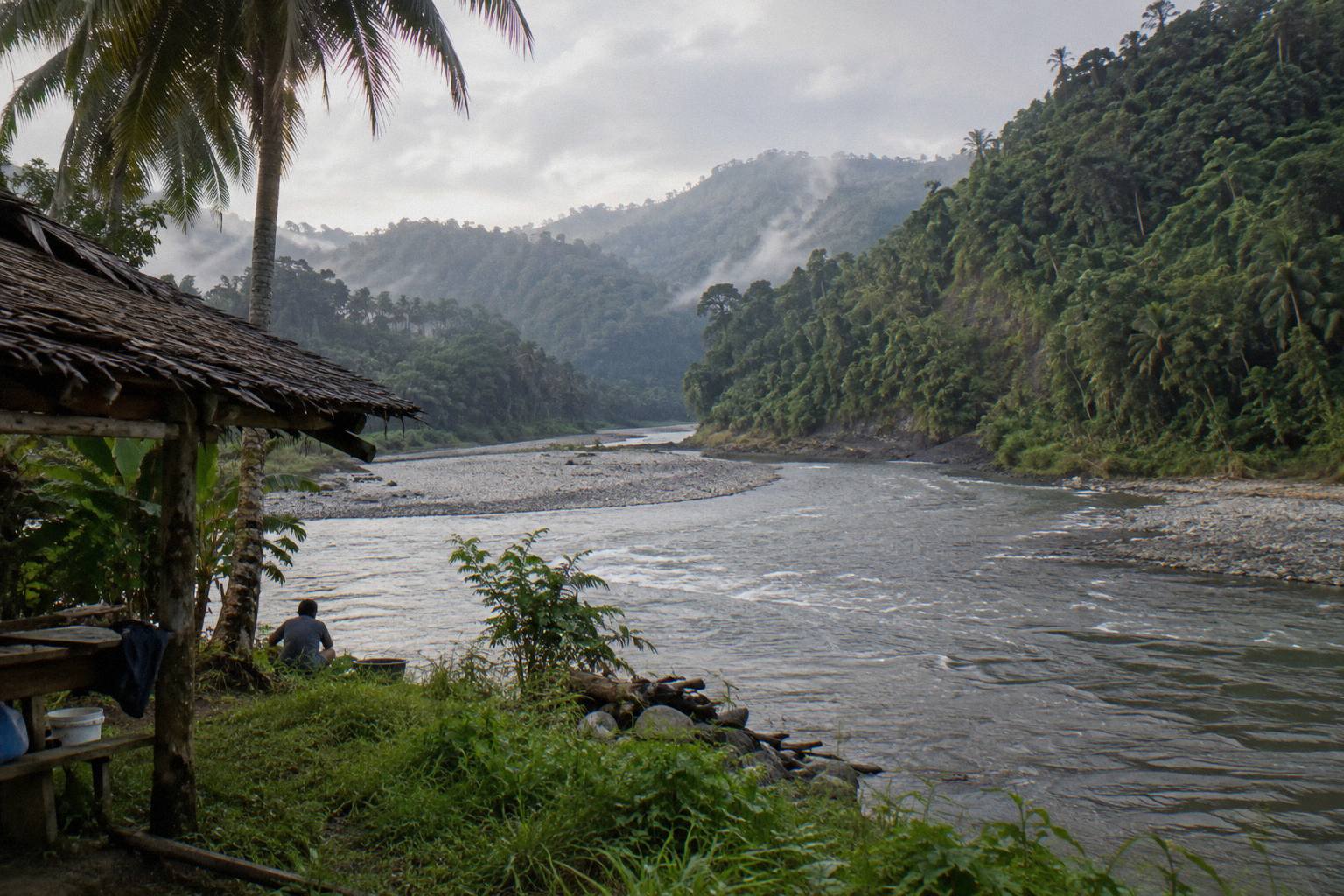
What this means in practice is that timing your trip well involves stacking the odds rather than chasing a perfect date. Pick the season that suits your tolerance for heat and rain, book with enough lead time to get your preferred day, choose a pickup point that keeps your transfer short, and understand before you pay what happens if the river decides otherwise. For the fuller picture on wet-day outcomes, what happens to river tubing when it rains covers the same river-level question from the weather side.
For orientation, the featured trip on this site is the Pacific Harbour River Tubing day run by the operator River Tubing Fiji, booked from USD 120 per person on its main booking page and rated 4.8 across 181 reviews there. It picks up from Nadi, Denarau Island, the Coral Coast, Sigatoka, Pacific Harbour and Suva, which means the same river day can cost you very different amounts of travel time depending on where you are staying. That transfer reality belongs in any timing discussion, and it gets its own section below.
“Great day out with heaps of fun. Guides were great and very humorous and sang some beautiful songs while we were tubing. Throughly recommend this activity. Waterfall swim and view was just superb. Thanks.”
Do The Two Fiji Seasons Change The Tubing Day Itself?
The season affects the feel of the day more than the content of it. The itinerary, pickup, lunch and tubing stretch stay the same year-round. What shifts is the weather you float through, the likelihood of rain before or during your trip, and the probability that the river is running high enough to include the village visit. The operator makes no seasonal promises, and no month is described as calmest or driest in any official material.
It is worth being precise about what the seasons do and do not control. They do not control the price, the pickup list, the lunch or the tubing route. They do not come with any operator statement that one season runs better trips than the other. What they influence is ambient comfort and the background probability of rain, and rain is what moves the river. The wet and warm season from November to April brings more frequent rain, which often means a livelier river and a better chance the village visit runs. The cool and dry season from May to October generally means lower water, which raises the chance the village leg is dropped for safety.
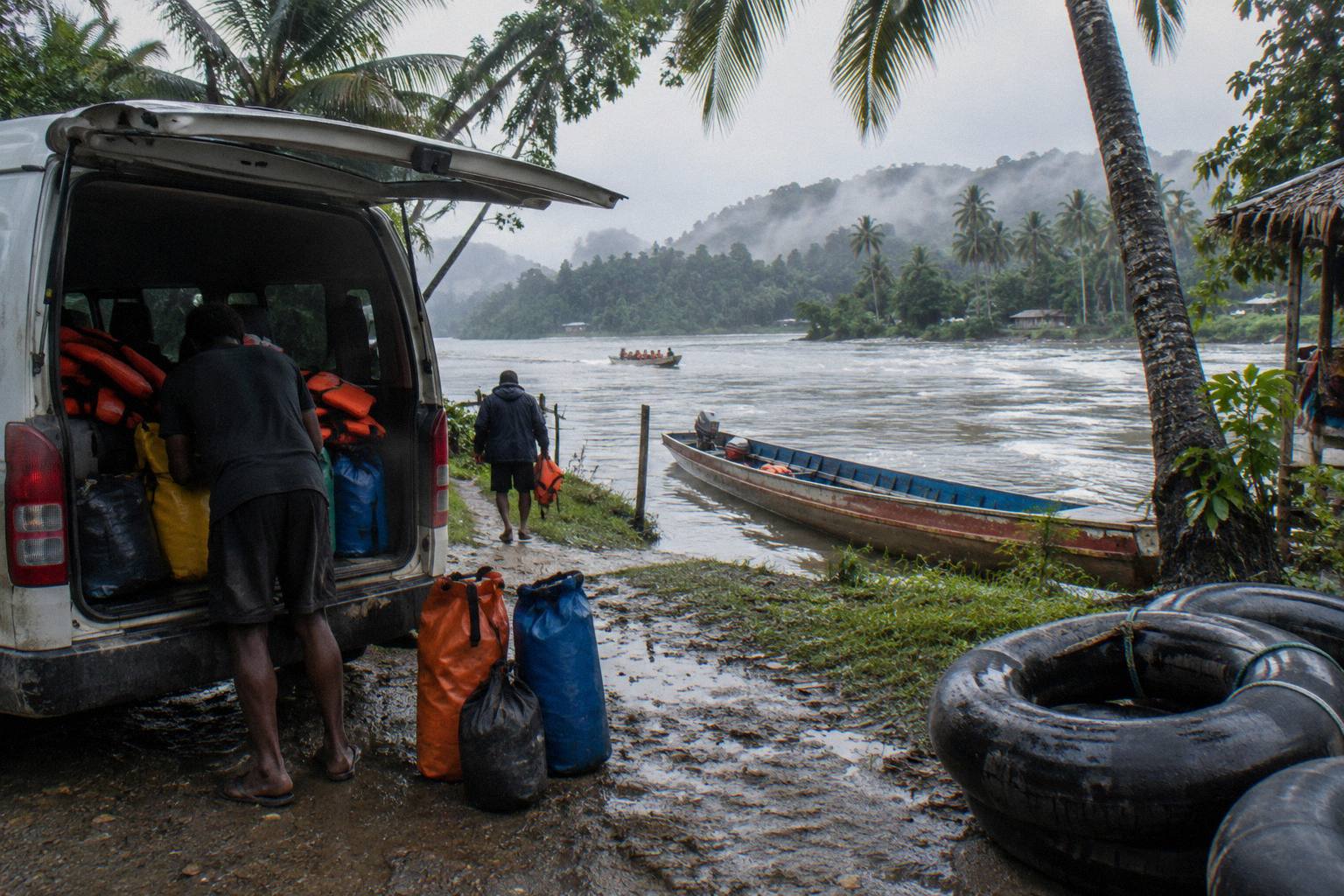
That last point deserves emphasis because it cuts against the instinct most visitors have. People assume dry season equals better trip, because dry season is the default answer for most tropical travel. For tubing specifically, persistent dry weather is the condition that trims the itinerary. The village sits about 5 kilometres beyond the waterfall, roughly 17 kilometres upriver in total, and reaching it safely requires enough water for the boats. When the level drops, that extra leg is the first thing to go.
| Variable | Wet season, Nov to Apr | Cool dry season, May to Oct | Who controls it |
|---|---|---|---|
| General rainfall | More frequent rain | Generally less rain | Climate pattern, not an operator promise |
| River level tendency | Often higher after rain | Can drop low in dry spells | The river |
| Village visit likelihood | Better odds the leg runs | Higher chance it is excluded | Operator decides on the day |
| Trip content otherwise | Same itinerary | Same itinerary | Operator's standard format |
None of this makes one season the correct answer. A wet-season booking trades heat and a higher rain chance for a livelier river. A dry-season booking trades the village-visit odds for cooler, clearer days and easier road travel. Families with small children often prefer the cooler months simply for comfort in the van; keen floaters sometimes prefer the wet months for the water. Both are reasonable ways to use the same general climate fact.
Book the season that fits your trip, then hold the itinerary lightly. The trip you are buying is a river day whose details the river helps decide. If the village visit is the part you care most about, ask the operator directly before booking how the river has been running, and check their dry-spell notice on the operator's published terms, which also carry the cancellation rules.
Why River Level, Not The Calendar, Decides Your Itinerary
River level is the live variable on the Navua. The operator's home page carries a dry-spell notice: when low water makes the extra upriver journey unsafe, the guided village visit is temporarily excluded, and the route is reassessed on the day if rain restores safe conditions. The main booking page repeats the same caveat. No timing strategy fully protects against it, and no source promises the village stop.
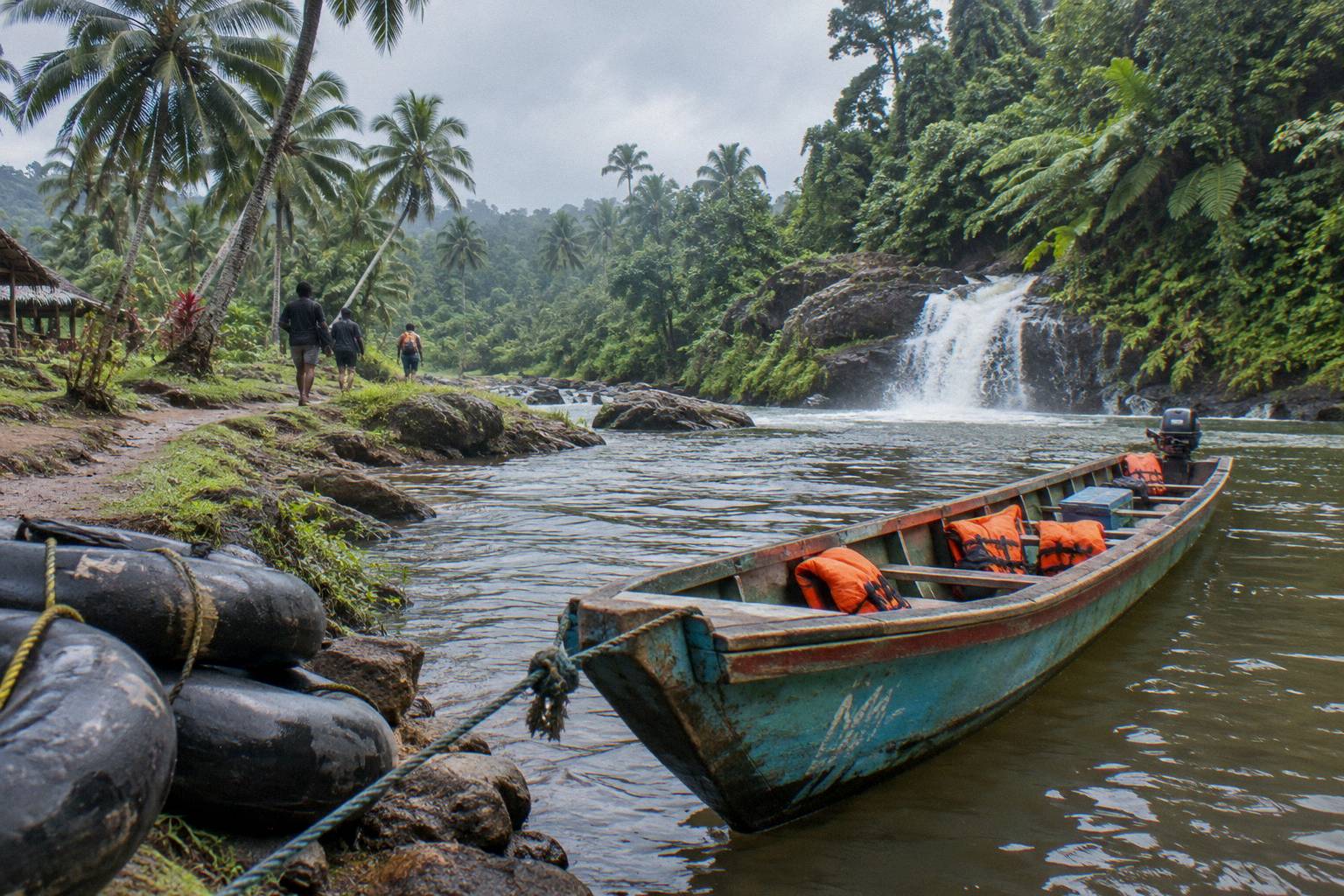
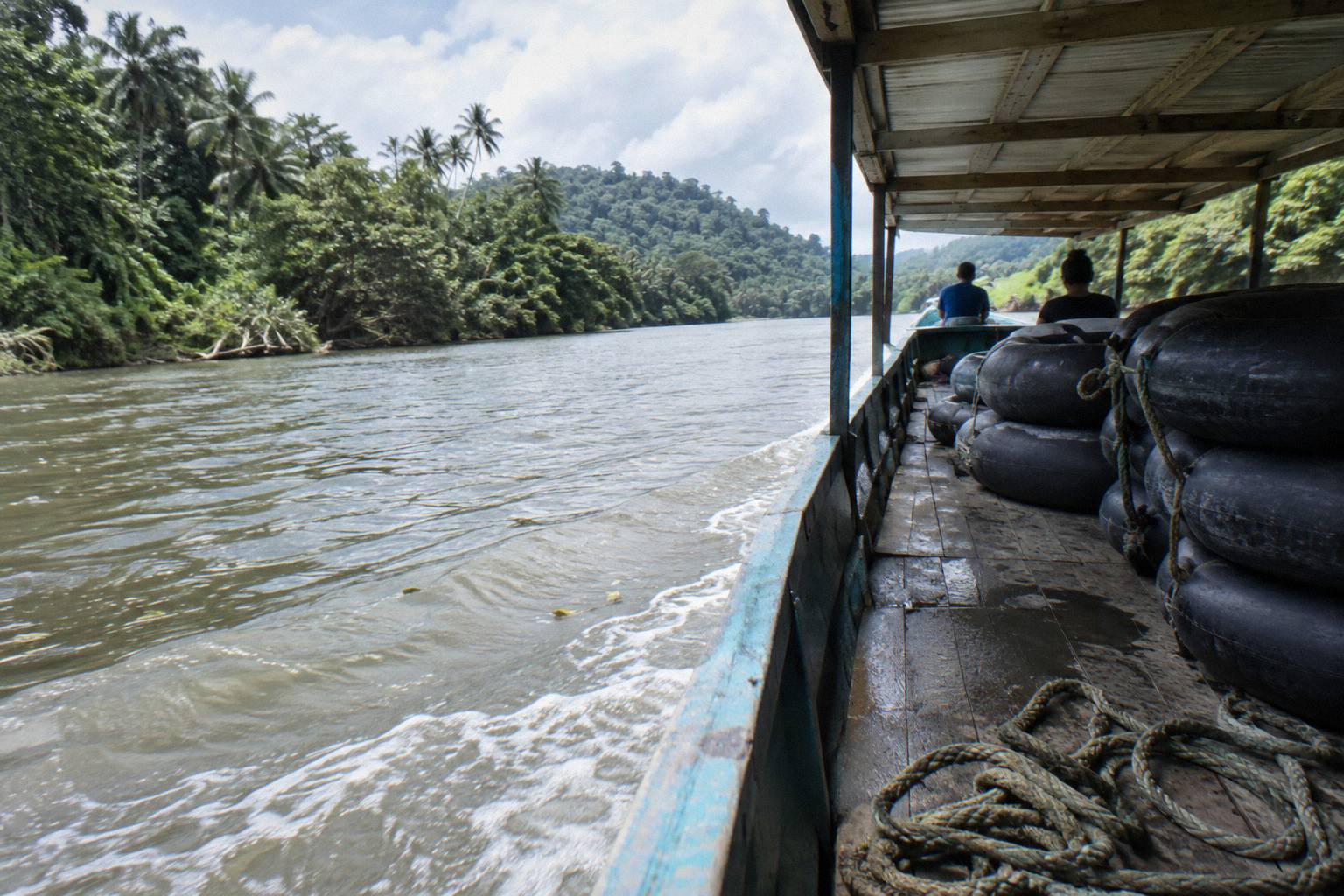
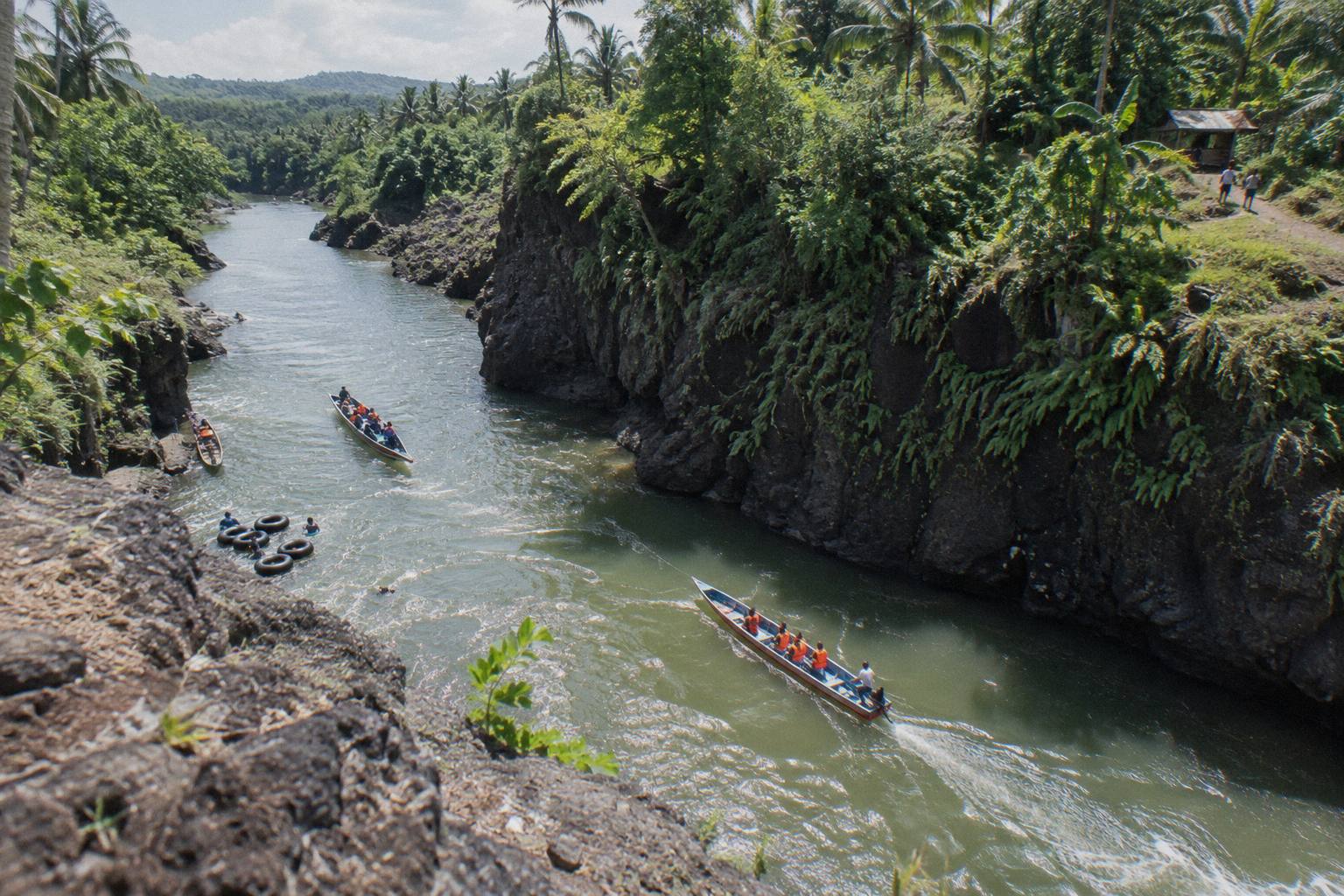
Here is how the mechanics work. The tubing day begins with a longboat ride upriver from the Navua side, passing rainforest and waterfalls, before guests float back down through what the operator calls gentle rapids. The waterfall stop sits approximately 12 kilometres upriver. The village lies a further 5 kilometres beyond that. Each additional kilometre upriver needs enough water for the boats to travel safely, so the village leg is the most water-hungry part of the day and the first casualty of a dry spell. The waterfall swim and the tubing float happen on the lower stretches, which need less water to run.
The operator handles this transparently. Rather than quietly cancelling the village component, they publish the dry-spell notice and reassess on the day. If rain arrives and the river rises, the visit can return to the itinerary even partway through a dry period. This is why the question "when should I go" cannot be answered with a month alone: two identical calendar dates in the same season can produce different itineraries because the river was different on each morning.
It also explains why the operator reserves the right to cancel or amend a trip for river or weather conditions. That clause is not fine print boilerplate here, it is the mechanism that governs the dry-spell notice. And importantly, it cuts both ways in the guest's favour: if the operator cancels for river conditions, their terms provide a 100 percent refund or a reschedule. You are not gambling your money against the weather, only the exact shape of the day.
The same logic applies across the river's other tours, not just the tubing run. The Navua River Tubing Day Tour, sold from USD 101 per person as a 7-hour new activity with no rating yet, includes a covered longboat ride, a village visit when river levels allow, a waterfall swim in a freshwater pool, a buffet lunch and tubing. Its provider name on the booking page is Bula Online Fiji Tours and Watersports, and the listing states nothing about that company beyond its name there. Its village stop is subject to the same physical reality of the river regardless of who runs the boat.
“Had the most amazing time. Peter our guide was the best, he told us so many stories about his village & he ensured we had the best time white water rafting. A must do when you visit Fiji, is absolutely beautiful & adventurous! Thanks Peter!! Morne and Dan!”
For contrast, the Upper Navua Whitewater Rafting day, from USD 212 per person with Rivers Fiji named as provider on its booking page, runs in the upper gorge, a different stretch of river entirely inside a conservation area. Tubing does not enter that gorge. But the same principle holds everywhere on this river system: the water level on the day shapes the trip more than any date on a booking calendar, and the further upriver a component sits, the more water it needs.
What Do The Cancellation Windows Mean For Choosing A Date?
The tour booking pages offer free cancellation up to 24 hours in advance, while the operator's direct terms are stricter: cancel within 24 hours of departure for a 100 percent fee, 24 to 48 hours before for 50 percent, and beyond 48 hours at no charge, so choose a date at least two full days out if you want room to change plans; if the operator cancels for river conditions, guests get a full refund or a reschedule.
Timing and cancellation are the same conversation, because the whole point of choosing a date well is to avoid cancelling it. The two policies are worth reading side by side. On the booking pages, the headline is simple: free cancellation up to 24 hours before the trip. That gives you a day-of-trip escape hatch if your plans shift or the forecast turns. Booked directly with the operator, the window is effectively longer: to pay nothing, you need to cancel more than 48 hours out, and dropping the trip inside 24 hours forfeits the full amount.
| Channel | Cancellation rule | Change window | River-condition cancellation |
|---|---|---|---|
| Booking page, River Tubing Fiji | Free cancellation up to 24 hours in advance | Any time before the 24-hour mark | Operator terms apply |
| Booking page, Navua River Tubing Day Tour | Free cancellation up to 24 hours in advance | Any time before the 24-hour mark | Stated on its own page |
| Operator direct, River Tubing Fiji | 100% fee inside 24 h, 50% fee 24 to 48 h, no fee beyond 48 h | The earlier the cheaper | Full refund or reschedule if the operator cancels for river conditions |
The practical takeaway for date selection is that a little slack in your itinerary buys a lot of flexibility. If your Fiji stay is seven days and you can place the tubing day on day three or four, you retain the option to shift the trip a day either side without touching a penalty, whichever channel you booked through. If you squeeze tubing into your final full day, a river amendment or a schedule change leaves you no room to reschedule, and the refund path becomes your only path.
It also matters how you weigh a forecast against these windows. Fiji's rain arrives in bursts, and a wet forecast two days out does not reliably mean a cancelled trip; often it means a fuller river and a running village visit. What the 24 and 48-hour marks really protect you from is your own schedule, not the river's. The river's behaviour is covered separately: when the operator cancels for river conditions, their terms state the guest receives a 100 percent refund or a reschedule, which is the fairer half of the bargain and one worth knowing exists before you book.
One caution: never merge these policies in your head. A booking page's 24-hour free cancellation does not transfer to a direct booking, and the operator's tiered fees do not apply to a booking-page reservation. Decide which channel you are using, then plan your buffer against that channel's clock. For the mechanics of reserving a seat in the first place, how to book Navua River tubing walks through the steps in detail.
How Does The Time Of Day And The Transfer Shape The Experience?
A tubing day is a full-day commitment from the moment the van arrives. The guided portion of the featured trip runs about 5 hours, with a second booking page showing about 5.5 hours, and transfers sit on top of that. Guests picked up in Nadi or Wailoaloa report roughly 3 hours each way by van; from Suva or Pacific Harbour the drive is under an hour, per Tourism Fiji. Plan the day, and the night before, accordingly.
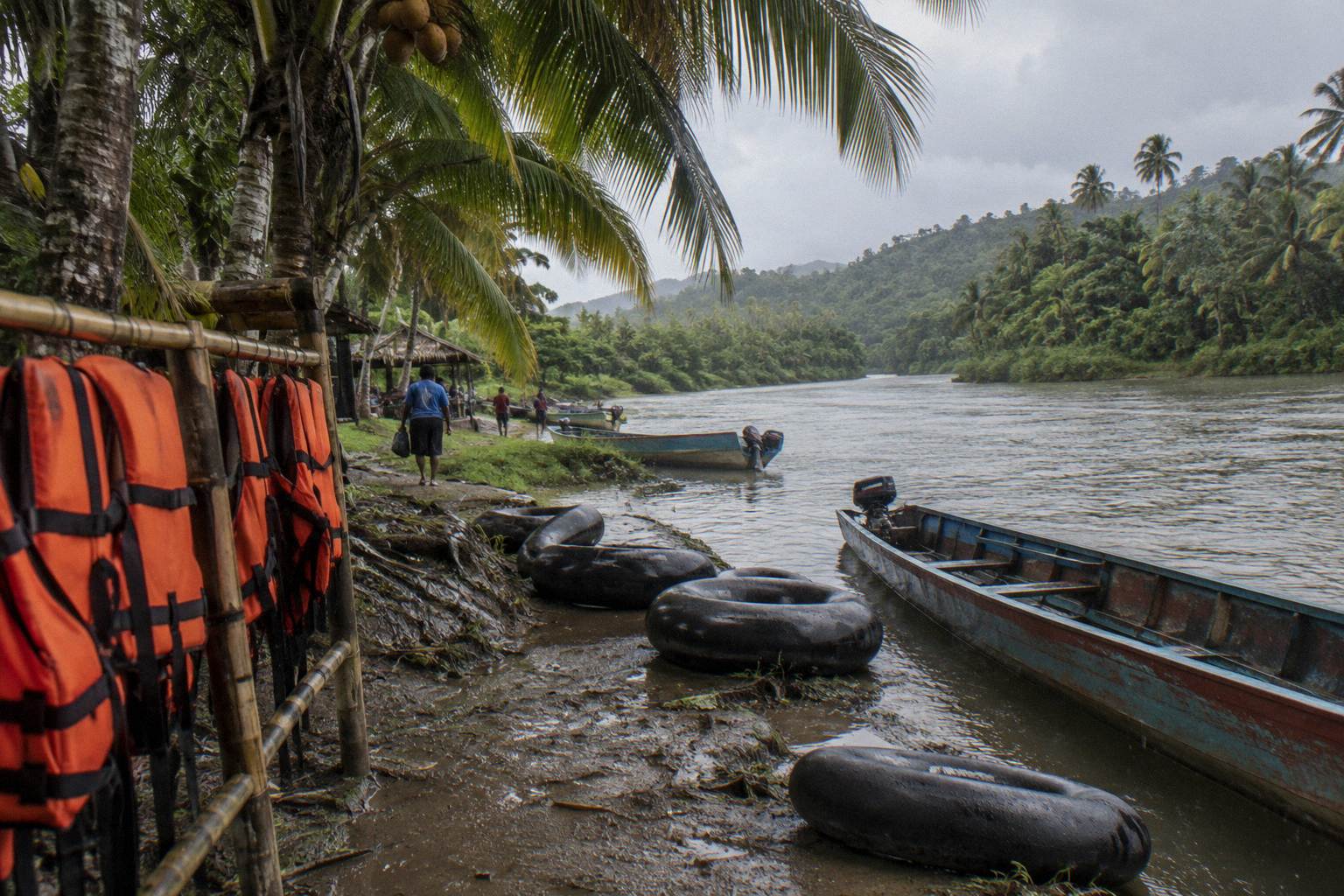
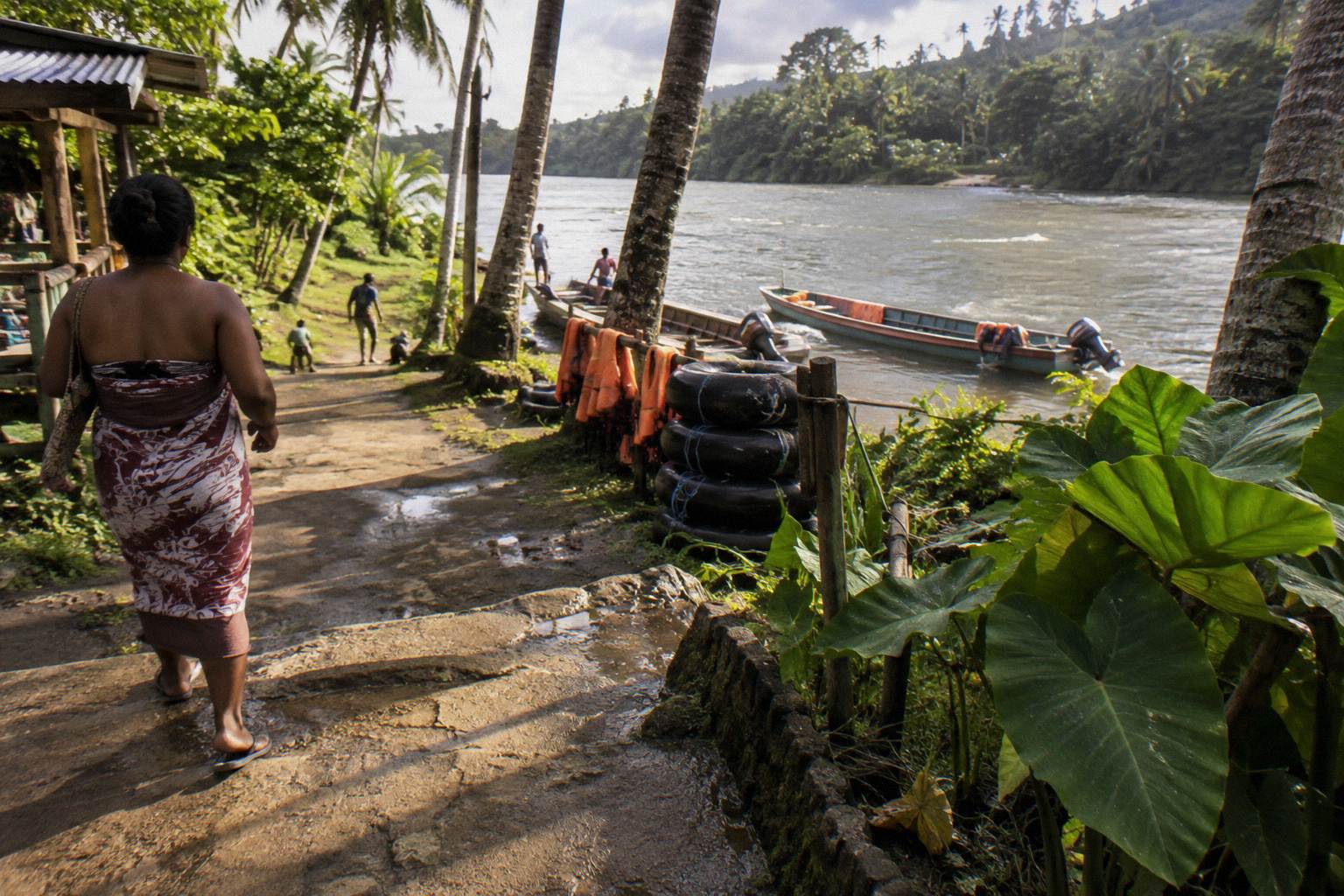
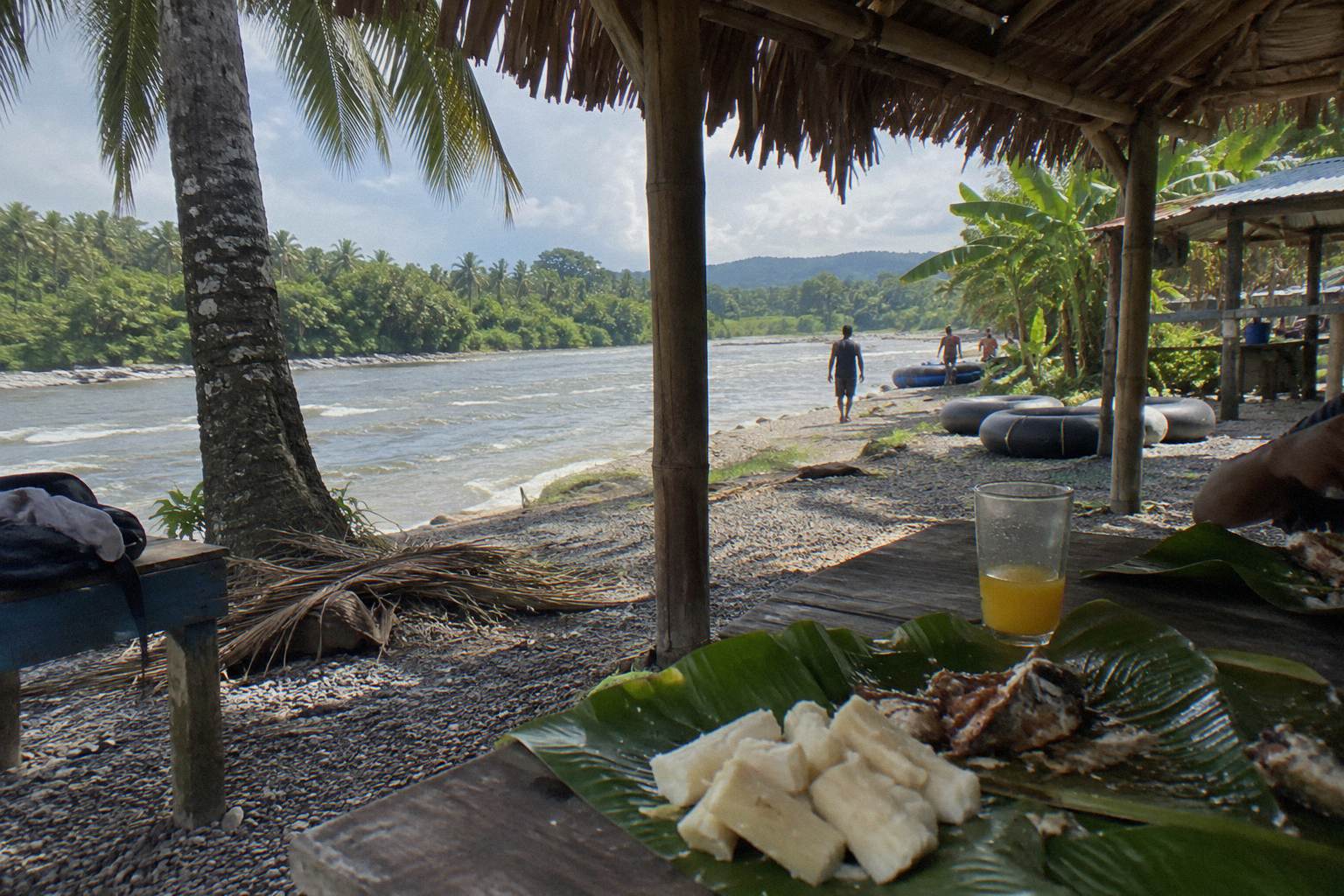
The structure of the day is fixed by the itinerary, not by you. Hotel pickup comes first, then a welcome briefing with life jackets and gear, then the longboat upriver, then the village visit when it runs, the waterfall swim, a riverside Fijian-style lunch with vegetarian options on request, and finally the tubing float back down through the gentle rapids. Guides on recent trips have sung cultural songs during the float, a detail that comes from traveller reviews rather than operator copy. None of this is compressible: the river sets the pace.
What you control is the front and back of the day. If you are staying in Nadi, Denarau or the Coral Coast, your pickup will be early and your return late, because the vans cover serious ground before the river portion even begins. Reviewers picked up from the Nadi side describe around 3 hours each way. From Pacific Harbour or Suva, the transfer is under an hour, which converts the same tour into a far gentler day. Anyone weighing accommodation choices against activities can compare the bases in the guide on where to stay around Pacific Harbour.
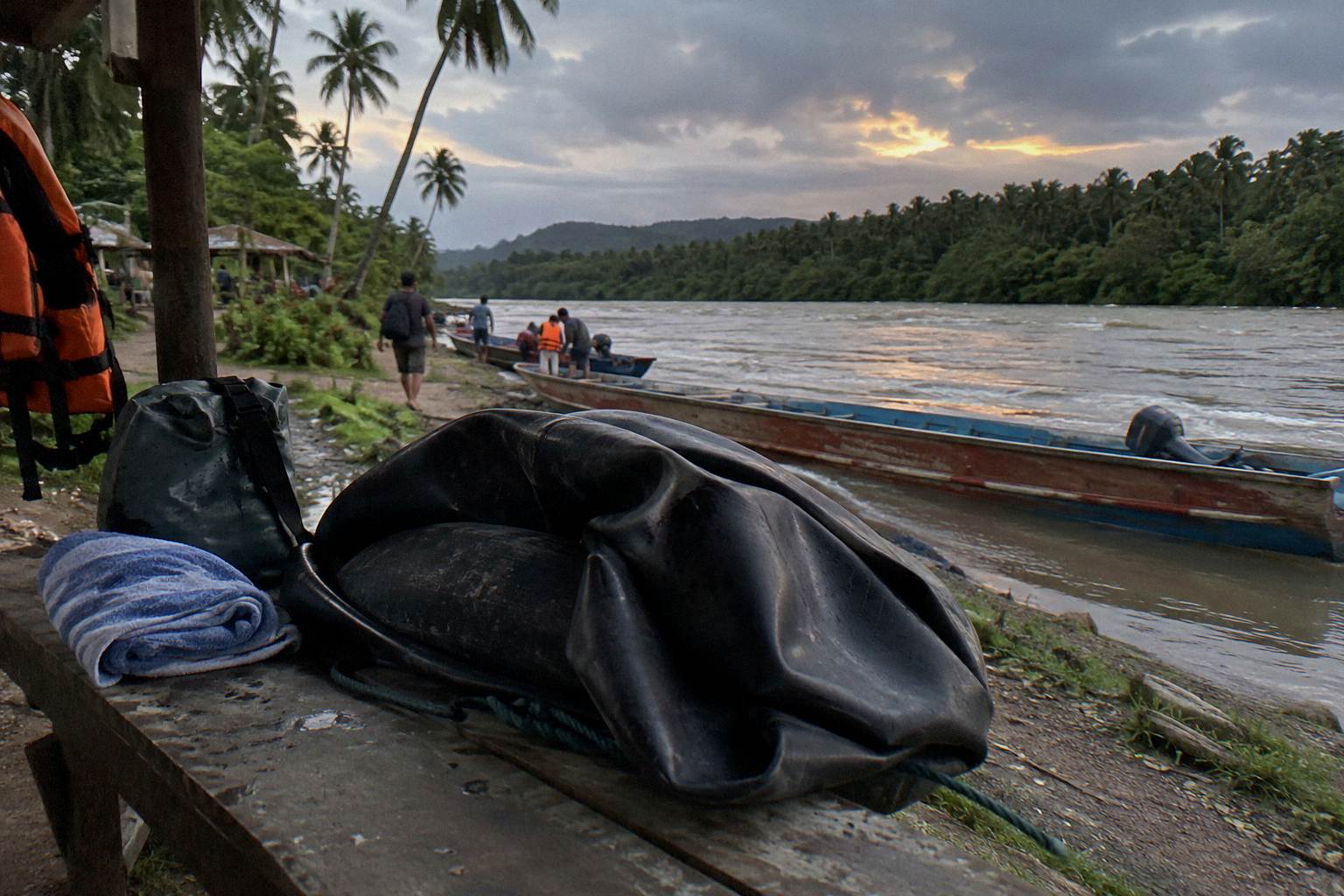
Morning versus afternoon matters less than you might assume, because these trips run as full-day departures rather than hourly floats. The timing decision that actually affects you is the one before the van arrives: sleep, breakfast, sunscreen applied before the life jacket, and everything on the operator's bring list packed the previous night. That list, from the operator's own terms, includes sunscreen, hats, towels, a change of clothes, water, rain gear and a skirt or sarong for women for the village visit, and the booking page adds comfortable or water shoes. The full packing rundown lives in what to bring river tubing.
Weather within the day deserves one line of realism. The wet season can deliver a burst of rain mid-float, and the dry season can deliver relentless sun on open water. Neither typically stops the trip. What both do is punish unprepared guests: no rain layer in the wet months, no sunscreen discipline in the dry ones. The time-of-year choice and the packing list are the same decision made twice.
For cruise passengers the arithmetic is tighter still. The cruise variant of the featured trip is the same river day sold against ship timings, and it succeeds or fails on transfer margins. That scenario has its own page, river tubing for Suva cruise ship passengers, which is worth reading before you pin your shore day to this tour.
How Far Ahead Should You Book, And Does Timing Affect Price?
There is no published dynamic pricing schedule to time a purchase against, so booking comes down to lead time and cancellation coverage, not bargain hunting. Book early enough to secure your preferred date and pickup point, keep at least one spare day in your itinerary for a reschedule, and hold the booking-page free cancellation up to 24 hours in advance as your safety net. Advance booking is standard practice for full-day river tours.
Why lead time matters is simple capacity logic. A tubing day runs with a set crew, a set fleet of tubes and longboats, and a van schedule strung along the coast from Nadi to Suva. Popular dates fill, and the pickup points you want may fill first. The featured trip is rated 4.8 across 181 reviews on its main booking page, with a second booking page showing a 4.9 rating and no stated count, and no ranking or comparison between those numbers should be inferred; they are different pages reporting the same river day. None of that tells you a date will sell out, but it tells you demand is real.
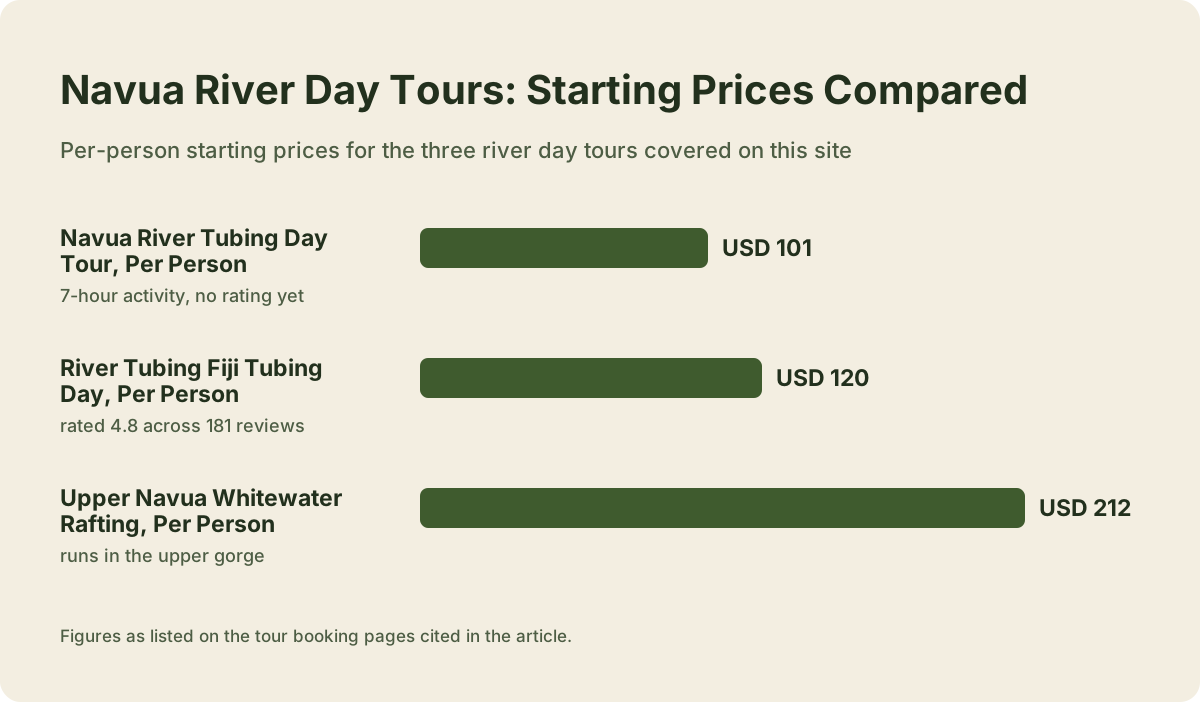
Price timing is a different matter. The from-price of USD 120 per person for the featured trip is the booking page's starting figure and varies by date and pickup. The Navua River Tubing Day Tour starts from USD 101, and Upper Navua Whitewater Rafting from USD 212. There is no published seasonal discount calendar for these trips, so no particular month can be identified as cheaper. You can compare the three trips' starting prices side by side and pick the format that fits your day and budget.
| Trip | From price per person | Duration as listed | Rating on its page | Timing notes |
|---|---|---|---|---|
| River Tubing Fiji | from USD 120 | guided tour about 5 h, plus transfers | 4.8 across 181 reviews | Free cancellation to 24 h on the booking page |
| Navua River Tubing Day Tour | from USD 101 | 7 hours | New activity, no rating yet | Same river system, longer listed day |
| Upper Navua Whitewater Rafting | from USD 212 | Full day | No rating printed | Upper gorge, a different stretch of river |
The buffer-day principle from the cancellation section applies doubly to advance booking. Booking ahead secures the date; a spare day after it protects the date. Travellers who stack their one free afternoon against a full-day river tour have no recovery option if anything shifts, while travellers who leave a float day can move with the river rather than against it. The deeper discussion of booking windows is in should you book river tubing in advance.
“This was a fantastic experience with a great guide and beautiful scenery. Highly recommend.”
If whitewater rather than gentle rapids is the goal, the same booking logic transfers to the upper river, where Rivers Fiji runs the gorge trip under a lease arrangement with the landowning mataqali groups in the conservation area, which the rafting operator's own page describes. And for the wider picture of how these trips sit among Fiji's adventure options, Tourism Fiji's own Pacific Harbour destination guide frames the area as the country's adventure hub, with tubing listed among the gentler river choices.
What Is The Realistic Best Plan, Month By Month?
The realistic plan is season plus buffer plus pickup point. Choose wet or dry season by your comfort preference, since no month is officially best. Book at least one spare day into your stay so a river-level amendment becomes a reschedule rather than a loss. Stay near Suva or Pacific Harbour if you can, keeping transfers under an hour. Confirm the village-visit status with the operator close to your date, and keep your cancellation channel's rules in mind.
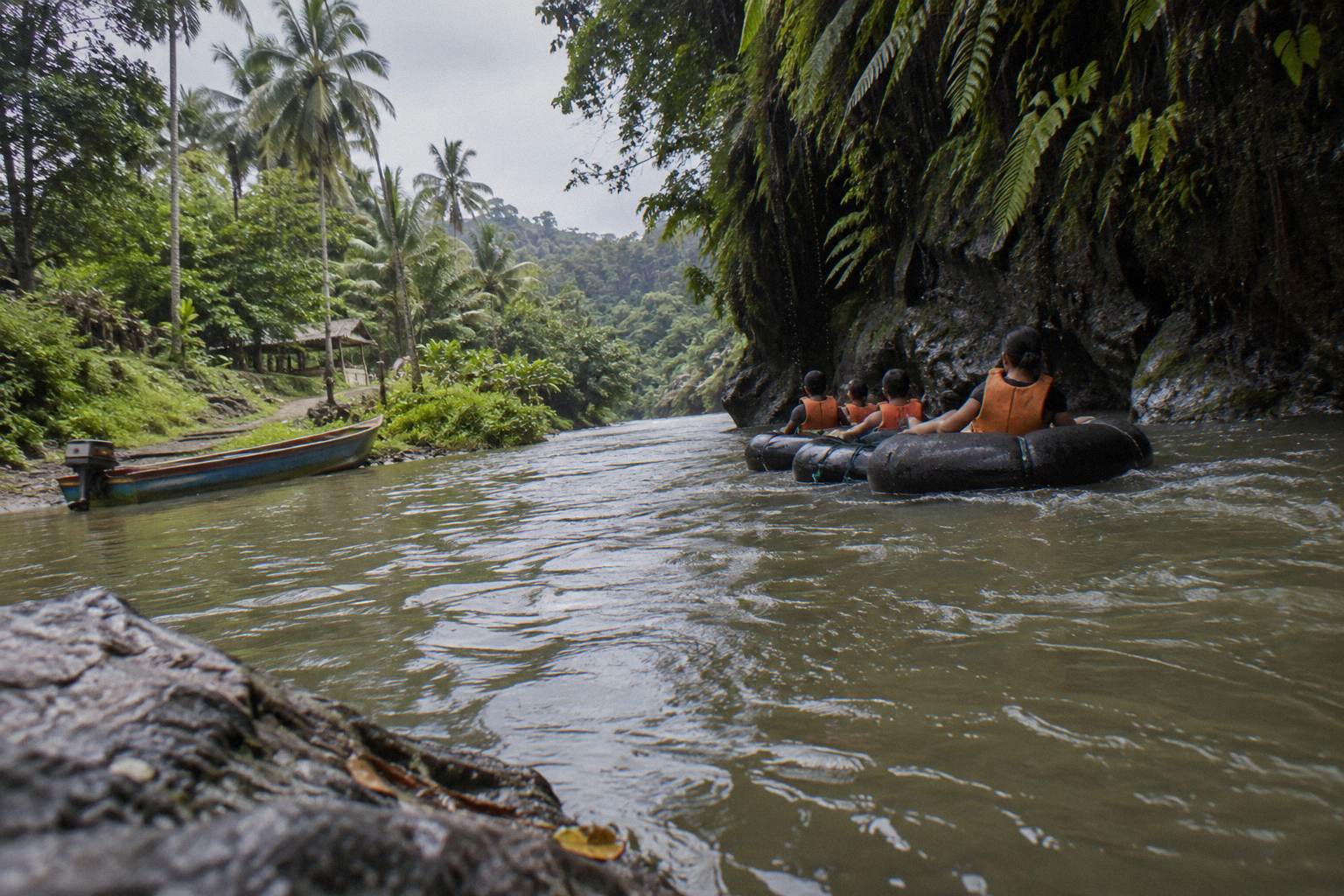
Run through the year in that spirit. From November to April, expect warmth, more frequent rain and, typically, a river with more water in it, which favours the village visit running; pack rain gear and take the heat seriously. From May to October, expect cooler, drier days and easier roads, with a higher chance the village leg is excluded in a dry spell; pack for sun on open water. In both seasons the waterfall swim, the lunch and the tubing float are the constants, and the operator's reassessment on the day is the mechanism that decides the rest.
Booking through the featured River Tubing Fiji Navua River adventure keeps the practical pieces in one place: coastal hotel pickup, gear and life jackets, lunch and the tube float, from USD 120 per person, with free cancellation to 24 hours on its booking page. The alternative format, the longer 7-hour Navua River Tubing Day Tour, suits travellers who want the covered longboat and buffet lunch version of the same river valley at a lower from-price, accepting that as a new activity it carries no rating yet. The whitewater option belongs to a different ambition entirely, the upper gorge, and a different budget.

The final word on timing is that the river keeps its own schedule. You can stack every advantage, the friendlier season, the early booking, the short transfer, the buffer day, and still wake to a dry-spell notice or a burst of rain that reshapes the route. Equally, a booking made with no strategy at all can land on a perfect green-water morning with the village drumming welcome. What good timing actually buys you is not a guaranteed itinerary, because none exists. It buys optionality: the ability to move your date, the cancellation cover to exit cleanly, and the knowledge, before the van arrives, of which parts of the day are fixed and which parts the river is still deciding. That is the best time to go tubing: the date you chose with your eyes open, on a river you understand.
Common Questions About Tubing Timing
What Is The Best Time To Go Tubing?
There is no stated best month. Fiji's general pattern is a wet, warm season from November to April and a cool, dry season from May to October, but the factor that actually changes the trip is river level: the village visit is excluded when low water makes it unsafe, and the operator may cancel or amend for river or weather conditions, with a full refund or reschedule if they cancel.
Does The Village Visit Always Run?
No. The operator's home page carries a dry-spell notice that the village visit is temporarily excluded when low water levels make the additional journey unsafe, and the route is reassessed on the day if rain restores safe conditions. The main booking page says the same. Never book on the assumption the village stop will happen.
Is Wet Season A Bad Time To Book Tubing?
Not necessarily. Wet season often means more water in the river, which improves the odds the village visit runs. The trade-offs are heat and more frequent rain. The dry season brings cooler days but a higher chance low water trims the itinerary. Neither season comes with an operator promise.
How Late Can I Cancel If My Timing Changes?
It depends on the channel. The booking pages for River Tubing Fiji and the Navua River Tubing Day Tour show free cancellation up to 24 hours in advance. The operator's direct terms are tiered: no fee beyond 48 hours, a 50 percent fee between 48 and 24 hours, and a 100 percent fee inside 24 hours.
How Long Is The Day From Pickup?
Count the transfers. The guided portion runs about 5 hours, or about 5.5 on a second booking page, with a 7-hour listing for the Navua River Tubing Day Tour. Guests from the Nadi side report roughly 3 hours each way by van, while Suva and Pacific Harbour sit under an hour from the river.
Should I Leave A Spare Day In My Itinerary?
Yes. A buffer day lets a river-level amendment become a simple reschedule instead of a lost booking, and it keeps you inside whichever cancellation window your channel uses. Anyone with only one free day has no recovery option if conditions shift.