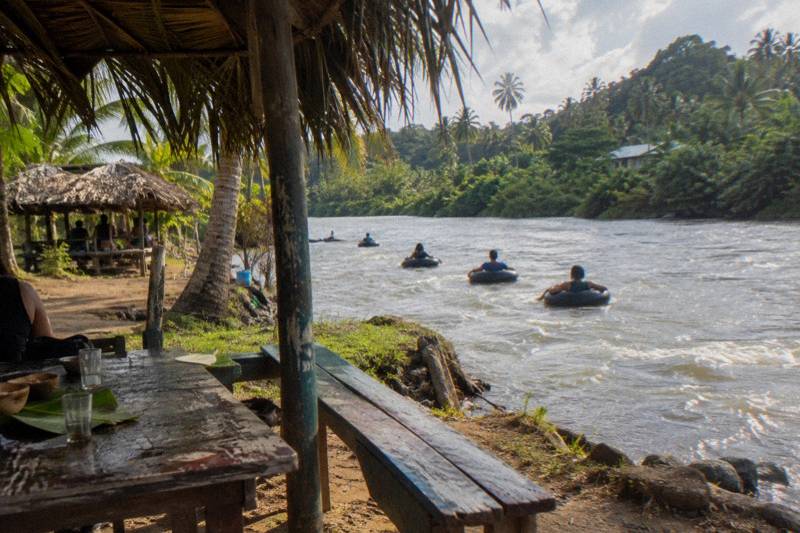
What Happens To River Tubing In Fiji When It Rains Or In The Wet Season?
"Rain does not automatically cancel a Navua River tubing day. River level, the seasons and each booking channel's cancellation policy decide whether your Navua River tubing trip runs.
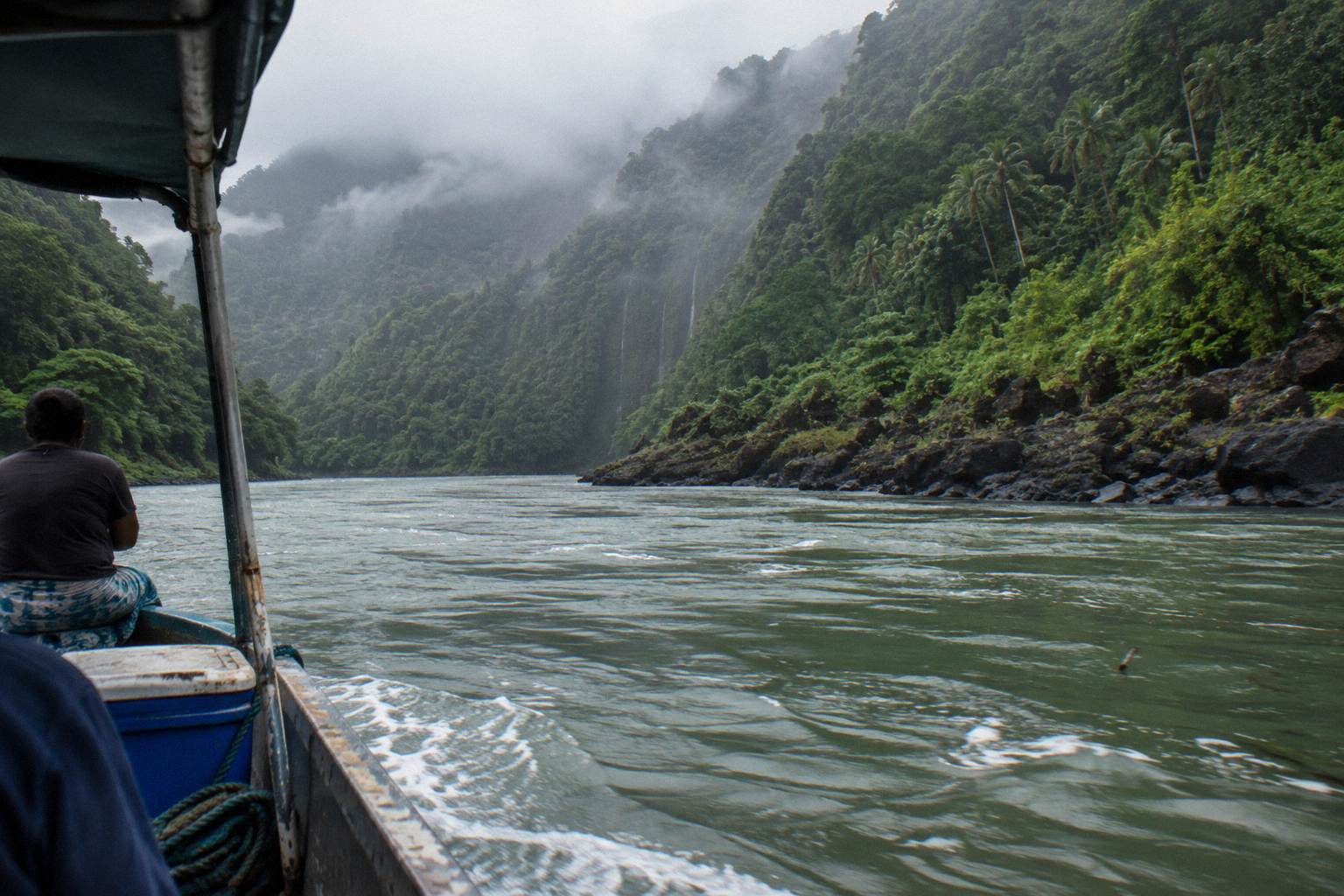
Rain alone does not cancel a Navua River tubing day, and light rain is often a good thing: it lifts the river level, which is what decides how much of the route runs. The operator keeps the right to cancel or amend any trip for river or weather conditions, and if they cancel for river conditions the guest gets a full refund or a reschedule. What changes most in rain is the itinerary, not the tubing itself.
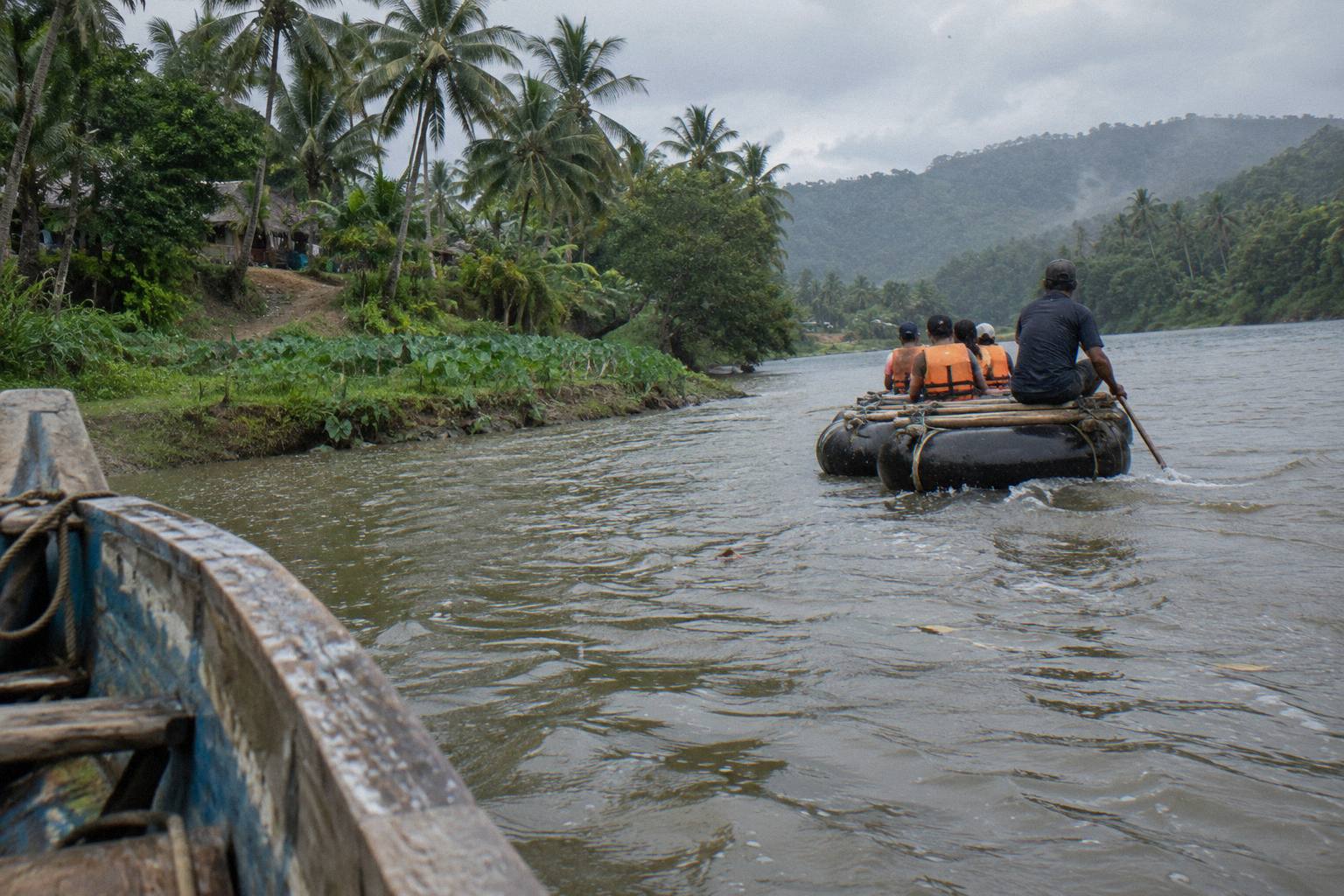
Fiji sits in the tropics, and the country's climate splits into two broad seasons rather than a wet day here and there. The wet and warm season runs from November to April, and the cool and dry season runs from May to October. That is general climate information from the Fiji Meteorological Service, not an operator promise, and no official page states a best month for tubing, so treat any "perfect month" claim made elsewhere with caution. What the operator does publish is a live notice about river level, and that notice is the real answer to this question.
The key distinction travellers miss is between rain you float in and conditions that change the route. The tubing trip happens on the lower Navua River, starting from the Navua side, and rain falling in the catchment upstream moves the water level hours later. A shower during your float is simply warm tropical rain. A sustained downpour upstream is a different matter, because the operator reassesses the route on the day and may amend the itinerary, and the most common amendment is dropping the village visit.
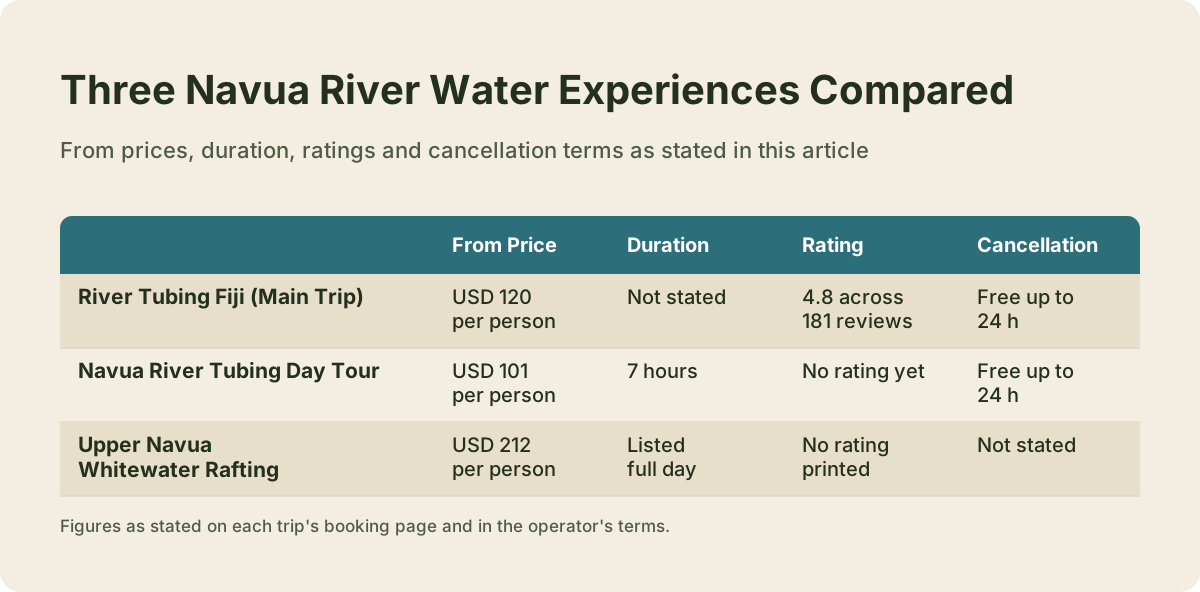
The main booking page for the featured trip, River Tubing Fiji, from USD 120 per person, shows free cancellation up to 24 hours in advance, which matters when a forecast looks grim. Before comparing the specific options, it helps to see all three Navua River water experiences side by side, because rain affects each one differently: tubing is the gentler option, while whitewater rafting on the upper river depends even more on what the water is doing.
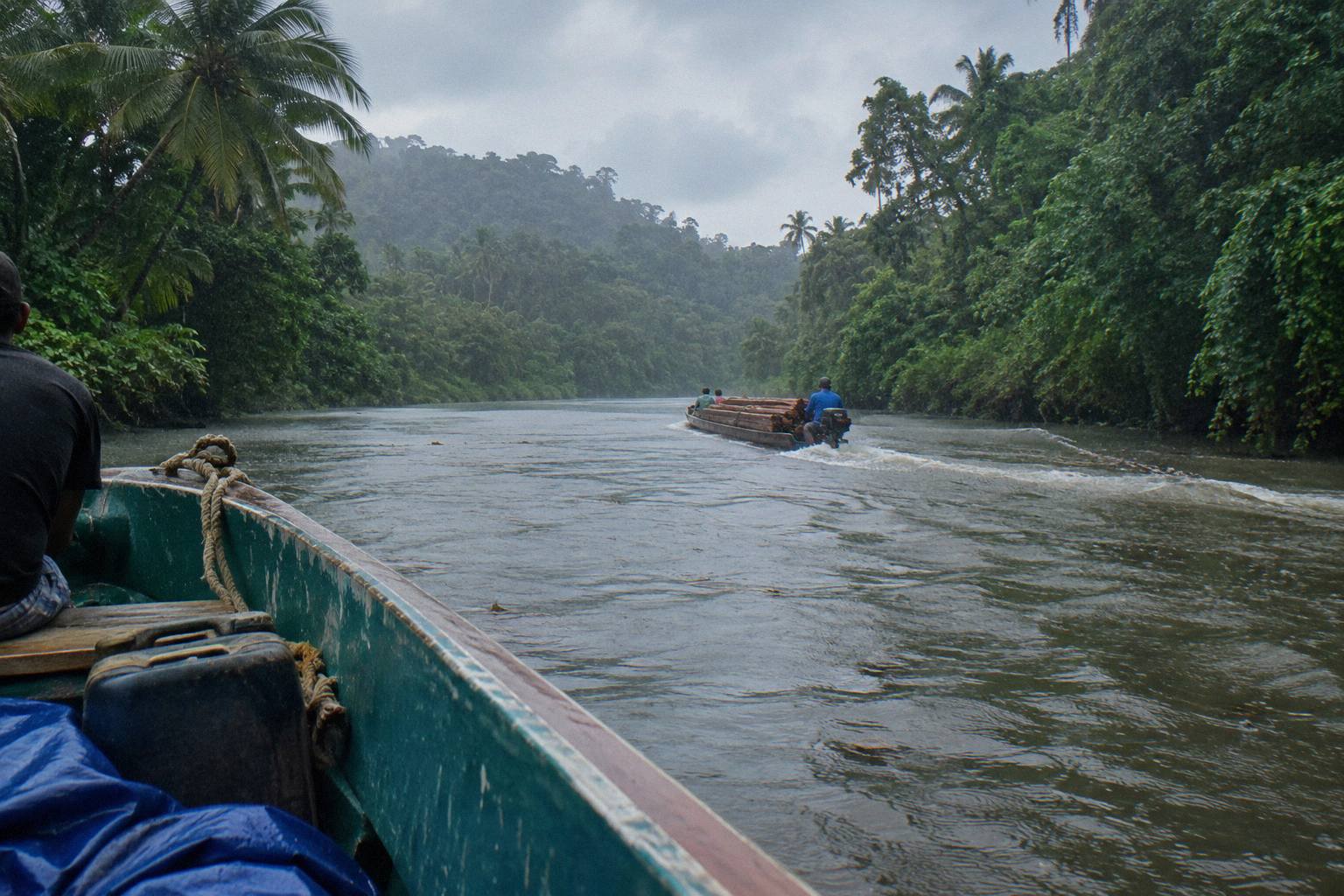
A quick word on how the day is built, because the structure explains why rain changes it. The standard itinerary runs: hotel pickup and briefing with life jackets and gear, a longboat ride upriver past greenery and waterfalls, a guided Fijian village visit when river levels allow, a waterfall swim, a riverside Fijian-style lunch with a vegetarian option on request, and then the tube float down gentle rapids. Every one of those steps except the tube float is optional in the operator's own planning: the longboat leg and the village stop are the pieces that get trimmed or shuffled when the river is too low or, occasionally, too high. The tubing itself is the last thing to go.
Does Rain Cancel The Trip Or Just Change It?
Most often it just changes it. The operator's terms allow them to cancel or amend a trip for river or weather conditions, and if they cancel for river conditions the guest receives a 100% refund or a reschedule, their choice of remedy in the terms. Rain falling on the day rarely triggers that clause on its own; it is the river's response to upstream rain, assessed on the day, that decides.
“Everything about this tour was amazing. From the food to the crews singing was an overall great experience, I highly recommend!”
The operator's own terms page states this plainly: trips may be cancelled or amended for river or weather conditions, and an operator cancellation for river conditions comes with a full refund or a new date. That is the operator's published position, spelled out on the River Tubing Fiji terms page before you book anything, because the same page also sets out the direct-booking cancellation tiers.
What rain does not do, according to everything the operator publishes, is stop the float automatically. There is no published rainfall threshold, no stated wind limit and no stated river gauge figure, and none should be invented: the decision is made on the day by the crew who can see the water. Travellers reviewing the trip in late 2026 describe guides singing cultural songs during the float and days proceeding in ordinary tropical weather, including passing showers. The practical reality of a Fiji wet season day is that rain arrives in bursts, often brief, and the river keeps moving between them.
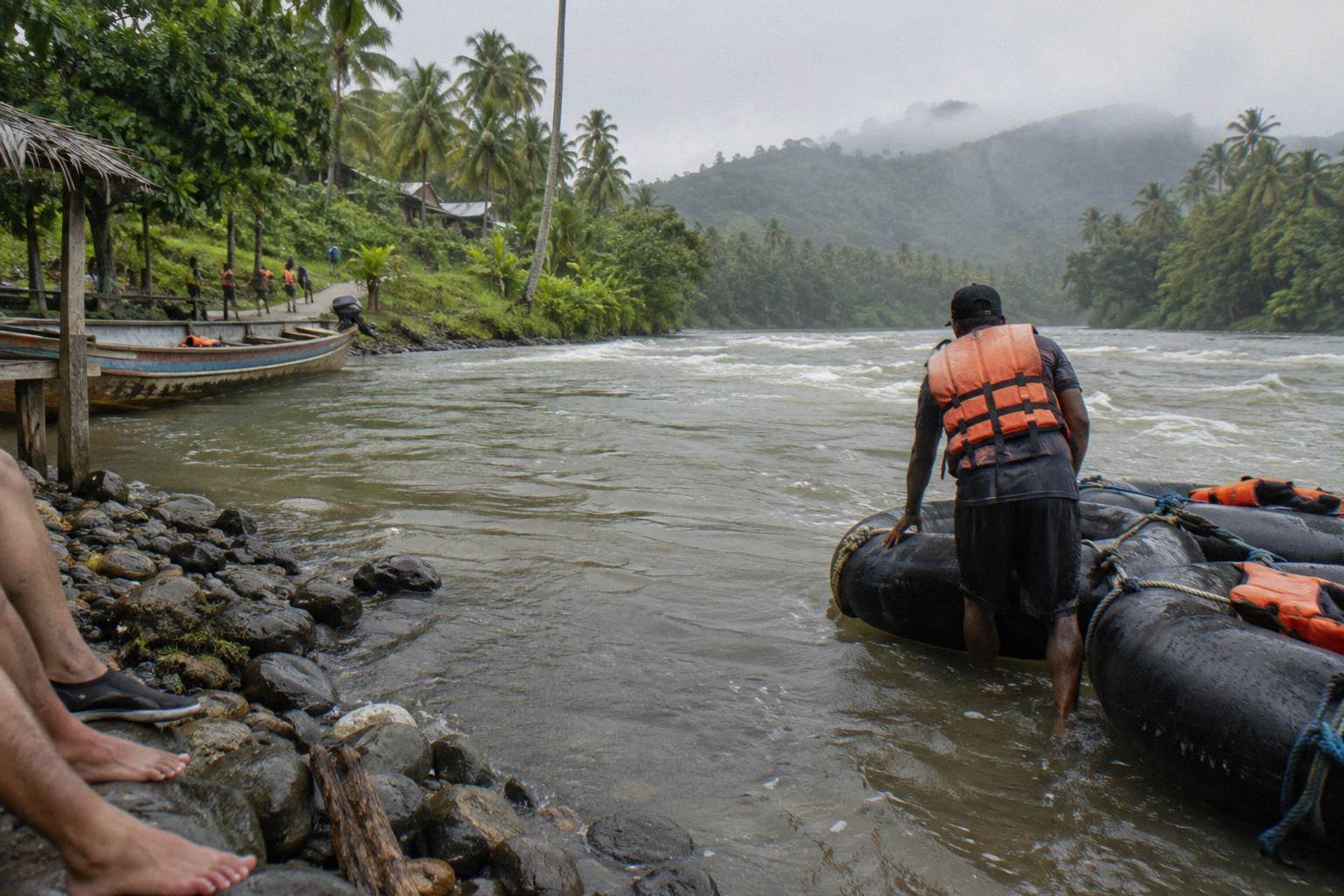
There is a second, newer tubing option on the same river worth knowing about when rain is in the forecast. The Navua River Tubing Day Tour, from USD 101 per person and listed at 7 hours, is a new activity with no rating yet; its booking page names Bula Online Fiji Tours and Watersports as the provider, and beyond that name nothing is claimed here about the company. Its listing includes a covered long boat, a village visit when river levels allow, a waterfall swim in a freshwater pool, a buffet lunch and the tubing run, with life jackets and safety equipment provided and return resort pickup included. Like the main trip, it shows free cancellation up to 24 hours in advance, and its page is not suitable for children under 6 or people with mobility impairments.
Neither listing promises the weather. Both leave the day open to amendment, and both give you a 24-hour exit on the booking page if the forecast turns genuinely ugly.
“Great day out with heaps of fun. Guides were great and very humorous and sang some beautiful songs while we were tubing. Throughly recommend this activity. Waterfall swim and view was just superb. Thanks.”
How The River Level Changes The Itinerary
The single most rain-sensitive part of the day is the village visit. The operator's home page carries a dry-spell notice stating the visit is "temporarily excluded when low water levels make the additional journey unsafe", and the route is reassessed on the day if rain restores safe conditions. Counter-intuitively, the village stop is more likely to drop in dry weather than in rain: low water, not wet weather, is what removes it.
This is the detail most first-time visitors get backwards. The village sits roughly 5 km further upriver than the waterfall, which itself is approximately 12 km up the Navua from the start, so reaching the village means about 17 km of upriver travel by longboat. When the river runs low, that final leg becomes unsafe for the boat and the visit is cut, with the rest of the day proceeding. When rain lifts the level back to a safe range, the crew reassesses on the day and the visit can return. Nobody can promise you the village stop in advance on any channel.
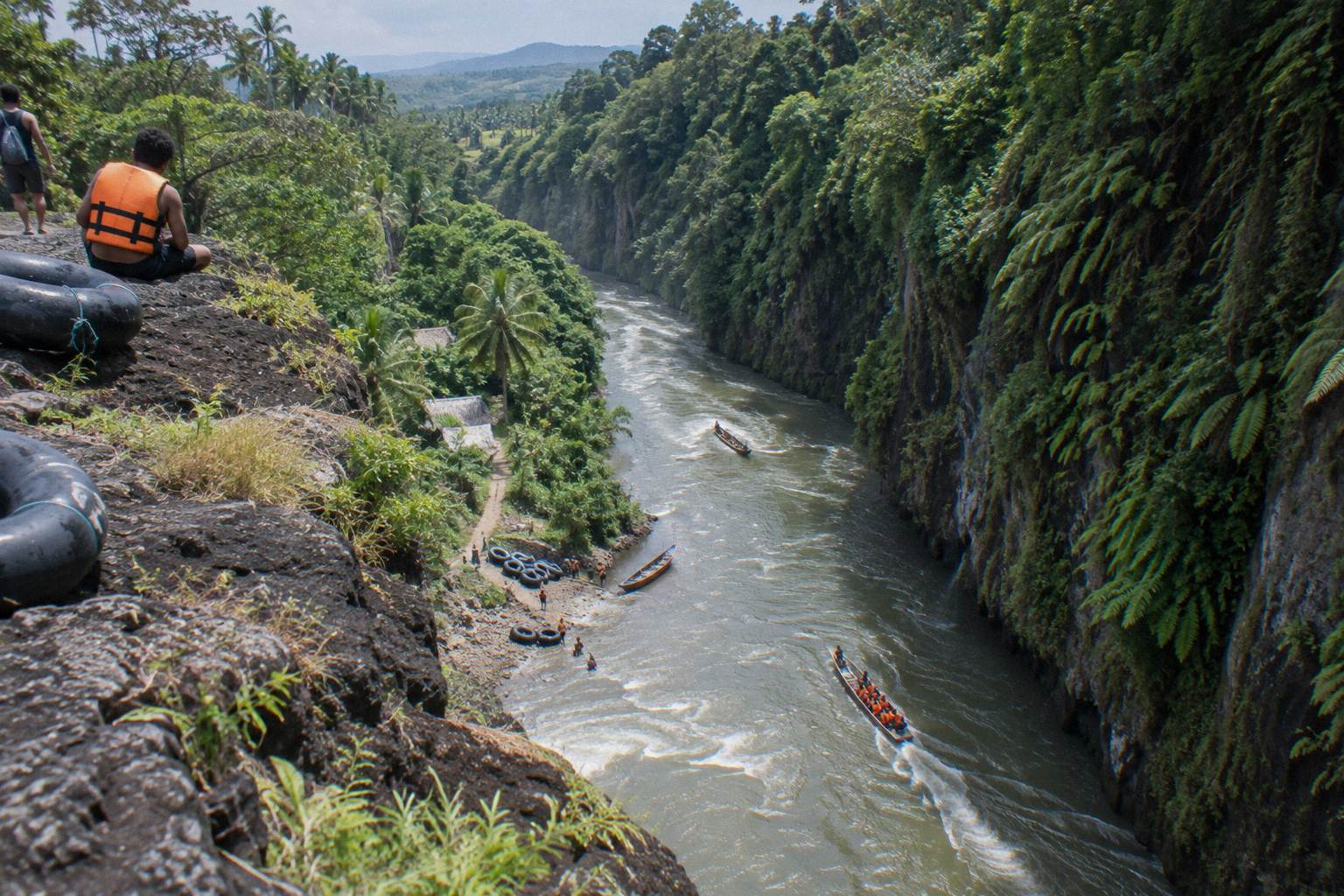
The waterfall swim, by contrast, is a standard part of the published itinerary and is not flagged in the dry-spell notice. It is described as swimmable in a freshwater pool, and the operator does not name it, so the waterfall likewise goes unnamed. Lunch stays on the plan regardless: it is a riverside Fijian-style meal with a vegetarian option on request, and rain moves it under cover rather than off the menu.
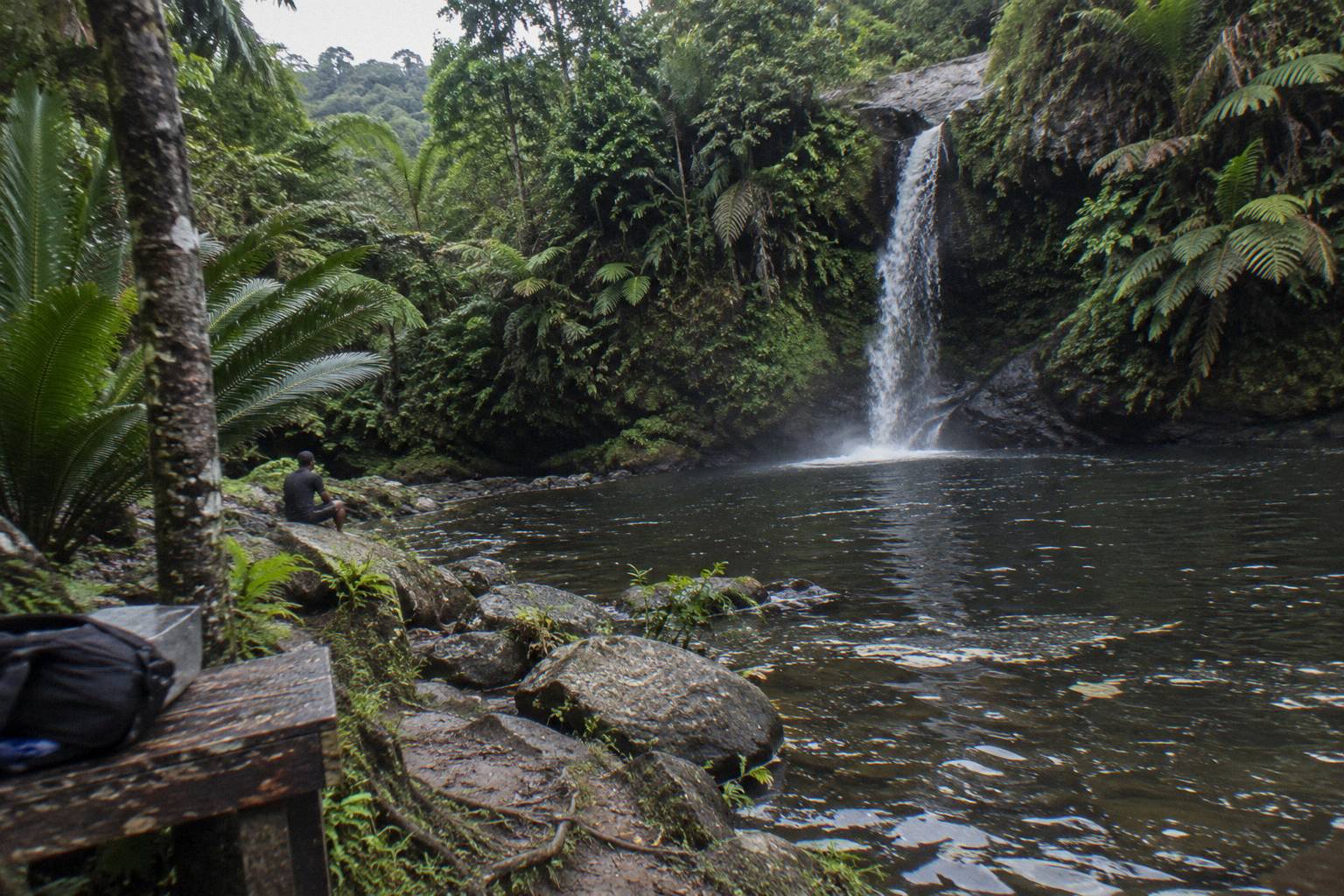
For a fuller walkthrough of the day in normal conditions, including the longboat ride the Tourism Fiji listing describes as passing "meandering rapids, cascading waterfalls, tropical rain forest and deep gorge", see the Navua River tour itinerary breakdown. The short version for a rainy day: pickup, briefing and gear issue happen exactly as scheduled, the boat ride happens unless the operator amends the route, the village visit is the conditional item, and the tube float down gentle rapids closes the day as planned.
One boundary worth knowing: the tubing route is on the lower river and does not enter the Upper Navua Conservation Area, the deep upstream gorge protected as a Ramsar site. That matters in rain because the two reaches behave differently, and conditions in the protected upper gorge say nothing definitive about the gentler lower-river float.
Wet Season Versus Dry Season: What Actually Differs
Fiji's wet and warm season runs November to April and the cool and dry season runs May to October, as general climate only, with no official page naming a best month for tubing. Neither season is a booking guarantee in either direction: dry season brings the low-water risk to the village visit, and wet season brings more frequent showers and a livelier river. The operator publishes no monthly rainfall, temperature or river-level figures, and none appear here.
| Wet and warm season | Cool and dry season | |
|---|---|---|
| Months | November to April | May to October |
| General character | More frequent rain, warmer | Cooler, drier, but not rain-free |
| Effect on river level | Rain tends to lift the level | Low water more likely in dry spells |
| Effect on village visit | More likely to be reachable if levels are safe | Dry-spell notice may exclude it |
| Effect on the tube float | Runs unless the operator amends for conditions | Runs unless the operator amends for conditions |
The rows above are planning logic drawn from the operator's own river-level notice and the general climate summary, not operator promises. Rain is a variable, not a verdict. A wet-season booking carries a higher chance of showers during the day and a lower chance that low water scraps the village leg; a dry-season booking carries the reverse. Plenty of wet-season days are sunny all afternoon, and plenty of dry-season afternoons produce a brief tropical downpour.
What you should not do is shop for a "guaranteed dry" month, because none exists in the official record, and any site that sells you one is guessing. If a village visit is the part of the day you care most about, the practical move is to accept that it is conditional, check the operator's current notice before booking, and hold your plans loosely. The Tourism Fiji Pacific Harbour page is a reasonable public reference for the area's general adventure character, including its description of Pacific Harbour as less than an hour's drive from Suva and about two and a half hours from Nadi, which shapes how much of your day the transfers take.
After the village stop, the second thing rain changes is comfort, and that is entirely within your control through packing, which the next section covers in full.
Cancellation And Refunds: Each Channel Has Its Own Policy
Cancellation terms depend entirely on which channel you book through: the operator's direct policy charges 100% within 24 hours of departure, 50% between 24 and 48 hours, and nothing beyond 48 hours, while the booking pages for the main trip and the Navua River Tubing Day Tour each offer free cancellation up to 24 hours in advance. If the operator cancels for river conditions, guests receive a 100% refund or a reschedule under the operator's terms.
| Channel | Cancel more than 48 h before | 24 to 48 h before | Within 24 h | Operator cancels for river conditions |
|---|---|---|---|---|
| Operator direct (their terms) | No fee | 50% fee | 100% fee | 100% refund or reschedule |
| Main booking page, River Tubing Fiji | Free up to 24 h in advance | Free up to 24 h in advance | Fee applies inside 24 h | Refund or reschedule per operator terms |
| Navua River Tubing Day Tour booking page | Free up to 24 h in advance | Free up to 24 h in advance | Fee applies inside 24 h | Not stated beyond the page's cancellation line |
The important reading of that table: rain risk is mostly a booking-timing question, not a gambling question. Booking the main trip through its live listing with free cancellation up to 24 hours in advance means a deteriorating forecast the night before costs you nothing to walk away from. Booking direct trades that flexibility for whatever the operator's own arrangement offers, and the direct terms are firmer inside 48 hours. Neither channel lets you out for free on the morning itself, which is why the operator's river-condition clause matters: if the water, not you, ends the day, the terms provide the full refund or a new date.
River Tubing Fiji is from USD 120 per person on its main booking page, rated 4.8 across 181 reviews on that page, and a second booking page for the same trip shows a 4.9 rating. The Navua River Tubing Day Tour is from USD 101 per person. Upper Navua Whitewater Rafting, provider Rivers Fiji on its page, is from USD 212 per person with no rating printed. Prices move by date and pickup point, so treat every figure as a from-price and confirm it on the live listing before relying on it.
“Had the most amazing time. Peter our guide was the best, he told us so many stories about his village & he ensured we had the best time white water rafting. A must do when you visit Fiji, is absolutely beautiful & adventurous! Thanks Peter!! Morne and Dan!”
What To Pack When Rain Is Likely
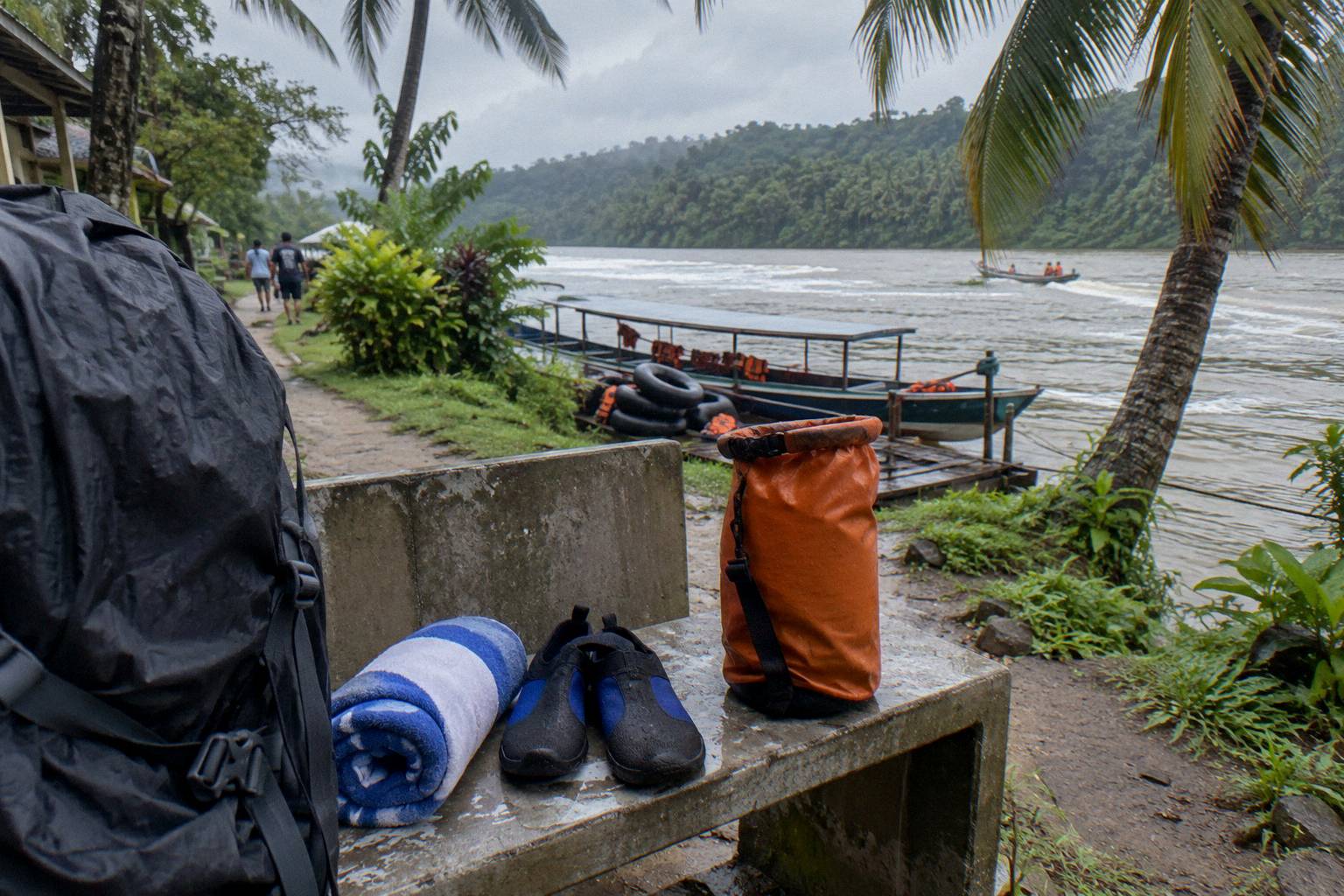
The operator's official packing list already assumes changeable weather: sunscreen, hats, towels, a change of clothes, water, rain gear, and, for the village visit, that ladies bring a skirt or sarong, plus what the terms call "a great attitude". The home page adds bottled water, and the main booking page adds comfortable shoes or water shoes. Rain gear is on the operator's own list, which tells you rain is an expected condition, not an exception.
There is no phone, camera, jewellery or alcohol policy stated anywhere official, so ask the operator. What the operator does publish is that a photo package is sold, described as a "package of pictures", which exists precisely so your devices need not get wet on the river. On a rainy day that is a genuinely useful option, because a waterproof claim you assume is not the same as a policy the operator has written down.
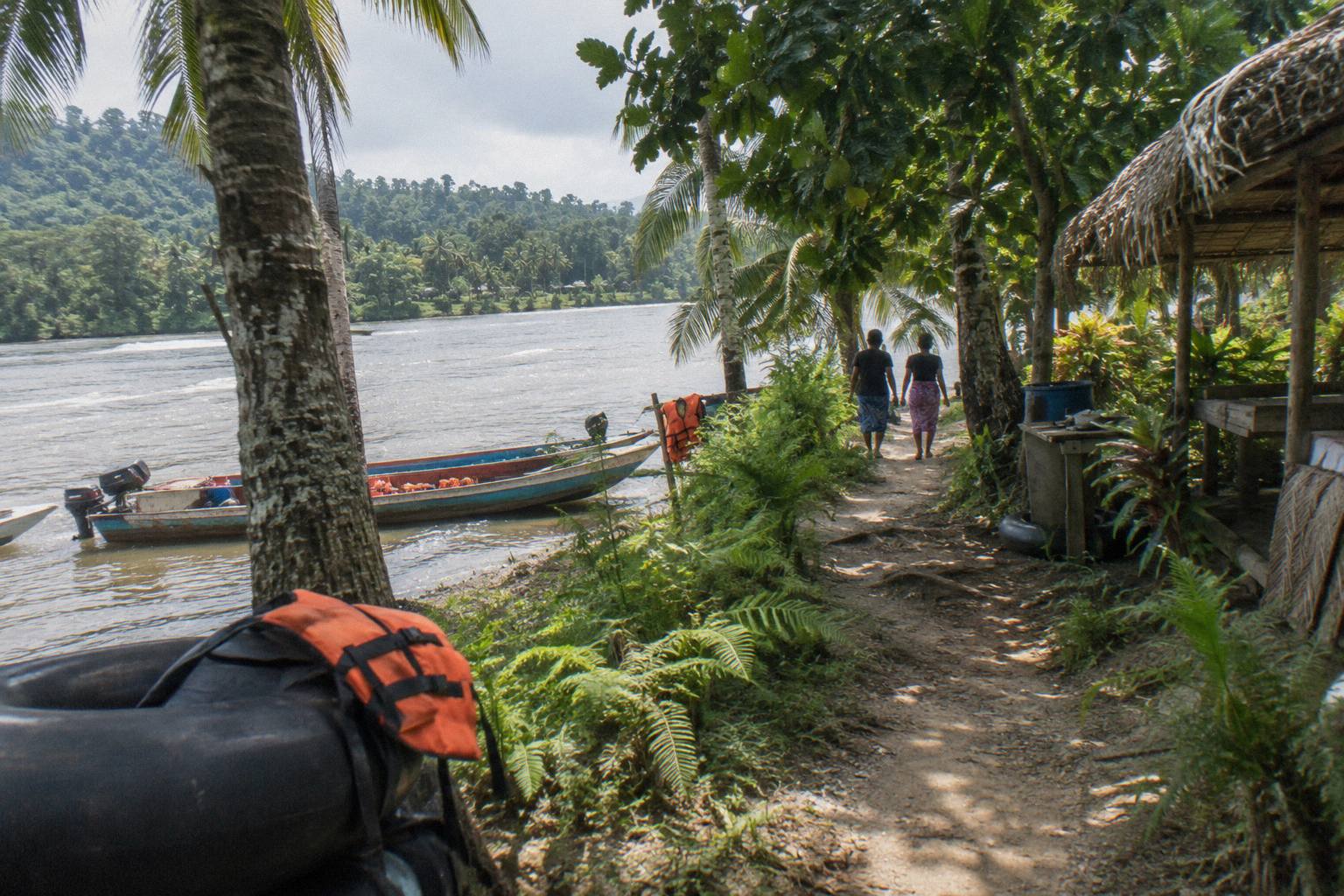
For the full item-by-item version, see the river tubing packing guide, which also covers the dress rules for the village in one place. Two village dress notes belong here because rain changes how people dress down: the operator's terms for the River Tubing Fiji trip say ladies need to bring a skirt or sarong for the village visit, and the Navua River Tubing Day Tour page separately states that hats, bare shoulders and bare knees are not permitted in the village. Each rule belongs to its own trip and its own source, and the two are not swapped.
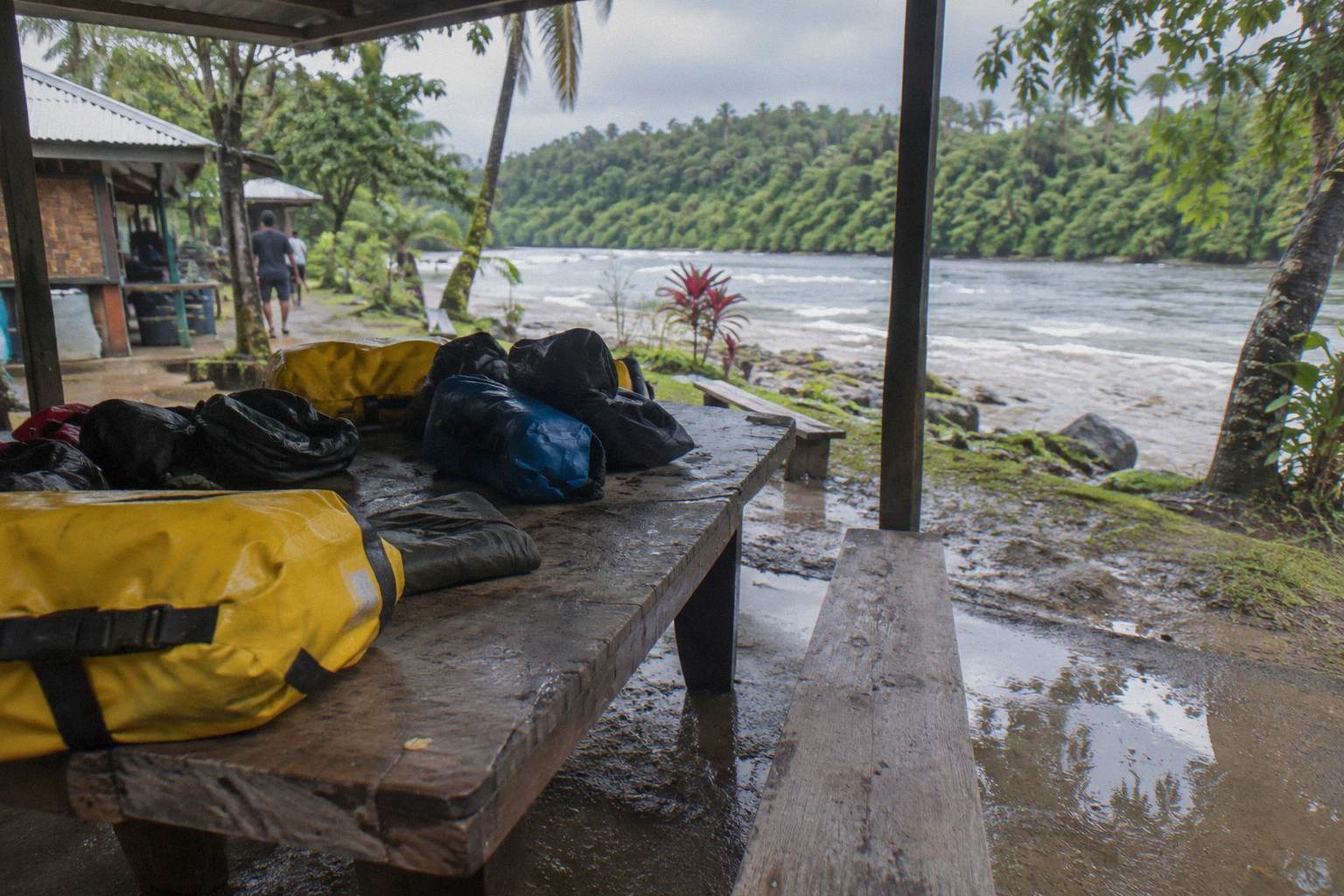
Comfort in rain is mostly about the after. You will get wet on the tube float regardless of the sky; rain simply means you are also wet between the float and the changing point, which is what the towel and the change of clothes on the official list are for. Water shoes earn their place on a rainy day more than any other item, because banks and boat steps get slick, and the main booking page lists them for exactly this kind of reason.
When Rain Points You To A Different River Trip
If persistent heavy rain has the lower river amiss, the upper-river alternative behaves differently: Upper Navua Whitewater Rafting from Rivers Fiji, from USD 212 per person for a listed full day, runs the deep protected gorge where higher water can be the point rather than the problem. It has no rating printed on its page, and its age, weight and fitness rules are not stated, so suitability has to be confirmed with the provider, not assumed.
The two experiences are genuinely different products, and rain is a reasonable lens for choosing between them. Tubing is Tourism Fiji's "gentler option" on the middle and lower Navua, built around a village, a waterfall and a lunch. Rafting in the upper gorge is a committed whitewater day through a canyon about 75 m deep and 5 to 25 m wide, inside a conservation area designated a Ramsar site in 2006 and protected through a lease with nine mataqali, according to the rafting operator's own description of the arrangement. The Ramsar site record lists the area at 615 hectares and notes the endemic sago palm and 17 endemic bird species in the surrounding forest.
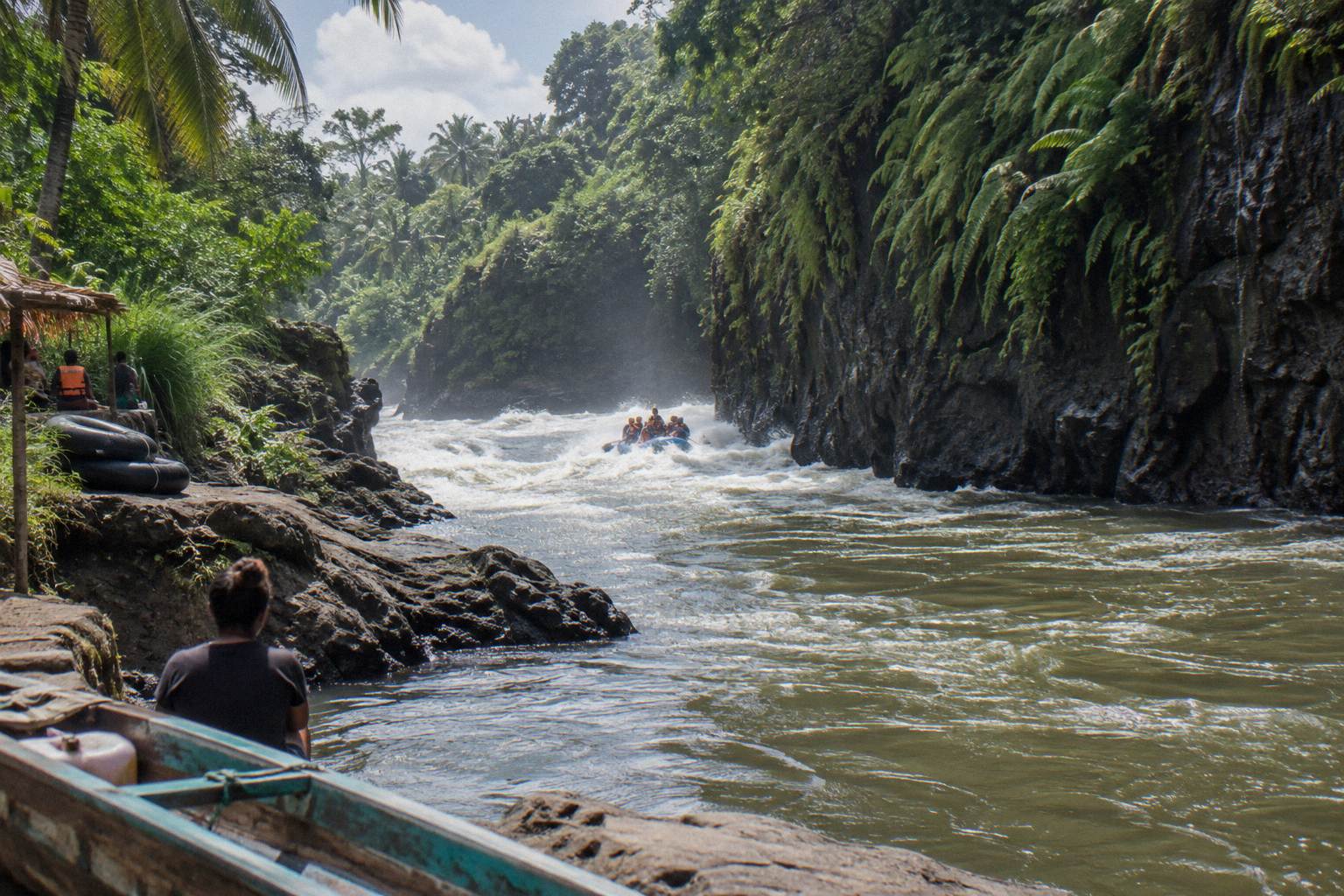
Higher water that makes a gentle tubing float bouncier can be exactly what a grade-conscious rafting day wants, which is why some travellers switch products rather than cancel, when the weather is unhelpful for one and helpful for the other. That is a decision to make with the operators on the day, not a rule, and nothing here promises either trip runs in any given condition.
If rain is forcing a rethink of the whole water-day plan, the Pacific Harbour adventure tour options page rounds up how the tubing day pairs with other activities in the area, and the rain and river tubing booking timing post covers how far ahead to commit given the cancellation windows above. The short answer there: the free 24-hour cancellation on the main booking page rewards booking early and deciding late, rather than waiting and hoping.
Whatever you choose, decide it with the forecast in hand and the cancellation clock in mind, and let the crew make the river call on the day. That division of labour, you managing the booking, the operator managing the water, is how a rainy Fiji booking works when it works well.
Common Questions About Rain And Wet Season River Tubing
What Happens If It Rains Or In The Wet Season?
Rain alone does not cancel the day. The operator may cancel or amend a trip for river or weather conditions, with a 100% refund or reschedule if they cancel for river conditions. Light rain often helps by lifting the river level; the itinerary, especially the village visit, is what changes.
Will My Tubing Trip Be Cancelled If It Rains On The Day?
Not automatically. The operator's terms allow cancellation or amendment for river or weather conditions, and if they cancel for river conditions you get a 100% refund or a reschedule. The decision is made on the day based on the river, not on the sky above the pickup point.
Is The Village Visit Guaranteed?
No. The operator's home page carries a notice that the village visit is temporarily excluded when low water levels make the additional journey unsafe, and the route is reassessed on the day if rain restores safe conditions. No channel promises the visit in advance.
When Is Fiji's Wet Season?
The wet and warm season runs November to April and the cool and dry season runs May to October, as general climate information from the Fiji Meteorological Service as summarised in secondary sources. No official source names a best month for tubing, and no monthly rainfall or river-level figures are published for the trip.
Can I Cancel If The Forecast Looks Bad?
It depends on the channel. The main booking page and the Navua River Tubing Day Tour page each show free cancellation up to 24 hours in advance. The operator's direct terms charge 100% inside 24 hours, 50% between 24 and 48 hours, and nothing beyond 48 hours. Each policy stands on its own channel.
Should I Bring Rain Gear Tubing?
Yes, rain gear is on the operator's own official packing list, along with sunscreen, a hat, a towel, a change of clothes and water, with ladies asked to bring a skirt or sarong for the village visit. The main booking page adds comfortable shoes or water shoes. A photo package is sold so devices need not get wet.