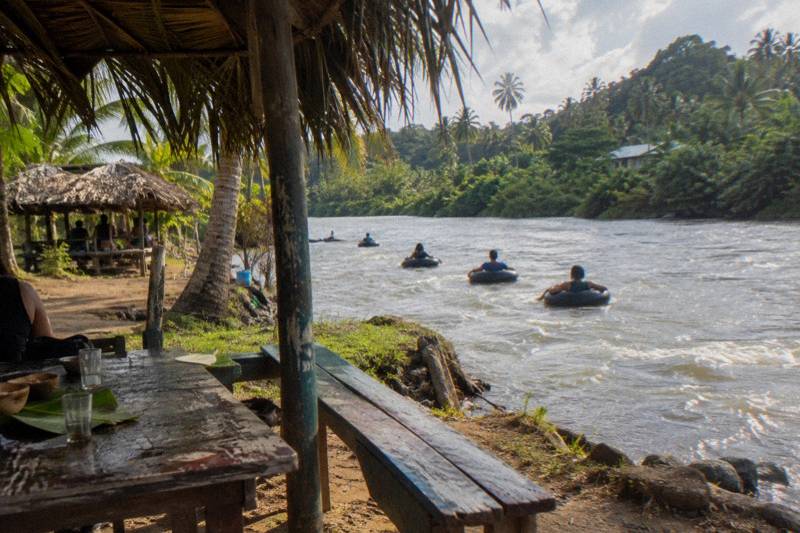
Do You Get Wet When Tubing?
Yes, you get wet on the Navua River tubing day: the itinerary includes a waterfall swim and a float downriver in a life vest. Here is how wet, what to bring, and how to keep devices dry.
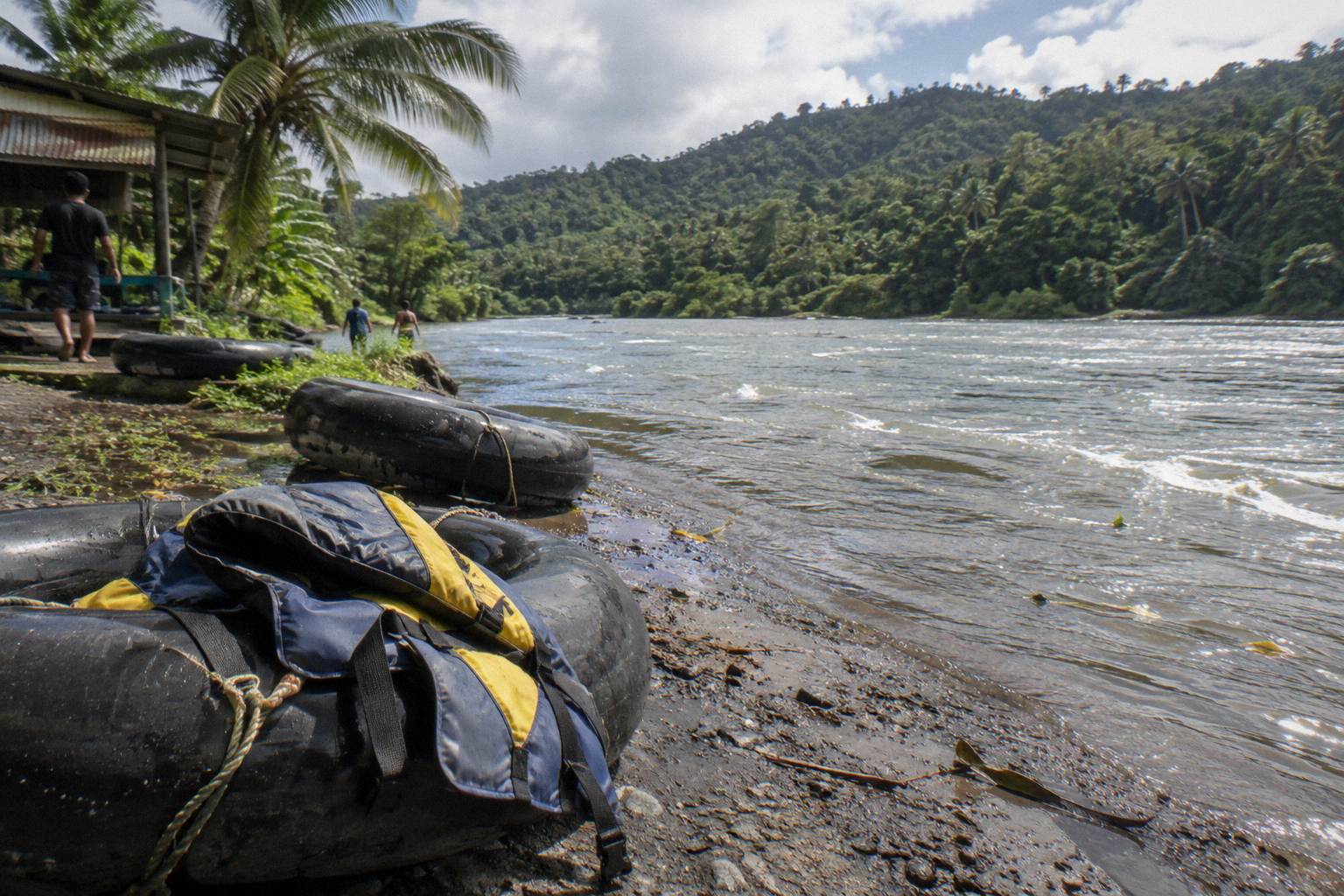
Yes, you get wet, and the wetness is the point. The Navua River tubing day includes a swim at a waterfall roughly 12 km upriver and a float back down through what the operator calls "gentle rapids", wearing a life vest the whole time. The operator's own packing list assumes damp clothes: it names towels and a change of clothes. How wet each person gets varies with the river and their own choices, but nobody finishes the day dry.
The question sounds almost too simple to ask, but it is a genuinely useful one, because the answer shapes what you wear, what you carry and whether your phone survives. On the Navua River trip run by River Tubing Fiji, water is not an occasional splash, it is the structure of the day. The itinerary, in the operator's own order, is: hotel pickup, a welcome briefing where life jackets and gear are handed out, a longboat ride upriver past greenery and waterfalls, a guided Fijian village visit when river levels allow, a waterfall swim, a riverside Fijian-style lunch with vegetarian options on request, and then the tube float back downriver.
Tourism Fiji describes the same stretch in its own words, a boat ride "through meandering rapids, passing cascading waterfalls, tropical rain forest and deep gorge". So two of the six stops involve being in the water deliberately, and the longboat and the float put you on it for the rest. The village visit when river levels allow and lunch are the dry intervals, which is worth knowing when you are deciding what to wear: the operator's terms specifically note that "ladies need to bring a skirt or sarong for the village visit", a garment you will want to have kept dry.
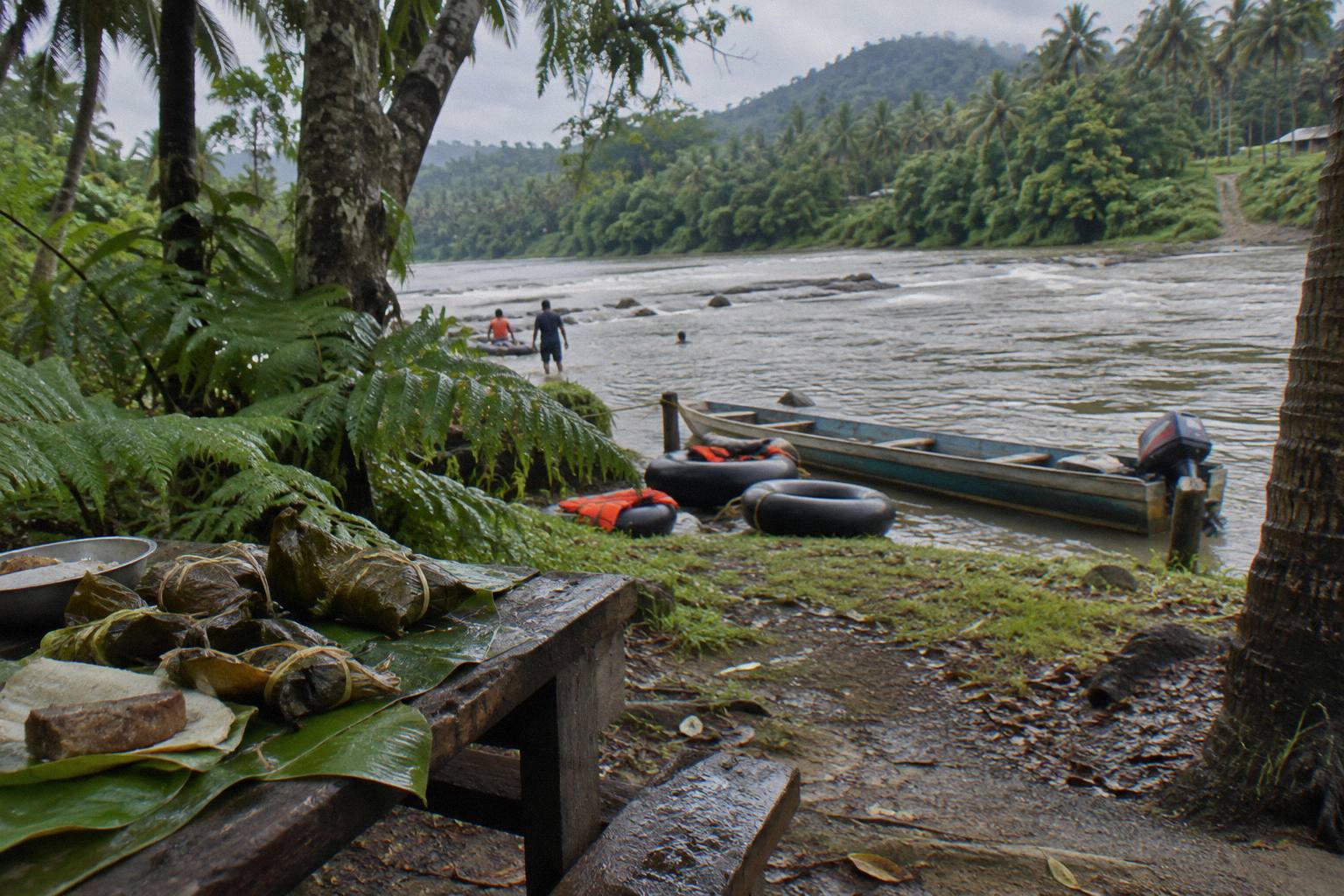
Travellers report that guides sing cultural songs during the tube float, which tells you something about the pace: this is a drift, not a battle. If your mental image of tubing is white-knuckle rapids dumping you under, the Navua version is gentler than that, though the operator does not grade the rapids and no official source names a grade for the tubing route. For a fuller picture of the whole day, the Navua River tour itinerary guide breaks the schedule down stop by stop.
Which Parts Of The Tubing Day Actually Get You Wet?
Two parts get you properly wet: the waterfall swim, where you are in a freshwater pool by choice, and the tube float, where you sit in an inflatable ring on the river wearing a life vest. The longboat ride upriver may add spray, the walk to the river usually means wet feet, and the village visit and riverside lunch are dry.
“Amazing experience! River tubing is a must-do tour in Fiji! The boys were great, very friendly and helpful, and we really enjoyed every moment. Such a fun and memorable adventure. Highly recommended!”
Start with the waterfall, because it is the most voluntary wetness of the day. The operator places it about 12 km upriver from Navua, with the village a further 5 km beyond, and the itinerary lists a swim there, not a view from a boat. The waterfall is never named on any official page, and no name appears anywhere else either, but it is described as swimmable, with the pool referenced as freshwater. How long you stay in is your call; how wet you get is entirely up to you, up to and including completely.
The tube float is different, because there you are on moving water for an extended period. The operator's phrase for the rapids on the tubing section is "gentle", and every guest wears a life vest, which the Safety First page states as a rule rather than an option. Sitting in a tube means your lower half is in the water by design, and a life vest means your upper half stays above it. What the river adds on top, a splash over the tube, a wave across your lap, depends on the level on the day, and the operator reassesses the route if conditions change.
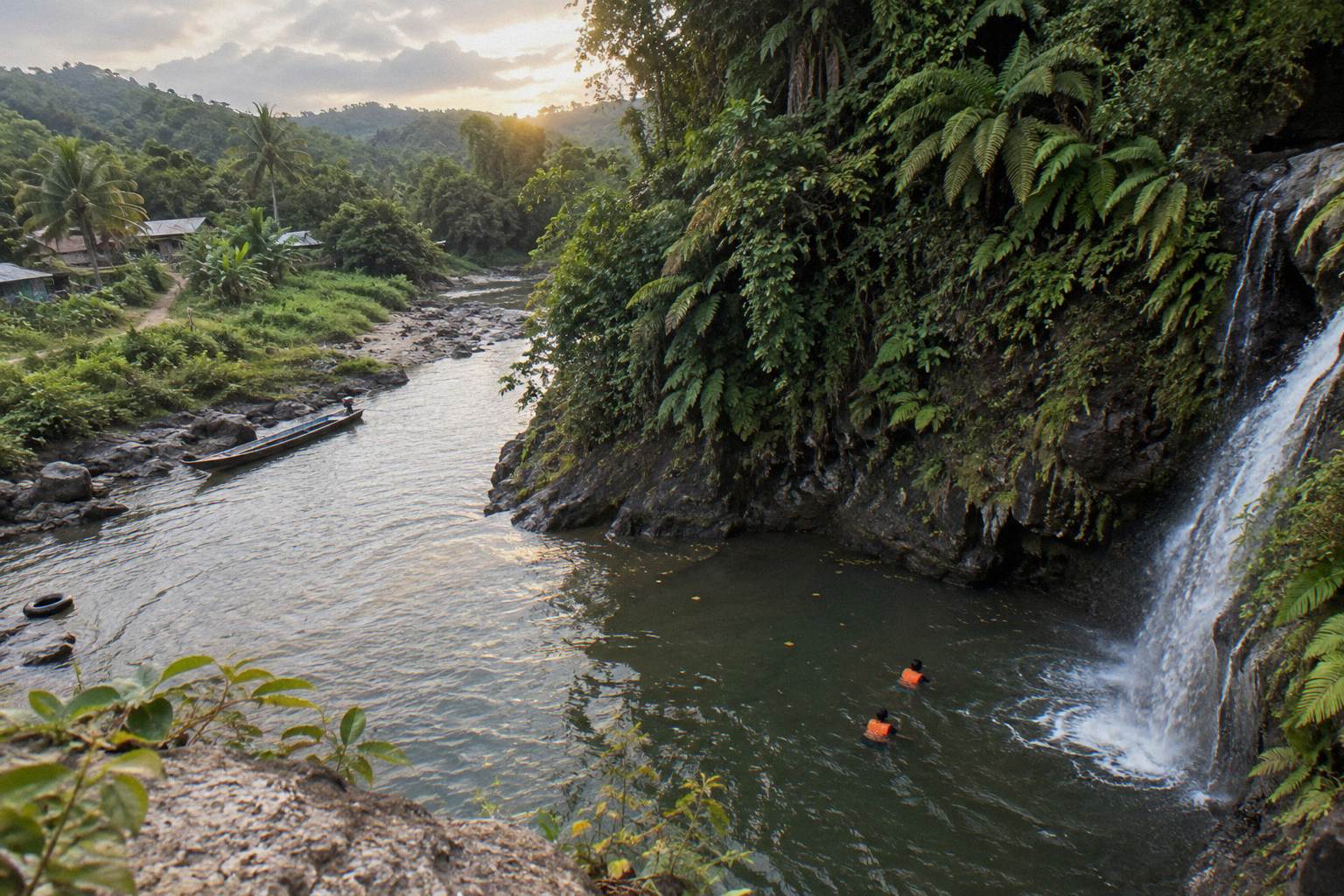
Between those two, the covered longboat ride sits somewhere in the middle. It is a boat ride, not a swim, but boats on rivers move, and rivers move back. Then comes the practical middle ground most first-timers forget: getting in and out of the river. Wet feet, wet legs up to the knee, a damp seat on the ride home. The operator's packing list, which we will get to in full below, asks for towels and a change of clothes, which is the operator telling you, in the politest possible way, that dry clothes at the end of the day are your problem to bring.
Descriptions do not invent sensations. No source states the water temperature, the spray pattern of the longboat, or how soaked an average guest is at the finish. What the sources do state is the structure: swim, float, vest, towel. That is enough to plan around. For more on the whole question from the nervous-swimmer angle, see whether non-swimmers can go river tubing.
“Traveled with older teenagers and we all had a great time. The waterfalls were beautiful and the food was delicious with plenty of helpings for my teenage son. It was a bit cold that day but still a really fun time. We were in Nadi so the drive was far (3 hrs each way) but our driver was great and stopped for a break half way through. The guides were very friendly and engaging as well.”
What Should You Pack To Stay Comfortable?
Pack for a wet morning and a dry afternoon: bring sunscreen, a hat, a towel, a change of clothes, drinking water, rain gear, and a sarong or skirt for women for the village visit, plus, in the operator's words, "a great attitude." The booking page adds comfortable shoes or water shoes, and since the terms page makes none of this sound optional, treat it as your real packing brief.
The full list comes straight from the operator's terms and conditions, which is the most official packing guidance that exists for this trip: the operator's terms page. The home page adds bottled water to that, and the main booking page adds comfortable shoes or water shoes, which makes sense for a day that includes river banks, a village path and getting in and out of a boat.
| Item | On whose list | Why it matters on this trip |
|---|---|---|
| Towel | Operator terms | Waterfall swim plus tube float; you will want it before lunch |
| Change of clothes | Operator terms | Dry ride home after the float |
| Sarong or skirt (women) | Operator terms | Required wear for the village visit; keep it dry |
| Sunscreen and hat | Operator terms | Sun exposure on the river and at the waterfall pool |
| Rain gear | Operator terms | Weather can change; the trip runs in rain unless unsafe |
| Drinking water / bottled water | Terms and home page | A full day out, most of it outdoors |
| Comfortable shoes or water shoes | Booking page | Wet banks, boat boarding, village walking |
Notice what the list implies. Two items, the towel and the change of clothes, only make sense if wetness is guaranteed or near enough. One item, the sarong, only makes sense if part of the day is dry and culturally dress-coded. The packing list is really a map of the day's wet and dry zones, and it is worth reading the fuller river tubing packing guide if you are the sort of traveller who likes to know why each thing is on the list.
Rain gear deserves a word, because people assume rain cancels river trips. On this trip, rain is mostly a comfort question: you are going in the river anyway. The operator's terms allow the operator to cancel or amend a trip for river or weather conditions, and if they cancel for river conditions, the terms promise a full refund or a reschedule. Rain on its own is not a cancellation trigger that any official page names. The practical takeaway: pack the rain gear, expect to be wet either way, and check the day before if the forecast looks serious.
How Do You Keep Phones And Cameras Dry?
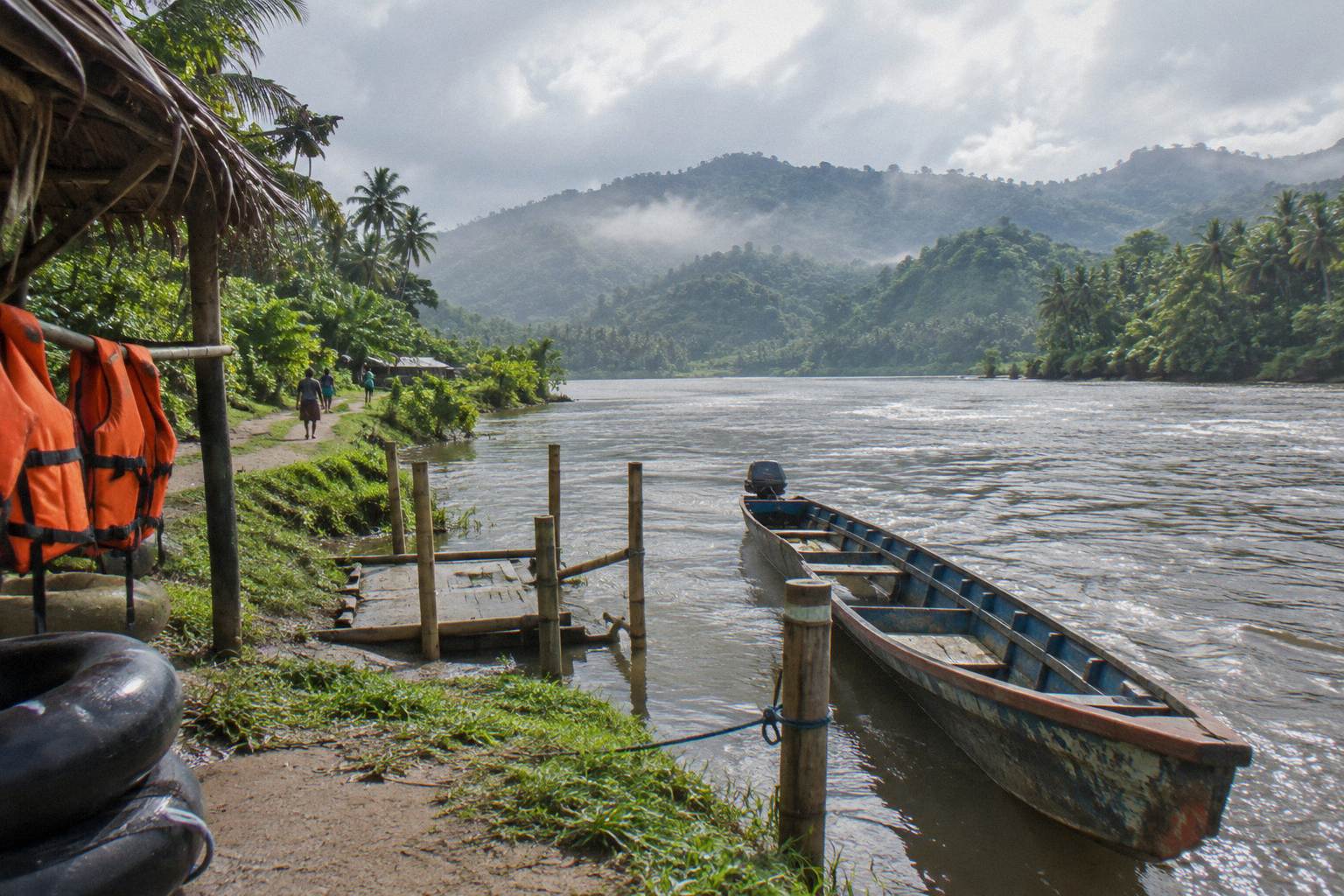
The operator sells a photo package, described on its gallery page as a "package of pictures", which exists precisely so your devices need not get wet. Beyond that, no official policy on phones, cameras, jewellery or similar items is stated anywhere: not stated; ask the operator. The safe assumption is that anything you take on the river goes at your own risk, because the operator's terms say it is not responsible for loss of belongings.
That photo package is worth pausing on, because it answers the question most people are really asking, which is not "will I get wet" but "will my phone die". The gallery page is where the operator presents its photo package, and the framing is direct: pictures are sold as a package, so your own device does not have to come on the water. For a tubing day where you are in a river by design, buying the photos is the simplest waterproofing there is.
“Excellent day trip. All the guides, drivers and tour leaders were very kind. The day was very well organized. Excellent commentary during the tour of the village and the garden. The setting is simply magnificent. Thank you!”
If you do bring your own device, nothing official tells you the rules. There is no stated policy on waterproof cases, no stated policy on GoPros on the tube, no stated locker arrangement for the village visit. The gap is real, and the answer is to ask the operator when booking; their contact details are public on their own site. What is stated, in the terms, is that the operator is not responsible for injuries or loss of belongings. Combine those two facts and you get the practical picture: bring what you like, but assume the risk is yours.
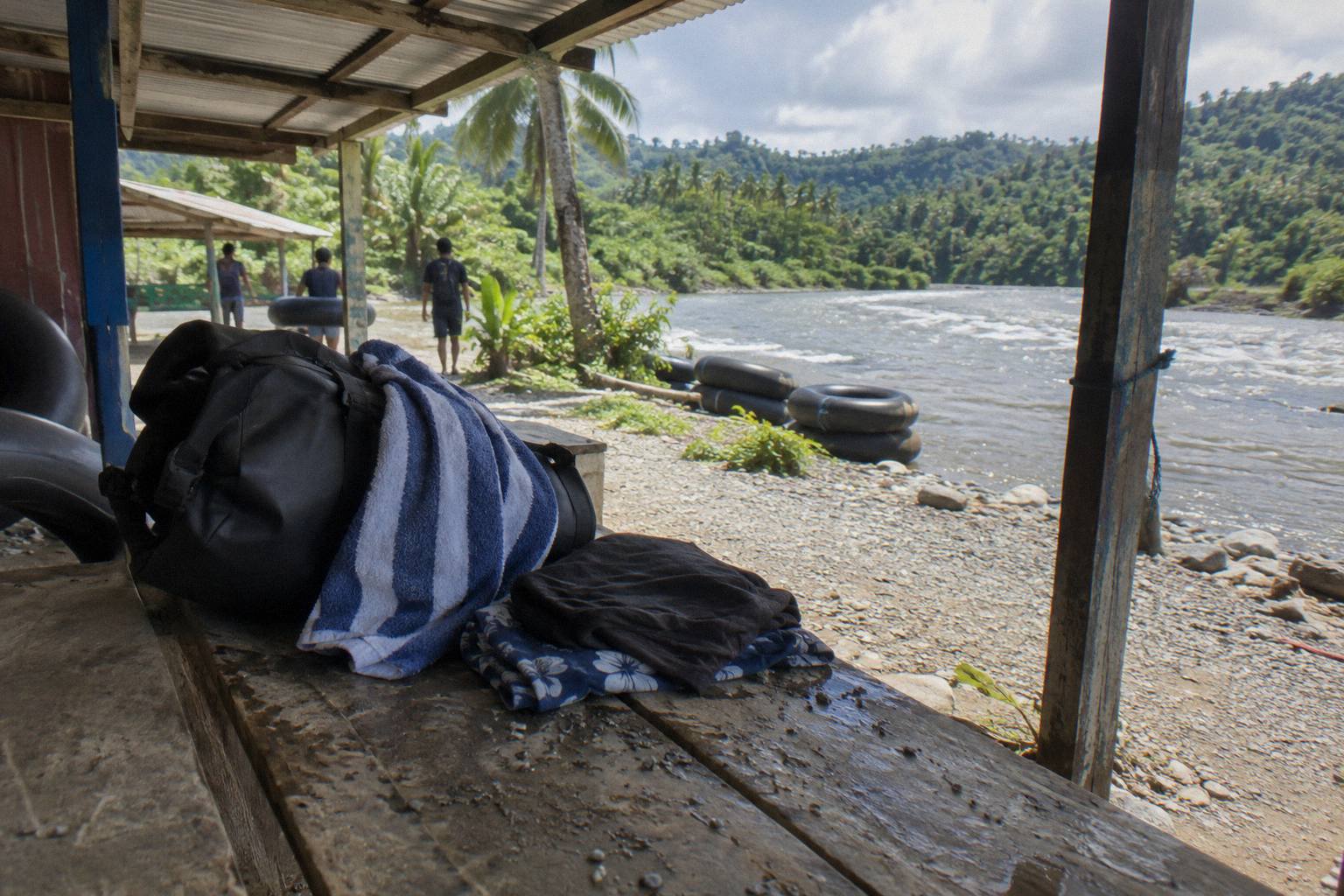
Travellers on tubing days everywhere make the same three choices here. Some leave everything on the bus or with the operator and buy the photos. Some bring a cheap waterproof pouch, which is not endorsed by any official page for this trip but is ordinary common sense. Some just accept the risk with a device they can afford to lose. If you want a deeper look at the options and the gaps, what to do with your phone or camera while tubing covers the same question at more length.
“Everything about this tour was amazing. From the food to the crews singing was an overall great experience, I highly recommend!”
Do You Need To Be Able To Swim?
No stated swimming requirement exists for River Tubing Fiji, so strong swimming skills are not an official condition of joining. However, all guests must wear a life vest, children must be accompanied by an adult, and one provider asks you to flag any weak swimmers when booking. Since no minimum standard, weight limit, or pregnancy rule is published, confirm your situation with the operator directly.
This matters for the getting-wet question because confidence in water changes how wet feels. The life vest rule is the operator's own Safety First wording: everyone tubes in a vest, every child has an adult with them. That is the whole of the official swimming-related safety picture. Anything more, a stated ability to swim, a stated distance you must be able to float, does not exist on any official page, and inventing one would be doing the operator's job badly.
“Great day out with heaps of fun. Guides were great and very humorous and sang some beautiful songs while we were tubing. Throughly recommend this activity. Waterfall swim and view was just superb. Thanks.”
The second operator on the river, the provider named on the Navua River Tubing Day Tour page as Bula Online Fiji Tours and Watersports, is more explicit. Its page says to tell the team at booking if anyone is a weak swimmer, and it also lists the trip as not suitable for children under 6 or people with mobility impairments. The main River Tubing Fiji page, for its part, lists the trip as not suitable for people with back problems or mobility impairments, and states no minimum age at all. Be careful here: the "5 to 15 half price, under 5 free" line on the operator's terms is a pricing rule, not a safety minimum, and no single minimum age applies across both trips.
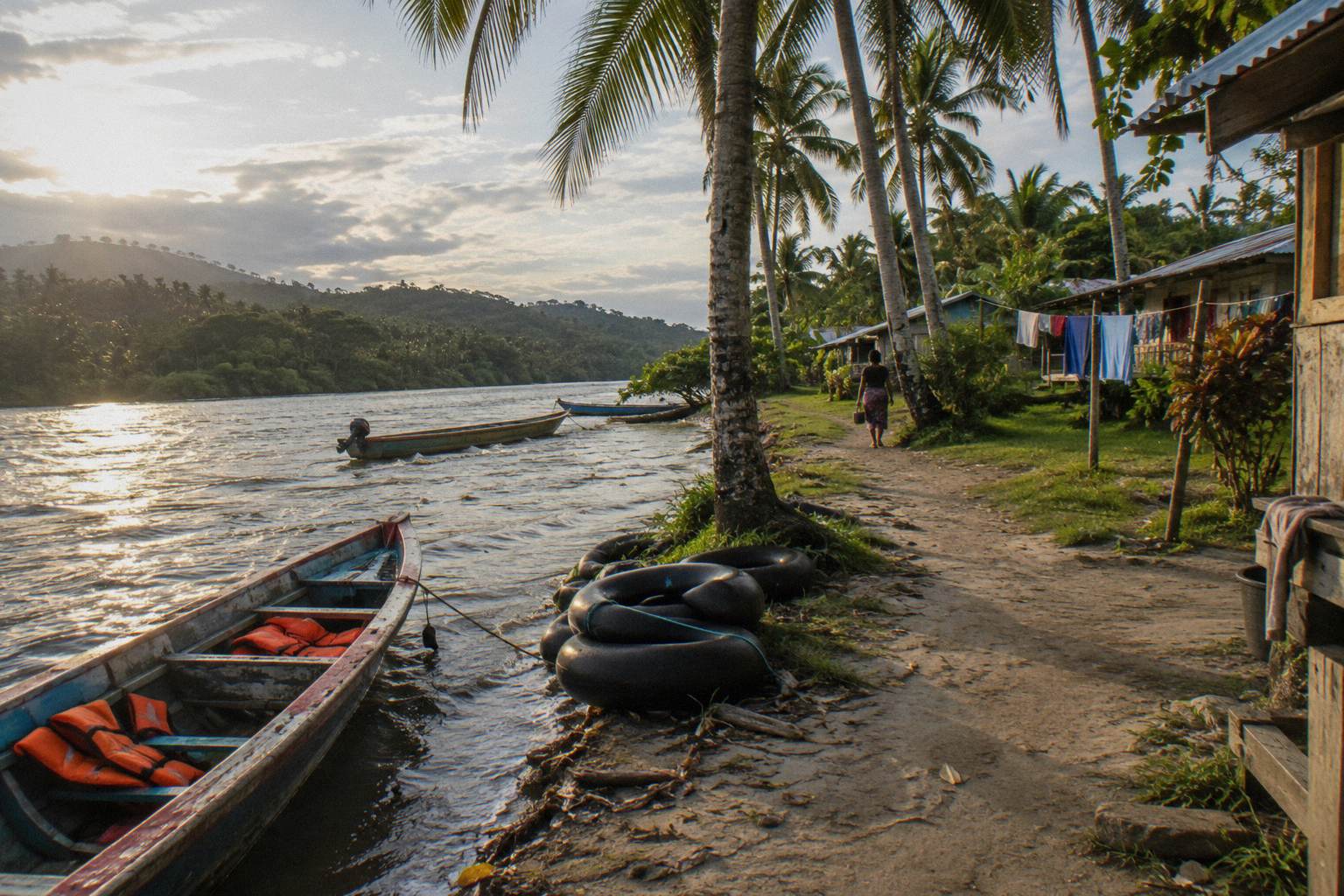
The two listings are close cousins but not identical documents, and the differences are exactly where families should look closely. Age rules, swimmer disclosure, pickup coverage and duration all differ slightly between them, and the right move before booking is to read both pages rather than rely on a summary. The price gap is small in the context of a full day: River Tubing Fiji is from USD 120 per person on its main booking page, rated 4.8 across 181 reviews there, and a second booking page for the same trip shows a 4.9 rating with no count printed. The Navua River Tubing Day Tour is from USD 101 per person, listed at 7 hours, and as a new activity it has no rating yet.
What Happens When The River Is Low Or It Rains?
When low water makes the extra upriver journey unsafe, the village visit is temporarily dropped from the itinerary, per a live notice on the operator's home page, and the route is reassessed on the day if rain restores safe conditions. If the operator itself cancels for river conditions, its terms promise a 100% refund or a reschedule. Rain alone does not cancel anything on any official page; wet is the default state of this trip.
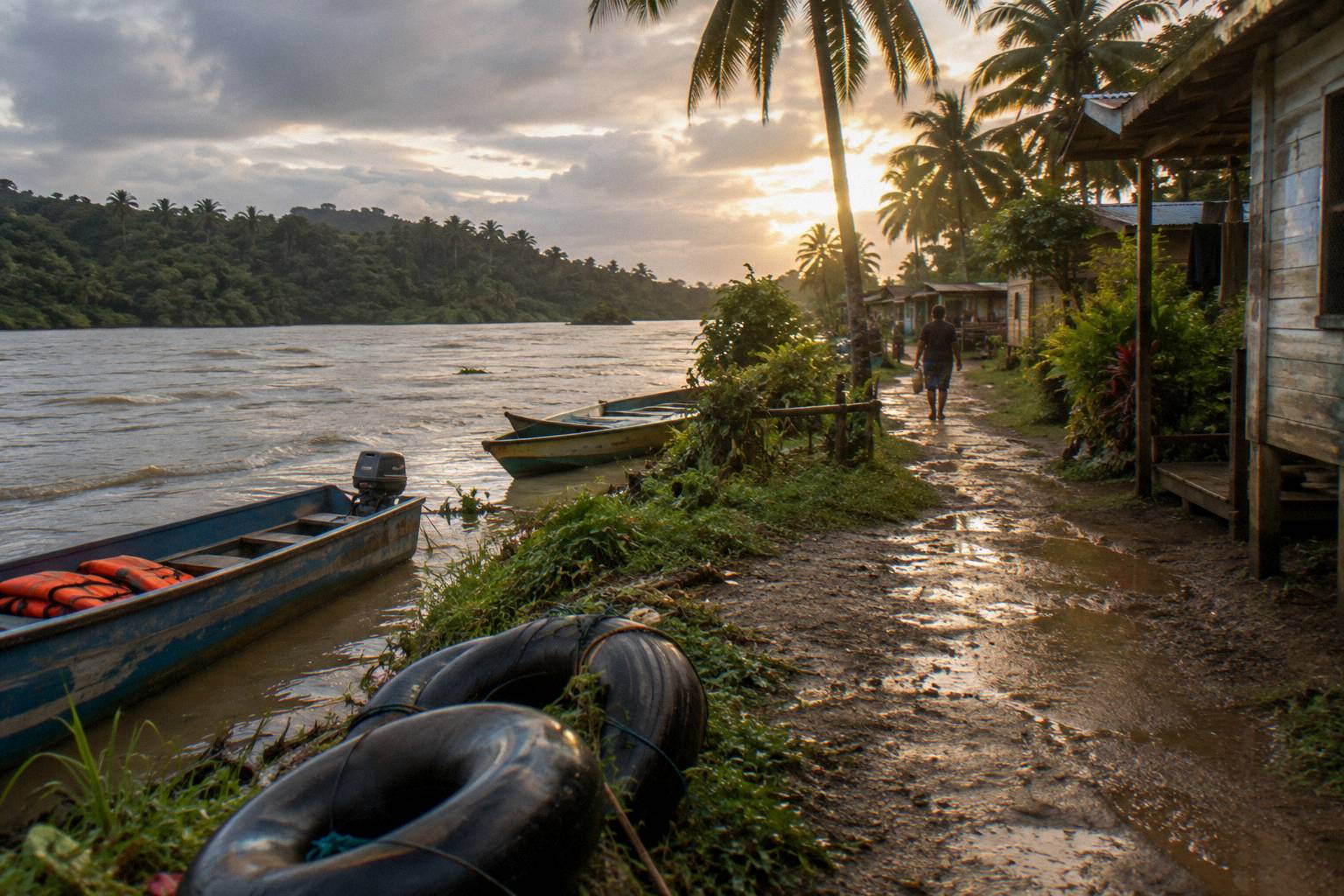
The dry-spell notice is the most under-discussed fact about this trip, and it connects directly to the getting-wet question, because low water changes the day twice over. Less water means the village leg, the further 5 km upriver, can be cut for safety. It also usually means a calmer float, with the "gentle rapids" at their gentlest. Rain does the opposite: it can restore the village visit and liven the rapids up. Neither version is cancelled water; both versions still include the waterfall swim and the float.
Cancellation policy is where the booking channel matters. The operator's own terms, for direct bookings, charge 100% if you cancel within 24 hours of departure, 50% between 24 and 48 hours, and nothing beyond 48 hours. The booking pages, by contrast, both show free cancellation up to 24 hours in advance. Those are two different channels' policies, and they stand as exactly that rather than blending into one rule. Note also that the operator's own direct prices are set in Australian dollars; the USD figures are the booking pages' own, per person, and they change by date and pickup point.
“Had the most amazing time. Peter our guide was the best, he told us so many stories about his village & he ensured we had the best time white water rafting. A must do when you visit Fiji, is absolutely beautiful & adventurous! Thanks Peter!! Morne and Dan!”
For planning around weather more generally, Fiji's wet, warm season runs November to April and the cooler, drier season May to October, though that is general climate, not an operator promise about any given day. The tubing trip runs year-round as far as any official page states, with river level, not calendar month, as the thing that actually reshapes the itinerary.
Is Tubing Wetter Than Rafting On The Same River?
Yes, tubing gets you wetter on the Navua: you sit low in the water in a ring, drifting through gentle rapids, while the Upper Navua rafting trip keeps you drier in a raft on a full-day paddle through the deep gorge. Tourism Fiji calls tubing "the gentler option," and the tubing route stays on the lower river, outside the protected upper gorge.
“This was a fantastic experience with a great guide and beautiful scenery. Highly recommend.”
The comparison is not really about which one splashes more, it is about where the water is allowed to be. In a tube, the water is under you and around you by design, and you are in it, at leisure, in a vest. In a raft, you are above the water in a boat, and the water arrives at speed when it arrives at all. Rafters who stay in the boat can finish drier than tubers; rafters who do not stay in the boat finish considerably wetter. The tour pages do not grade either experience in comparable terms, so the framing is the operator's own: "gentle rapids" for tubing, a full day for the rafting trip.
| River Tubing Fiji | Navua River Tubing Day Tour | Upper Navua Whitewater Rafting | |
|---|---|---|---|
| Price | From USD 120 pp | From USD 101 pp | From USD 212 pp |
| Duration | About 5 hours guided, most of a day with transfers | 7 hours | Full day |
| Rating | 4.8 from 181 reviews on the main booking page | New, no rating yet | No rating printed |
| Provider on page | River Tubing Fiji | Bula Online Fiji Tours and Watersports | Rivers Fiji |
| Wetness style | Seated in the river, drift pace | Seated in the river, longer day | Whitewater paddle in the upper gorge |
The geography behind that last row is the genuinely interesting part. The upper Navua gorge is a Ramsar-listed conservation site, 615 hectares designated in 2006, with a gorge roughly 75 metres deep and, in places, only 5 to 25 metres wide, information you can verify on the official Ramsar site record. The rafting operator Rivers Fiji describes it as Fiji's first officially designated Ramsar site, protected through a lease with nine mataqali, the local landholding groups. No official page says the tubing trip enters that gorge. The tubing route starts down at Navua on the lower river, reaching up to the waterfall about 12 km upriver, a completely different piece of water.
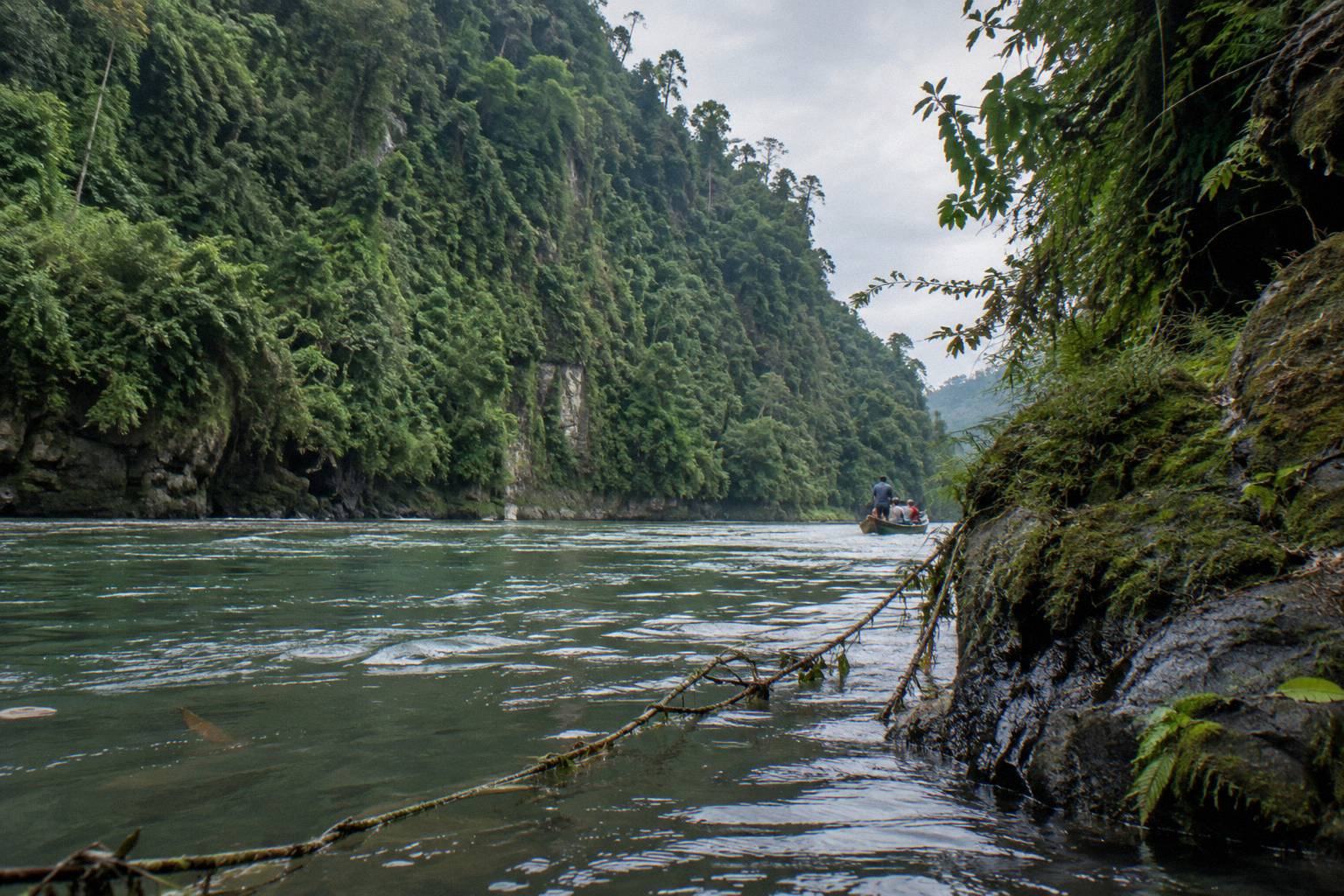
So if your question is really "how wet is too wet", the river itself hands you a menu. Tubing is the gentle, seated-in-the-water option. Rafting is the bigger, pricier, faster-water day. There is even a middle Navua kayak and jet boat scene, in Tourism Fiji's own framing of the area as Fiji's centre for adventure, within an hour's drive of Suva. Which wetness suits you is a preference question; which wetness each trip offers is a fact question, and the table above is the fact answer.
Common Questions About Getting Wet On A River Tubing Trip
Do You Get Wet When Tubing?
Yes. The Navua River tubing day includes a waterfall swim and a tube float downriver in a life vest, so you are in the water by design at least twice. The operator's own packing list asks for a towel and a change of clothes, which tells you the expectation plainly.
Do You Have To Swim At The Waterfall?
No official page states that the swim is compulsory, and none states a swimming standard for the trip. The stated rules are that all guests wear a life vest and all children are accompanied by an adult. How much you participate at the waterfall pool is not addressed officially; ask the operator if it matters to you.
Can Your Phone Go On The Tube?
No official policy covers phones or cameras. The operator sells a photo package so devices need not go on the water at all, and its terms state it is not responsible for loss of belongings. For anything beyond that, not stated; ask the operator.
Does Rain Cancel The Trip?
Not by itself, on any official page. The operator may cancel or amend for river or weather conditions, and its terms promise a 100% refund or reschedule if the operator cancels for river conditions. Low water can instead drop the village visit from the day.
How Wet Do You Get On The Tube Float?
You sit in an inflatable ring on the river wearing a life vest, so your lower half is in the water throughout. The rapids on the tubing section are described by the operator as gentle. No source grades them or measures how soaked an average rider gets, so plan for wet and be pleasantly surprised.
What Should You Wear On The Day?
The operator's list includes a towel, a change of clothes, water shoes or comfortable shoes, sun protection and rain gear, and a skirt or sarong for women for the village visit. Wet clothes for the water sections, dry ones held back for the village and the ride home, is the pattern that list implies.
One last framing thought before you book. Getting wet on this trip is not a side effect to be managed, it is the product being sold: a swim at an unnamed waterfall, a drift down a jungle river, and a story that starts with "we floated down the Navua". The operator behind the day is a locally owned family business based at Raiwaqa, five minutes up from Navua town, and its whole model, per its own about page, is built on the river. Pack the towel, keep the sarong dry, buy the photos, and let the river do its job. More of the practical detail, from pickup points to booking steps, is gathered at Pacific Harbour River Tubing.